
This post may contain affiliate links. I only recommend products I use and love. Read the full disclosure here
Updated on: April 2, 2026
Originally published on: April 2, 2026
Wood turning has always been a respected craft, but modern wood turning techniques are giving it a fresh, updated feel that works beautifully in today’s homes. Instead of feeling outdated or overly traditional, these techniques bring warmth, texture, and personality into a space without making it feel heavy. The result is a style that blends craftsmanship with modern design in a way that feels natural and easy to live with.
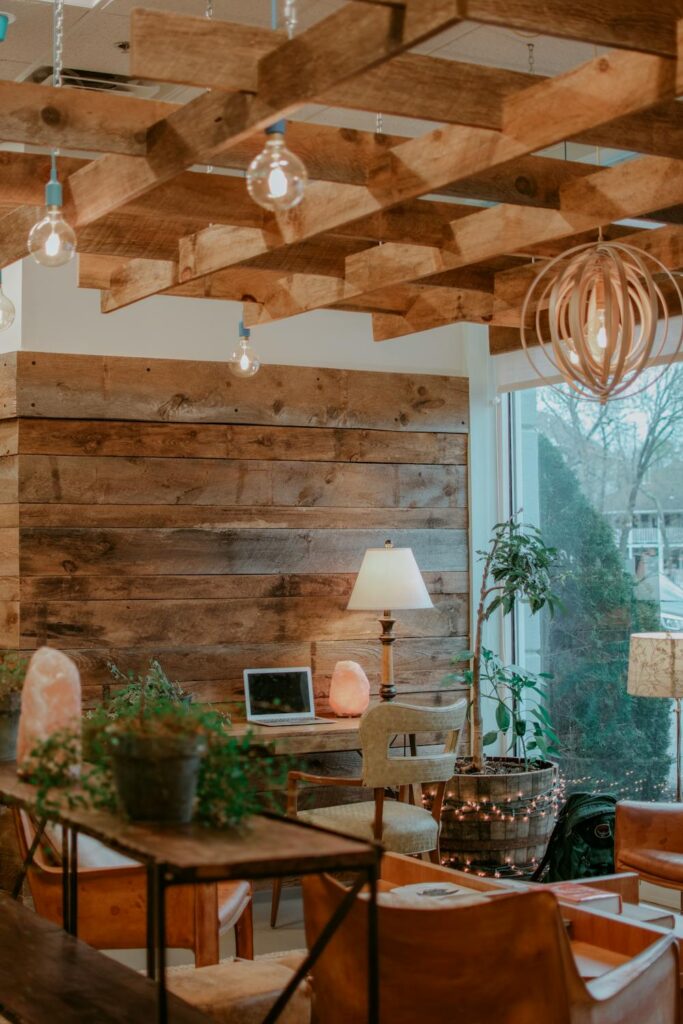
Today’s approach to wood turning focuses less on formality and more on creating spaces that feel comfortable and visually interesting. It’s not just about adding decor, but about choosing pieces that add depth and intention to a room. That balance is what makes this trend feel current without losing its timeless appeal.
If you want something that truly feels custom and well-thought-out, working with a custom woodworking company allows you to create pieces that fit your space perfectly. It gives you the freedom to go beyond what’s available in stores and design something that reflects your personal style. That level of detail is what takes a space from basic to beautifully finished.
These modern wood turning techniques go far beyond simple decorative updates. They highlight the natural beauty of wood while adding shape, movement, and structure that fit seamlessly into modern interiors. From subtle accents to statement features, wood is being used in ways that feel both elevated and approachable.
Curved Wooden Walls
Curved wooden walls are becoming a defining feature in modern interiors because they instantly soften the overall look of a space. Instead of sharp lines and rigid angles, they introduce smooth, flowing shapes that feel calm and inviting. This shift alone can completely change the atmosphere of a room.
They also offer practical benefits that make them even more appealing. Curved wood panels help diffuse sound, which can make a space feel quieter and more comfortable without requiring additional materials. It’s a subtle detail, but one that makes a noticeable difference.
These walls can be used in a variety of ways, including full statement walls, room dividers, or even custom headboards. With advancements in tools and craftsmanship, they are more accessible than ever before. Pairing curved wood with materials like glass or stone adds contrast while still maintaining a cohesive and natural look.
Twisted Wood Furniture
Twisted wood furniture brings a sense of movement into a space that you just don’t get with standard, straight-lined designs. Instead of feeling static, these pieces introduce curves and flow that naturally draw attention without feeling overdone. It’s one of those details that makes people look twice without always realizing why.
This style works especially well because it balances artistic design with everyday function. Chairs, tables, and lighting pieces can all feature subtle or more dramatic twists, giving them a sculptural quality while still being fully usable. The end result feels intentional and elevated rather than purely decorative.
Artisans often experiment with different wood species to achieve a variety of tones, grains, and finishes. As the wood twists, it interacts with light in unique ways, highlighting natural patterns and creating depth that flat surfaces simply can’t replicate. This makes each piece feel more dynamic and visually interesting throughout the day.
This approach has also led to more mixed-material designs, where twisted wood is paired with elements like glass, steel, or resin. These combinations add contrast and help the pieces fit seamlessly into both modern and eclectic interiors. The blend of materials keeps the look fresh while still grounded in natural texture.
Even smaller accents, such as candle holders or lamp bases, can bring this concept into a space without requiring a full furniture change. These details add just enough visual interest to make a room feel more styled and complete. It’s a simple way to introduce sculptural design without overwhelming the overall aesthetic.
Wood Drenching
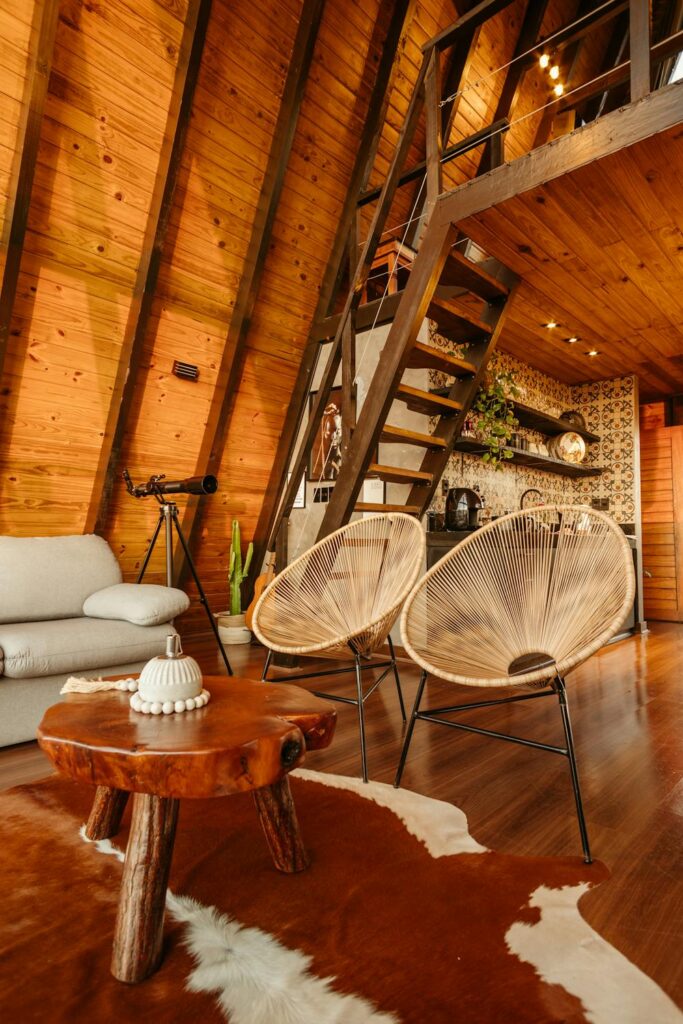
The wood drenching trend has expanded into wood design, creating spaces that feel cohesive and thoughtfully styled. Wood drenching involves using the same tone across floors, walls, ceilings, and built-in features. The result is a seamless look that feels both bold and comfortable.
Although it may seem like a strong design choice, it actually creates a calming and unified environment when done correctly. The natural variation in grain and texture keeps the space from feeling flat or repetitive. This layered look adds depth without needing multiple colors.
Designers are also incorporating turned wood details into trim, edges, and built-ins to enhance dimension. These small details help break up large surfaces while maintaining consistency. When combined with the color-drenching trend, the overall effect feels warm, balanced, and modern.
Sustainable Wood Turning
Sustainability is becoming a key focus in modern design, and wood turning is evolving to meet that demand. Many artisans now use reclaimed or salvaged wood, giving new life to materials that would otherwise go to waste.
These materials often feature natural imperfections like knots and cracks, which are now seen as desirable design elements. They add authenticity and make each piece feel more personal and original. This shift towards the use of sustainable wood reflects a growing appreciation for natural beauty.
Finishing techniques are also becoming more environmentally conscious. Natural oils, waxes, and low-VOC finishes are commonly used to protect the wood while maintaining a safer impact. As awareness grows, more homeowners are choosing pieces that align with both style and sustainability.
Custom Wood Turnings
Custom wood turnings allow homeowners to create pieces that truly match their space and design preferences. Instead of choosing something that is close enough, you can have something made specifically for your needs. This level of customization creates a more cohesive and intentional look.
These pieces can include everything from structural elements like stair components to decorative features and furniture details. Each item is designed with purpose, ensuring it fits seamlessly into the overall space. This makes the final result feel polished rather than pieced together.
Custom work also tends to be more durable and long-lasting. Many of these pieces become lasting features within a home rather than temporary decor. With modern design tools, you can preview and refine your ideas before they are created, ensuring everything meets your expectations.
Incorporating Wood in Modern Interiors
Bringing wood turning into a modern space doesn’t mean you have to start from scratch or completely redesign your home. Small, intentional updates can make a big difference and help your space feel more layered and put together. The key is choosing where wood will have the most impact without overwhelming everything else.
There are several easy ways to incorporate these elements while keeping your space balanced and functional:
- Accent Walls: Adding wooden paneling or slats creates texture and gives the room a clear focal point without taking over the entire space.
- Furniture: Choosing pieces that highlight natural wood grain adds warmth while still keeping things practical and usable.
- Decorative Objects: Turned bowls, vases, and small sculptural pieces bring in detail without adding clutter.
- Ceiling Treatments: Wood beams or panels introduce architectural interest and help draw the eye upward, making the space feel more complete.
Mixing even a few of these elements can completely change how a room feels without requiring a full overhaul. When everything is chosen with intention, the space ends up feeling cohesive, comfortable, and naturally styled instead of overdone. It’s those small, thoughtful details that make a space feel finished.
Combining these ideas creates modern interiors that feel inviting, original, and built to last. Modern woodworking techniques, paired with the creativity of skilled artisans, keep wood turning relevant in today’s home design. It’s a simple way to bring in character while still keeping everything functional and balanced.
Finally, lighting and textiles play an important role in how wood elements come to life in a space. Strategic lighting highlights the grain and shape of turned wood, adding depth and dimension you might not notice otherwise. Pairing that with softer materials like linen, wool, or leather helps balance the look, creating a space that feels both comfortable and visually complete.