
This post may contain affiliate links. I only recommend products I use and love. Read the full disclosure here
Updated on: April 6, 2026
Originally published on: April 6, 2026
Getting the whole family moving with the best family-friendly exercises doesn’t have to be complicated or time-consuming. In fact, some of the easiest routines are the ones everyone actually sticks with. When movement becomes something you do together, it stops feeling like a chore and starts feeling like part of your day.
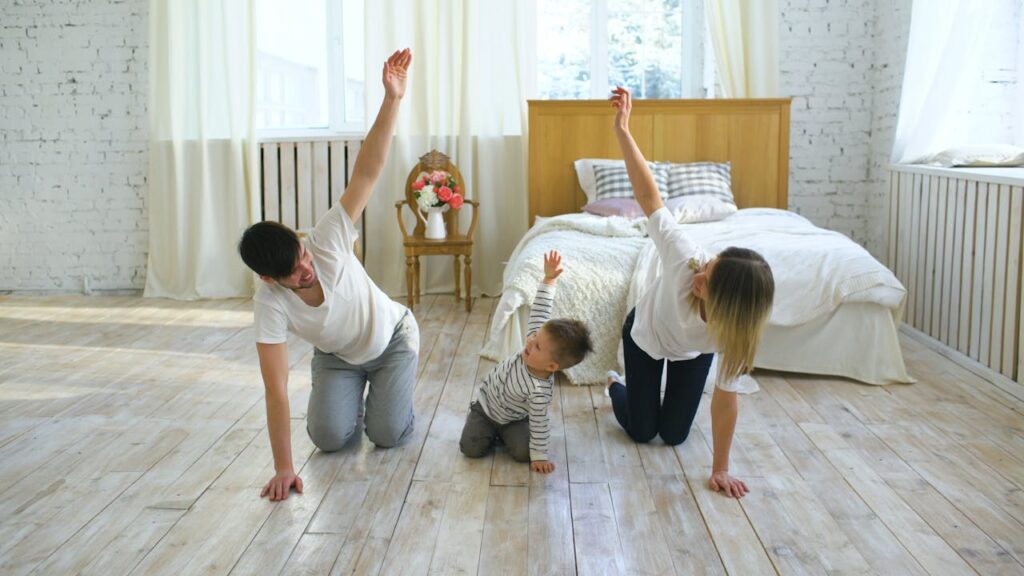
Kids benefit in all the obvious ways, like stronger bones, better coordination, and improved focus. But what really makes a difference is consistency, and that’s where family involvement comes in. When parents are active too, kids are far more likely to stay engaged and keep those habits going.
For adults, it’s just as important. Staying active alongside your kids makes it easier to stay accountable and build routines that actually last. Instead of trying to carve out separate workout time, you’re folding movement into something you’re already doing together.
At the end of the day, exercising as a family makes it easier to start and much harder to quit. And once it becomes part of your normal routine, it doesn’t feel like effort anymore; it just feels like something you do.
Many families want to be more active but feel uncertain about where to start or what structure will work. Finding activities that suit different ages and fitness levels is often the biggest obstacle a household faces from the beginning.
Practices like Core Medical & Wellness help patients find movement options that fit their current physical condition and personal health goals. With that kind of guidance in place, families can shape a routine that genuinely works for everyone involved.
Why Exercising Together Works for the Whole Household
The CDC recommends that children aged 6 to 17 get at least 60 minutes of moderate activity every day. Adults need around 150 minutes of moderate to vigorous exercise each week to maintain their basic cardiovascular health.
When families work toward both goals together, meeting them becomes a shared responsibility rather than a separate task for each person. That shift in framing makes the commitment far easier to sustain over weeks and months.
Research shows that children are much more likely to stay active when their parents take part in physical activity alongside them. A shared routine, whether a weekend hike or an evening walk through the neighborhood, creates natural accountability for everyone involved.
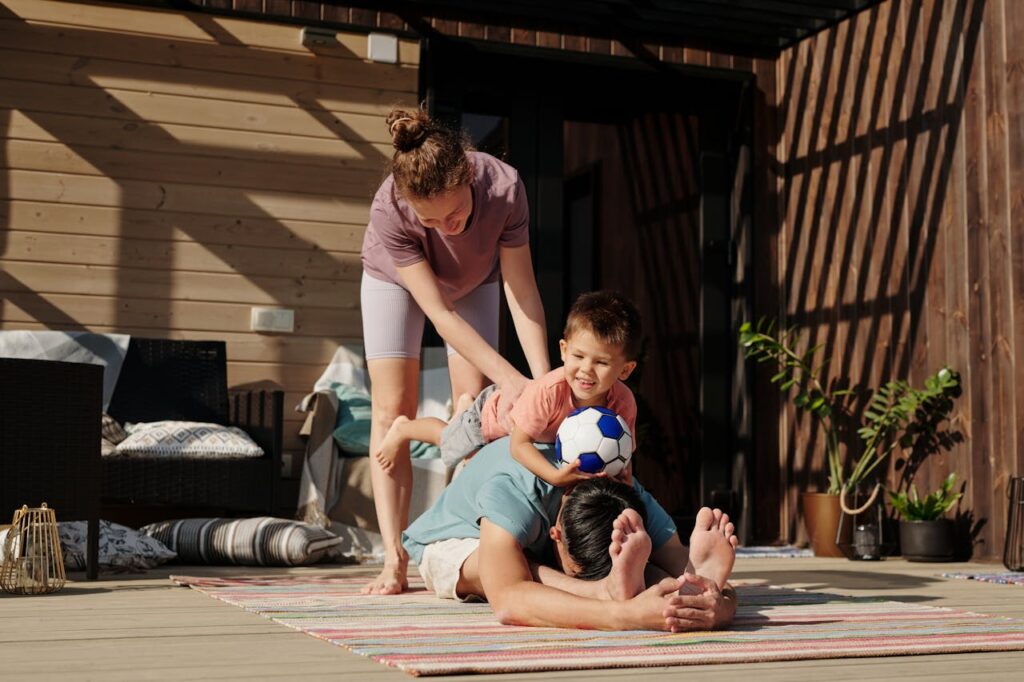
Kids build a healthier relationship with movement when it feels like a normal household habit rather than a chore assigned to them alone. That attitude tends to carry naturally into the teenage years and often shapes habits that last well beyond childhood.
Group exercise also creates genuine quality time that most other evening activities simply cannot replicate for a busy family. Conversations flow more freely on a walk or bike path than they usually do at the dinner table after a long day.
Teens who resist formal workouts often join in more willingly when the activity is casual and involves the whole family together. Lower pressure consistently leads to higher participation, especially among younger or less confident members of the group.
Activities That Fit Every Fitness Level
Not every family member operates at the same fitness level, and activity choices should reflect that honestly from the start. Swimming is broadly inclusive because it challenges the full body while placing minimal stress on the joints and spine. It suits young children building coordination, adults managing old injuries, and older relatives with reduced range of motion, all at once. Few other activities cover that full range without needing separate modifications for different participants.
Walking is the most accessible starting point because it needs no equipment, no gym membership, and no advance planning. A 30-minute walk at a steady pace delivers real cardiovascular benefit while also supporting joint health for every age group. Families can keep it interesting by switching routes, sharing a podcast, or turning shorter outings into a scavenger hunt for younger children. Small changes to the format prevent any single approach from feeling repetitive over time.
Yoga adapts well across different ages, making it a solid option for group sessions at home or in a local class. Many community centers offer family sessions with poses adjusted for both children and adults who are brand new to the practice. A short session using a free online video can ease tension and improve posture for adults who sit at a desk most of the day. Even younger children benefit from the balance and body awareness that basic yoga positions develop over time.
Games and Play That Deliver Real Exercise
The best way to get children moving is to make the activity feel more like play and less like a structured session. Classic games like tag, kickball, and relay races keep heart rates elevated without anyone tracking time or effort. Parents who join in rather than watch from the side often end up with a solid workout without planning for it at all. That shared participation is a large part of what makes these sessions worth repeating week after week.
Obstacle courses are easy to build using items most families already own, including hula hoops, jump ropes, and cones. They develop agility, balance, and coordination across multiple age groups without requiring specialized gear or a lengthy setup process. Tracking each participant’s time and letting them try to beat their own record gives kids a clear reason to return to the activity. When familiar games start to feel old, a rotating library of fun outdoor activity ideas for families can keep sessions feeling fresh throughout the year.
Team sports like soccer, basketball, or ultimate frisbee suit families with school-age children who enjoy a bit of friendly competition. These games build communication and coordination while delivering regular aerobic exercise with every session. Even an informal game in a local park builds real fitness and creates the kind of memories children tend to carry well into adulthood.
Building Strength and Flexibility Together
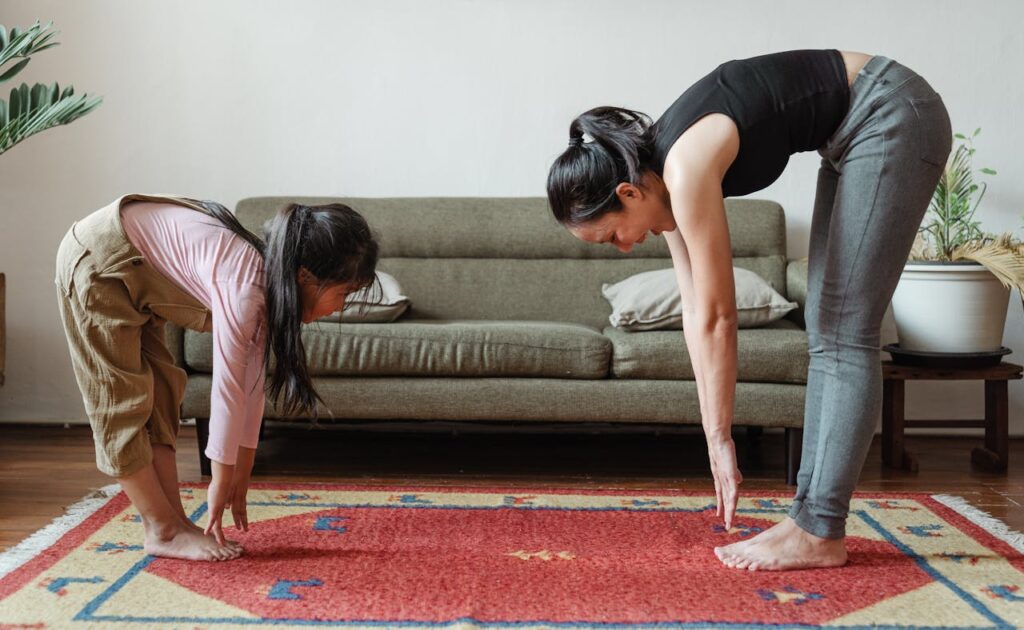
Teenagers and adults both benefit from adding resistance work and regular stretching to their weekly movement habits. Simple bodyweight exercises build functional strength without any gym access, extra equipment, or complicated planning required. A few reliable moves work well across different fitness levels and are easy for a group to practice at home together:
- Squats and lunges for lower body strength and joint stability
- Planks and push-ups for core and upper body conditioning
- Glute bridges for lower back support and hip strength
Running through these together, with each person working at their own level, keeps sessions accessible to participants of all abilities. That approach makes it straightforward to include family members who are just beginning to exercise on a regular basis. Finishing with a few minutes of light stretching keeps everyone from tightening up after the session.
For older adults in the household, balance work becomes an increasingly practical tool for staying mobile and independent as they age. The National Institute on Aging notes that regular physical activity helps older adults preserve strength, balance, and coordination over the years. Simple moves like heel-to-toe walking or standing on one foot can be done at home with no equipment at all. Practicing these alongside the rest of the family makes older relatives far less likely to skip them when exercising on their own.
How to Keep Your Family Moving
Starting with a modest commitment is far more effective than launching an ambitious plan that falls apart in the first few weeks. A goal of 20 to 30 minutes of movement three times per week gives everyone in the household a clear and manageable target. Once that baseline holds, adding a session or extending the duration becomes a natural next step rather than a forced push. Small, consistent gains build momentum in a way that large, ambitious goals rarely do for a mixed group.
Rotating activities prevents the routine from feeling stale, which is especially helpful for younger children who tire of the same format quickly. Mixing a weekend hike with midweek yoga and some backyard play covers cardio, strength, and flexibility in a way that feels natural and varied. After outdoor sessions, keeping a supply of quick and easy snack recipes on hand makes refueling feel like a natural and rewarding part of the whole routine. Over time, that variety helps everyone build a broad base of fitness without following any rigid plan.
Consistency delivers better results than intensity does, especially when the group spans different ages and ability levels. Physical activity works best when the family chooses and pursues it together rather than as separate tasks each individual manages alone. Once movement becomes a regular part of the household schedule, staying active stops feeling like a goal to chase and simply becomes part of how your family spends its time.