
This post may contain affiliate links. I only recommend products I use and love. Read the full disclosure here
Updated on: April 7, 2026
Originally published on: April 7, 2026
Learning how to play an instrument can feel exciting at first, especially when you imagine how rewarding it will be to play your favorite songs and hear real progress finally. In reality, learning to play an instrument takes consistency, patience, and a willingness to keep going even when progress feels slow or frustrating. Without discipline, results don’t come easily, and anyone who has started this journey knows that taking small, steady steps over time is what truly makes the biggest difference.
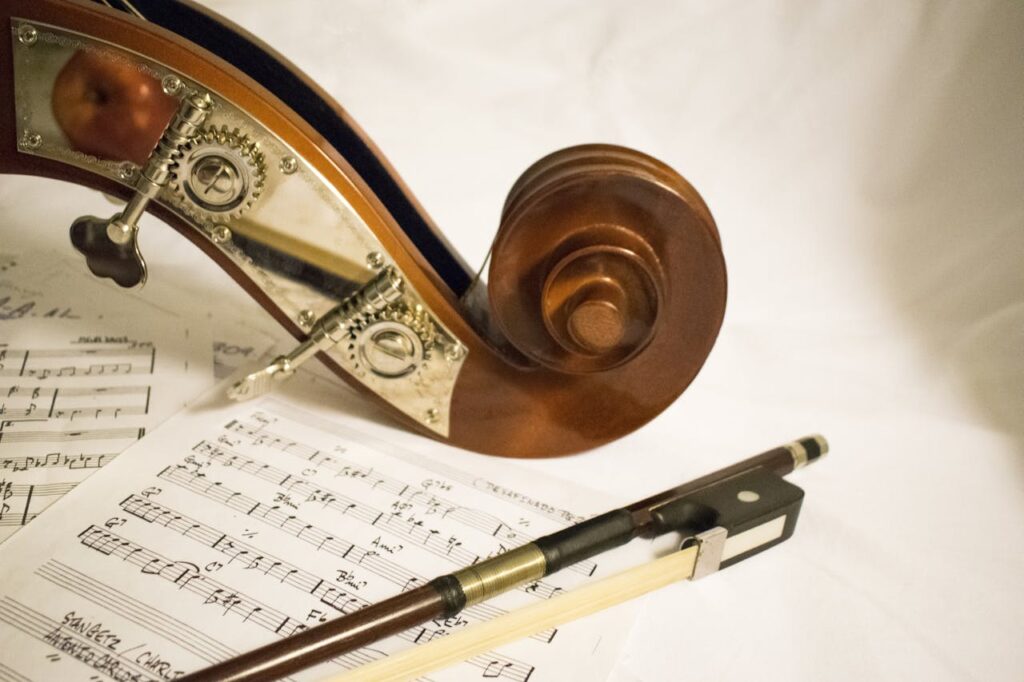
In the beginning, most people think that they can perfectly learn how to play an instrument in a short period of time, but this process requires slow progress, acceptance of mistakes, a strong will, and the absence of fear of failure and trying again.
Hidden Benefits of Learning an Instrument
- Increased creativity. You will learn how to express your feelings through music, discover new ideas, and explore previously unknown possibilities along the way.
- Enhanced concentration, which leads to more efficient information processing and a significant boost in cognitive abilities.
- Improved hearing is one of the hidden benefits of learning to play an instrument. According to studies by the Society for Neuroscience, musicians have better hearing compared to people who do not play any instrument.
- You will learn how to be more patient and perseverant.
- Learning to play an instrument can lower the risk of depression and reduce your stress levels.
- Better posture and controlled breathing.
The Progress Doesn’t Have To Be Perfect
One of the most common mistakes that beginners make is expecting the process to be perfect. But the secret to successful instrument learning is not in perfection but in consistency and repetition. Most beginners decide to start with the basic, familiar, and simple tones by using helpful materials like printable holiday music sheets that are easy to follow and remember.
By being consistent in practicing these simple tones every day, you are not only going to successfully learn how to play, but you will also maintain existing neural connections and create new synapses at the same time. This leads to increased sensitivity, improved cognitive abilities, and the ability to understand complex relationships.
Breaking Down the Progress Into Smaller Tasks
Learning an instrument is a complex skill that requires breaking down into smaller tasks in order to achieve visible results. It is scientifically proven that this kind of method gives better results in any kind of learning process, as our brain processes information more effectively in such a way.
Beginners usually start with practicing one accord, one short melody, or rhythmic pattern. Such an approach allows beginners to focus on one small step instead of the whole process, resulting in more focused and faster learning without the feeling of unnecessary pressure. The moments of celebrating small wins are what motivate the learners to keep going with the learning process, despite the challenges and failures that they face along the way.
Short But Focused Learning Time
Consistent and focused practice of playing an instrument for at least half an hour a day can give much better results than long practice sessions where your focus shifts the whole time. Learning how to play an instrument is a skill that requires good physical coordination, as the musician needs to do multiple things at the same time.
In order for the learned information to stay in the long-term memory, short but focused learning time is way more efficient and much easier compared to practicing for a few hours once or twice a week. Even if a few minutes a day seems short to you, and it may look like you won’t achieve any progress, your brain will remember every small win that you make, even if you are not aware of it.
Bouncing Back From The Setbacks
When learning an instrument, it is normal to face setbacks. This is something that happens not only to beginners, but also even to professional musicians who have played a certain instrument for years. Challenges are an inevitable part of the learning process, but the most important part is to bring out the positive things from these setbacks, to adjust to them, and keep going.
This valuable lesson is extremely beneficial for everyone, but especially for children who have decided to learn how to play a certain instrument. Over time, bouncing back from setbacks creates a resilient attitude where individuals learn that it’s okay to make mistakes and that the most important thing is to never give up.
How to Efficiently Make Small Steps a Part Of Your Practice?
- Set short but realistic goals that you can easily follow.
- Repeat difficult parts and focus on them first.
- Play an instrument slowly and carefully listen to every note. Focus on the sound and the movement of your body.
- Practice for a few minutes daily, instead of practicing for a few hours.
- Track down your process by writing notes. This can help in strengthening your will and increasing motivation.
- Learn how to celebrate small wins, and be gentle with yourself when you make a mistake.

Do Not Compare Yourself With Others
Comparing your learning progress with others is one of the most common mistakes that beginners make. This often leads to loss of will, motivation, and frustration. Everyone starts to play an instrument for different reasons, and everyone has different goals and abilities. Focusing on someone else’s achievements instead of your own can lead to self-sabotage, a slowing down of the learning process, and finally giving up.
Understanding the fact that growth in music is highly individual will allow you to fully enjoy the whole journey and to entirely focus on developing your skills. Without such a mindset, success seems like something almost impossible to achieve.
Before you start this journey, it is necessary to understand that patience and discipline are more than essential. It requires a lot of hard work and effort. This is a kind of progress that does not happen overnight, but it is surely a process where you will not only develop a new skill but also gain various benefits that will leave an impact on your character.
With small steps, you can achieve success and create a new version of yourself that you will be grateful for in the future.