
This post may contain affiliate links. I only recommend products I use and love. Read the full disclosure here
Updated on: July 9, 2026
Originally published on: July 9, 2026
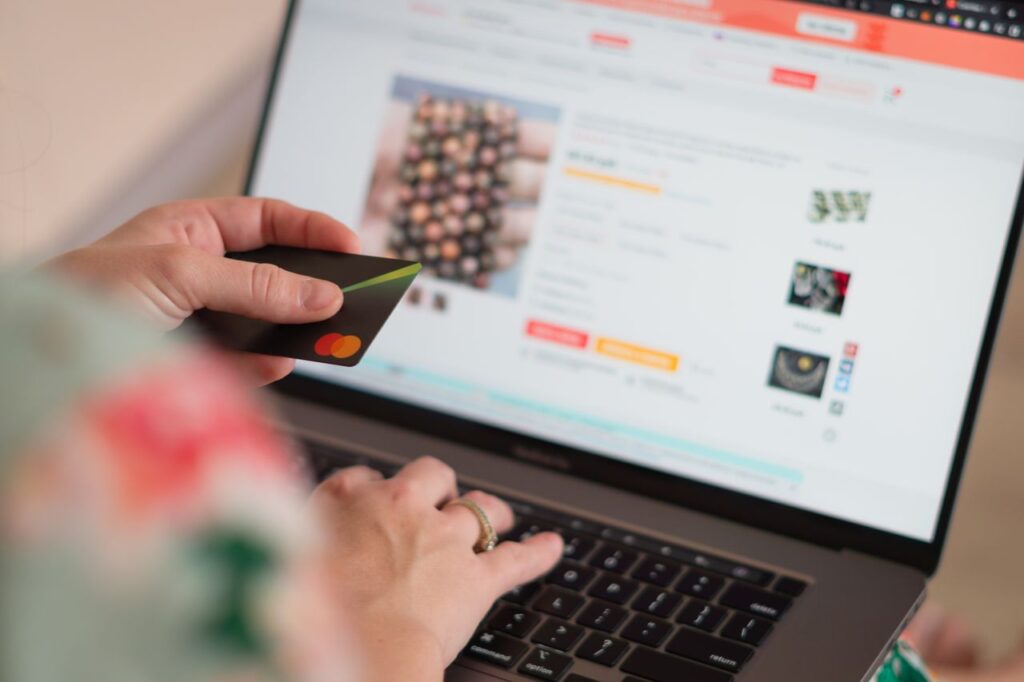
We’ve all been there. That rug looked so cozy on the screen, the sofa seemed the perfect size, the lamp had exactly the right vibe, and then the box arrived, and somehow it was smaller, or the color was off, or it just felt cheaper in person than it looked online. When you buy home products online, it can feel like a bit of a gamble. But a few quick checks before you hit “buy” can save you the hassle, the disappointment, and the annoying trip to the post office to send it all back.
Start with the photos, but don’t stop there
One pretty front-facing photo tells you almost nothing. Before you get attached, hunt around the listing for more.
Look for the item shown from the side and the back, not just its best angle. Look for close-ups that let you actually see the fabric weave, the wood grain, the finish on the legs, and the way a drawer or handle is made. A lifestyle shot, the piece sitting in a real room, helps you judge how big it truly is, which a plain white background always disguises.
Some stores now use richer visuals, including 360 images for ecommerce, so shoppers can rotate a product, inspect its shape, and get a better sense of what will arrive at their door. If a listing gives you one photo and a shrug, take that as a hint and be a little cautious.
Measure before you fall in love
This is the boring step everyone skips, and it’s the one that saves the most regret.
Before you order that bookshelf or dining table, grab a tape measure. Check the width, height, and depth against the actual spot it’s going. Measure the doorway and hallway it has to come through, too, because a gorgeous cabinet is no good if it won’t make it past the stairs. And hold the dimensions up against something you already own, “it’s about the same width as our current sofa, but a few inches deeper,” tells you far more than a number on its own ever will.
Use the interactive tools when they’re there
Plenty of retailers now let you do more than stare at a photo. Some have short product videos, spin-around views, or previews that show you the item from every side.
These are worth using whenever you spot them, because they answer the questions a still image can’t — how deep is it, how does the seat cushion look from the side, does the storage bench actually open like you think.
Interactive tools such as amazon 3d product view are part of a larger trend toward helping shoppers understand size, angles, and details before they click “buy.” A minute spent poking around one of these can spare you a return later.
Read the reviews for the real story
The product description is written to sell. The reviews are where you find out what actually turns up.
Skim past the five-star “love it!” ones and read the middling reviews closely; that’s where the useful clues hide. People will tell you if the assembly was a nightmare, if the gray was really more beige, if the fabric felt scratchy, if it arrived a week late, or crammed into a battered box.
Photos left by other buyers are gold, since they show the item in normal homes with normal lighting, not in a styled studio. It’s also worth reading reviews from multiple sources and looking for detailed feedback rather than relying on star ratings alone. If three different people mention the same problem, believe them.

Check the return policy and shipping before you commit
Here’s the part nobody reads until they wish they had. Sending back a big, heavy home item can cost real money.
Before you order, find the return window, and check whether you’ll pay for return shipping or if the store covers it. Taking a minute to review the retailer’s return policy before you buy can help you avoid unexpected fees and make returns much less stressful.
Look for restocking fees, and see if they insist on the original packaging, which is a problem if you’ve already flattened the box. Knowing all this upfront won’t change the product, but it tells you exactly how much you’re risking if it doesn’t work out.
Shop with confidence, not guesswork
None of this is about shopping slower for its own sake. It’s about buying with your eyes open, a good look at the photos and any spin-around views, a tape measure, a proper read of the reviews, and a glance at the return terms. Do those, and the thing that shows up at your door is far more likely to be the thing you pictured, minus the heavy trek back to the post office.