
This post may contain affiliate links. I only recommend products I use and love. Read the full disclosure here
Updated on: July 27, 2026
Originally published on: July 27, 2026
Your lawn doesn’t need to look like a golf course to stay healthy, but it does need water in the right places at the right time. Keeping your lawn watering routine on track starts with a sprinkler system that works properly.
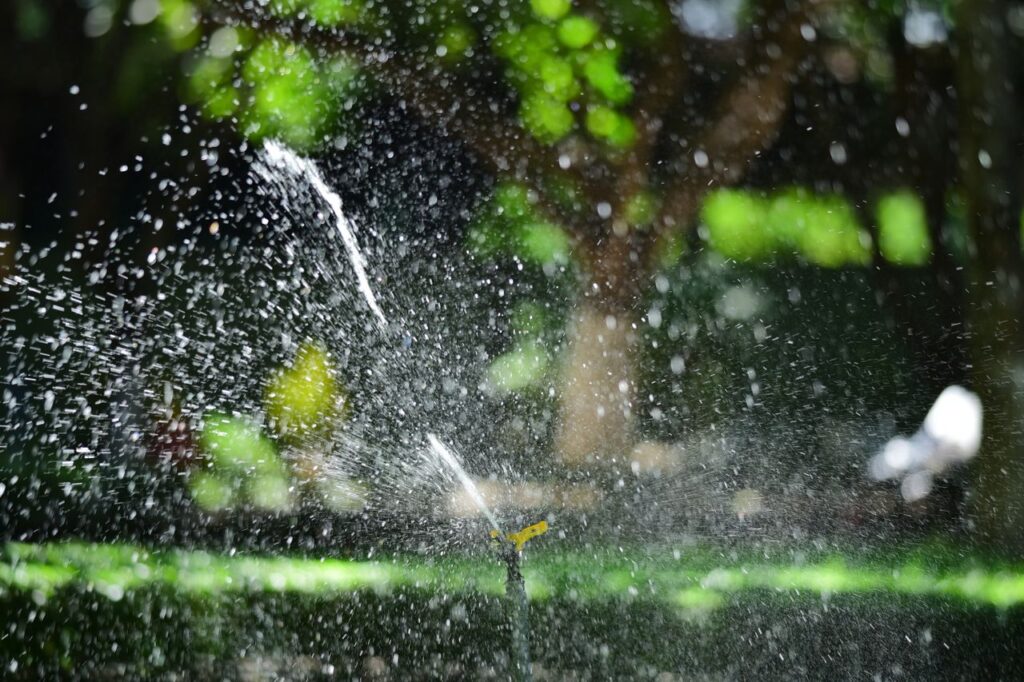
When a system is working well, you barely think about it. When it isn’t, your yard starts sending small distress signals long before anything dies: a patchy stretch of grass, puddles near the walkway, a water bill that climbed for no reason you can name. The good news is that most of those signals are easy to read once you know what you’re looking at.
Reading the Early Warning Signs
Most irrigation faults announce themselves quietly for weeks before the damage shows. You might notice one area turning brown while the rest of the yard stays green. Maybe a corner looks swampy, or water starts spraying the sidewalk like it’s trying to wash the neighborhood.
Those signs matter because small issues tend to grow. A clogged nozzle can turn into dead grass. A hidden leak can waste a lot of water before you even realize it’s there.
This is why sprinkler repair in Fort Myers is essential, as the heat and sandy soil in the area punish a weak system faster than most homeowners expect, turning a worn nozzle or a cracked pipe into dead grass within a couple of weeks.
A technician can trace the fault underground and settle it in an afternoon, well before the lawn starts paying for it.
Keep an eye on your water bill too. If it jumps and your household habits haven’t changed, your irrigation system could be sneaking extra water into the ground. Your lawn shouldn’t need a secret budget.
Check Your Watering Pattern
One of the easiest things you can do is watch your sprinkler system run through a full cycle. Yes, it’s not the most thrilling show on earth, but it tells you a lot. Walk around and see where the water lands.
Look for dry gaps between sprinkler sprays. If one section isn’t getting enough coverage, the grass there may thin out or fade. On the other hand, if the driveway is getting a daily shower, that’s wasted water and a sign the spray direction needs work.
Pay attention to flower beds too. A head meant for the lawn can soak delicate plants if it’s pointed wrong. You’re checking for balance here, not perfection.
A healthy watering pattern should look even and steady. It shouldn’t blast one area while ignoring another. If the yard looks like it’s getting random surprise attacks from the sprinkler heads, something likely needs adjusting.
Look at Sprinkler Heads
Weather does more than change how much water your lawn needs. It changes how quickly a small fault turns into a visible one. In warm places, long sunny days and sandy soil dry things out quickly. Water runs through sandy ground fast, which means weak coverage becomes obvious in a hurry.
Heavy rain can also fool you. After a storm, everything may look fine for a few days. Then the wet spots linger, and you realize one zone has poor drainage or a leak. Fast-growing grass can cover heads before you notice, especially during the wetter months.
Tree roots are another sneaky issue. They can shift pipes or affect how evenly water moves underground. You may not see the cause right away, but you’ll often notice the symptoms above ground first.
The point is simple: if your lawn changes suddenly with the season, don’t blame the weather alone. Sometimes the system is struggling, and the season is just exposing it.
Think About Seasonal Stress
Sprinkler systems don’t work in a bubble. Your yard changes with the weather, and that can make little problems show up faster. In warm places, long sunny days and sandy soil can dry things out quickly. Water runs through sandy ground fast, which means weak coverage becomes obvious in a hurry.
Heavy rain can also fool you. After a storm, everything may look fine for a few days. Then the wet spots linger, and you realize one zone has poor drainage or a leak. Fast-growing grass can cover heads before you notice, especially during the wetter months.
Tree roots are another sneaky issue. They can shift pipes or affect how evenly water moves underground. You may not see the cause right away, but you’ll often notice the symptoms above ground first.
The point is simple: if your lawn changes suddenly with the season, don’t blame the weather alone. Knowing more about watering your lawn properly can also help you adjust your irrigation schedule as temperatures and rainfall change throughout the year. Sometimes the system is struggling, and the season is just exposing it.
Where DIY Ends, and Real Repairs Begin
Not every irrigation problem needs a professional, and knowing the difference saves you money on both ends. A spray head may just need to be turned slightly away from the sidewalk. A bit of grass around a head might need trimming. Those are manageable tasks for many homeowners.
Bigger problems are different. If a zone won’t turn on, won’t turn off, or leaves standing water behind, that usually points to something more serious. Leaks underground, broken valves, damaged lines, or pressure problems are hard to diagnose by guesswork alone.
You should also call for help if the same issue keeps coming back. Replacing one head over and over isn’t really solving anything if the root cause is poor pressure or hidden pipe damage.
Think of it this way: if your sprinkler system is acting like a moody garden dragon, a quick poke with a shovel probably isn’t the answer. A proper repair can save water, protect your landscaping, and stop the slow creep of lawn damage.
Build a Simple Routine
Prevention here costs almost nothing, which is what makes skipping it expensive. The best time to check your system is before the lawn starts looking tired. You don’t need an intense schedule. A simple routine goes a long way.
Once a month during active watering season, run each zone and take a quick walk around the yard. Look for tilted heads, weak spray, puddles, and dry spots. Trim grass around heads if needed. Make sure water is landing on plants and lawn, not pavement and fences.
At the change of seasons, do a slightly closer check. Following water-saving strategies for home lawns can also help you adjust your irrigation schedule as weather conditions change.
Notice whether your watering times still make sense for the weather. If rain has picked up or temperatures have eased, your system may not need to run as often.
It also helps to act early. A five-minute check can catch a problem before it turns into dead grass, wasted water, or a repair bill that stings.
Your sprinkler system doesn’t need constant attention, just occasional common sense. A little effort now keeps your yard greener, your water use smarter, and your weekends free for better things than arguing with a soggy patch of grass.