
This post may contain affiliate links. I only recommend products I use and love. Read the full disclosure here
Updated on: August 10, 2026
Originally published on: August 6, 2026
If you live where hurricane season feels less like a date on the calendar and more like a yearly stress test, your home needs to do more than look good from the curb. Choosing storm-resistant windows and durable entry doors can help protect your home from high winds, flying debris, and heavy rain.

Strong winds, flying debris, and heavy rain can turn weak entry points into expensive problems fast. Doors and windows often take the first hit. If you’re planning upgrades for safety, comfort, and resale value, it helps to know what actually matters before you spend a dollar.
What Makes Storm Protection Different From Standard Upgrades
You can’t treat storm protection like a basic cosmetic remodel. A pretty front door won’t do much if it fails under pressure, and ordinary windows can become the weakest link in a storm. The difference comes down to engineering, installation quality, and code compliance.
Impact-rated products are built to handle wind pressure changes and debris strikes. That usually means reinforced frames, laminated glass, stronger hardware, and tighter seals. The goal isn’t only to prevent shattering. It’s also to keep the building envelope intact so pressure doesn’t build inside your home.
When you start comparing hurricane doors and windows, look beyond showroom style. Ask about design pressure ratings, impact resistance, water infiltration testing, and local code approval. Those details matter more than glossy brochures and buzzwords.
A practical tip: keep your paperwork. Product approvals, warranties, and installation records can help with insurance questions, future resale, and permit documentation. Not glamorous, but neither is paying twice for the same job.
How to Tell If Your Current Doors and Windows Need Attention
Some warning signs are obvious. Cracked frames, soft wood, broken seals, and doors that no longer latch correctly deserve immediate attention. Others are easier to miss, especially if your home still looks fine at a glance.
Start with a simple inspection:
- Check for drafts around frames
- Look for moisture between glass panes
- Test locks and latches for smooth operation
- Inspect caulking for gaps or deterioration
- Open and close each unit to see if it sticks or shifts
If your windows rattle during strong wind or your door has visible daylight around the edges, that’s not a charming old-house quirk. That’s an opening for air and water intrusion.
Age matters too. Older homes in storm-prone regions may have products installed before current impact standards became stricter. Even if they seem functional, they may not offer the protection your area now expects.
You should also consider your roofline, exposure, and nearby trees. A sheltered window on one side of the house may face less risk than a large glass opening near open yard space. Storm planning works best when you evaluate the whole structure, not just one squeaky door.
Why Installation Quality Can Make or Break Performance
You can buy a high-performing product and still end up with poor protection if the installation is sloppy. That’s the part many homeowners underestimate. Storm-rated doors and windows are systems, not plug-and-play décor pieces.
Proper anchoring, flashing, sealing, and fastening all affect how the unit performs under pressure. If the frame isn’t secured correctly, even impact glass may not save the day. Think of it as the home-improvement version of wearing expensive sneakers with untied laces.
A qualified installer should understand local wind-load requirements, inspection standards, and manufacturer specs. You want someone who measures carefully, checks the substrate condition, and installs for long-term performance rather than speed.
Proper installation and air sealing are essential for windows and doors to perform as intended over the long term.
Before hiring anyone, ask:
- Are they licensed and insured?
- Do they handle permits?
- Have they worked on homes like yours?
- What warranty covers labor versus materials?
- Can they explain the product ratings in plain English?
The best contractors won’t dodge detailed questions. They’ll welcome them. You’re not being difficult. You’re protecting your home from one of nature’s more aggressive mood swings.
The Real Payoff: Safety, Efficiency, and Daily Comfort
Storm protection has a dramatic purpose, but the benefits show up long before dark clouds roll in. Well-built doors and windows can improve your home every single day, which makes the investment easier to justify.
One major advantage is energy efficiency. Better seals and insulated glass help control indoor temperature, which can reduce strain on your HVAC system. In a hot, humid climate, that matters. So does less air leakage when utility bills are already trying to steal the spotlight.
Choosing energy-efficient windows and doors can improve comfort while helping reduce heating and cooling costs.
Well-sealed, energy-efficient windows and doors can help improve indoor comfort while lowering energy use throughout the year.
You may also notice:
- Reduced outside noise
- Better indoor comfort near windows and doors
- Improved security from stronger glass and hardware
- Less UV damage to flooring and furniture
- Stronger resale appeal in storm-prone markets
Buyers pay attention to protective upgrades, especially in coastal and hurricane-exposed regions. Features that once felt optional can influence both marketability and inspection conversations.
Insurance may be part of the equation too. Depending on your carrier and location, approved impact products could support premium discounts or credits. Always verify that directly with your insurer, since requirements vary.
Good storm protection earns its keep quietly. It doesn’t need applause. It just needs to hold up when conditions get ugly and keep performing when they don’t.
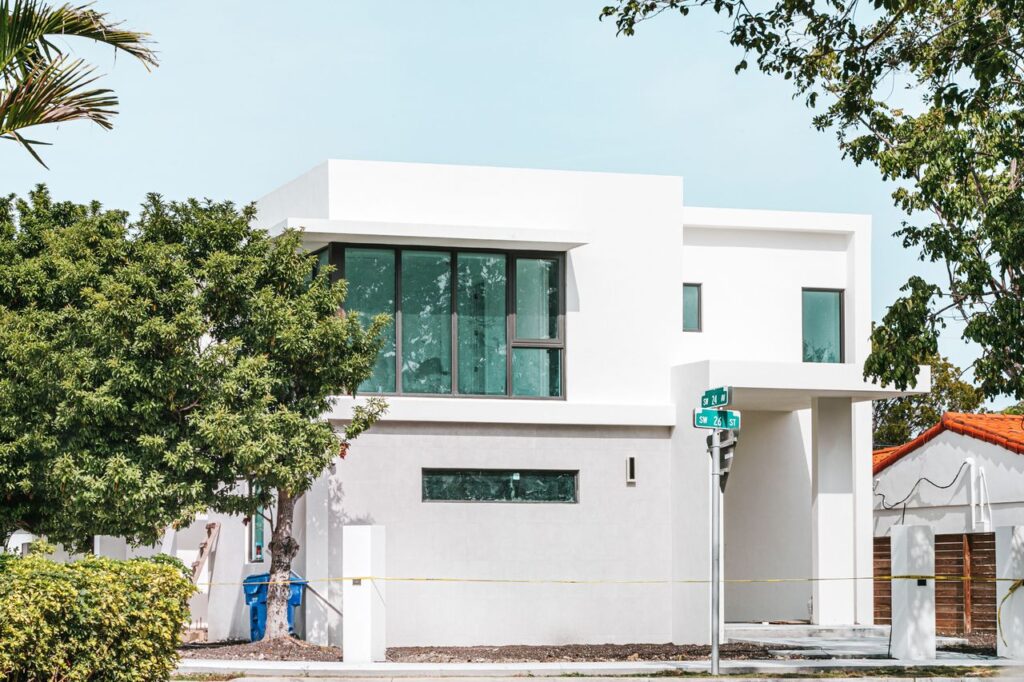
How to Choose the Right Upgrade for Your Home and Budget
You don’t need to replace everything at once to make meaningful progress. For many homeowners, the smartest path is a phased approach based on risk, budget, and the condition of existing openings.
Start with the most vulnerable areas. Large glass doors, front entries, and windows facing open exposure often deserve priority. If your home has older sliders or oversized panes, those can be important first moves.
When comparing options, focus on fit and function:
- Match ratings to your local storm requirements
- Choose frame materials suited to your climate
- Balance aesthetics with performance
- Review maintenance needs before buying
- Ask about timelines and lead times during storm season
Vinyl, aluminum, fiberglass, and wood-clad products each come with tradeoffs. Some offer lower maintenance. Some perform better in salty coastal air. Some fit a specific architectural style more naturally.
Don’t let a bargain-only mindset run the show. The cheapest quote can become expensive if corners are cut on product quality or installation. On the flip side, the most expensive package isn’t automatically the best fit. You want proven protection, clear documentation, and a contractor who treats the job like a structural upgrade rather than a decorative swap.
A strong home feels different. You notice it in the quiet, in the comfort, and in the peace of mind when the forecast starts getting everyone’s attention.