
This post may contain affiliate links. I only recommend products I use and love. Read the full disclosure here
Updated on: August 6, 2026
Originally published on: August 6, 2026
Few things are more frustrating than opening your dishwasher after a wash cycle only to be greeted by a foul sewage smell instead of clean, fresh dishes. If your dishwasher smells like sewage, the cause is often related to drainage or plumbing issues rather than the appliance itself. Since a dishwasher is designed to remove food residue and sanitize kitchenware, unpleasant odours often catch homeowners by surprise.
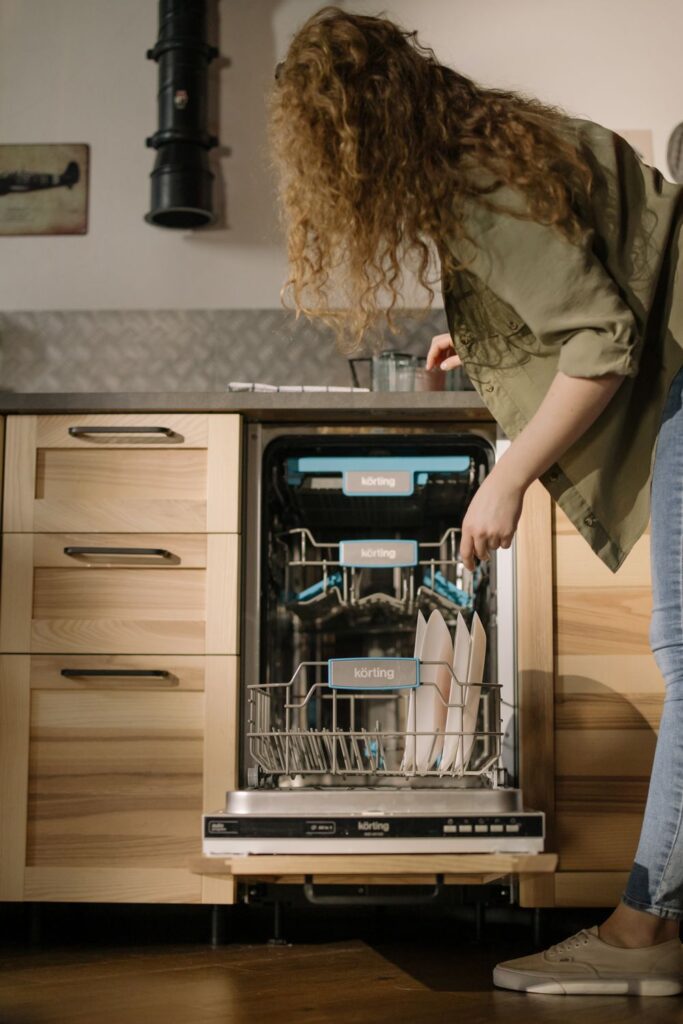
In many cases, the smell develops gradually. It may appear after several months of use, following a kitchen renovation, or after a plumbing issue elsewhere in the home. Ignoring the problem isn’t a good idea because unpleasant odours can indicate trapped food waste, poor drainage, sewer gases, or plumbing components that are no longer working properly.
The good news is that many of these issues can be identified with a little investigation. Understanding where the smell is coming from is the first step toward fixing it permanently.
Why Does a Dishwasher Smell Like Sewage?
A dishwasher doesn’t create sewage odours on its own. Instead, it simply becomes the place where unpleasant smells collect or escape. Water, food particles, grease, and bacteria all travel through the drain system, so any interruption in that process can allow odours to build up.
Sometimes the issue is inside the dishwasher itself. Other times, the appliance is simply revealing a much larger plumbing problem somewhere in the drainage system.
Let’s look at the most common causes.
1. Food Debris Trapped Inside the Filter
Modern dishwashers include a filter that catches food particles before they enter the drain. Over time, tiny pieces of pasta, rice, vegetables, grease, and other debris can collect inside the filter.
As these leftovers begin to decompose, they create an unpleasant smell that can easily resemble sewage.
Many homeowners don’t realize that dishwasher filters require routine cleaning. Even households that rinse dishes before loading them can experience buildup after months of regular use.
Signs this may be the problem include:
- The smell is strongest immediately after opening the dishwasher.
- Dirty water remains near the bottom after a cycle.
- Small food particles are visible inside the filter.
- The odour becomes worse after several wash cycles.
Fortunately, cleaning the filter is usually straightforward. After removing it according to the manufacturer’s instructions, rinse it thoroughly with warm water and gently scrub away any grease or food residue using a soft brush.
2. Standing Water at the Bottom of the Dishwasher
A dishwasher should drain almost completely after every cycle. If water remains pooled at the bottom, bacteria can multiply quickly, creating unpleasant odours.
Standing water is usually a symptom rather than the actual problem.
Possible reasons include:
- A partially clogged drain hose
- A blocked garbage disposal connection
- A clogged sink drain
- A faulty drain pump
- A blockage further down the drain line
Even a small amount of stagnant water can begin to smell after only a few days.
If the dishwasher consistently leaves water behind after every wash cycle, it’s worth investigating the drainage system before the problem becomes more serious.
3. A Dirty Drain Hose
The drain hose carries wastewater from the dishwasher to the household drainage system. Because warm water mixed with grease and food particles flows through this hose regularly, buildup can develop over time.
Grease coats the inside walls. Food sticks to the grease. Bacteria feed on the debris. Eventually, unpleasant smells begin travelling back into the dishwasher.
Unlike visible filters, the drain hose is hidden behind cabinets, making it easy to forget about until odours appear.
A partially blocked hose may also reduce drainage efficiency, allowing water to remain inside the dishwasher after every cycle.
4. Problems With the Garbage Disposal Connection
In many kitchens, the dishwasher drain is connected to the garbage disposal.
If food waste builds up inside the disposal chamber, those odours can travel backward through the dishwasher drain hose.
This often happens when:
- The garbage disposal hasn’t been cleaned in a long time.
- Food scraps remain trapped under the splash guard.
- Grease has accumulated inside the grinding chamber.
- The disposal wasn’t flushed thoroughly after use.
Running the garbage disposal with cold water before starting the dishwasher can often reduce this type of smell.
Regular cleaning also helps prevent food residue from becoming trapped inside the unit.
5. An Improperly Installed High Loop or Air Gap
Many homeowners have never heard of a dishwasher high loop or air gap, but these small plumbing components play an important role.
Their job is to prevent dirty wastewater from flowing backward into the dishwasher.
If the drain hose isn’t installed correctly, wastewater from the sink drain may flow back into the appliance instead of leaving the home.
When this happens, homeowners may notice:
- A sewage smell after every wash cycle.
- Dirty water appearing inside the dishwasher.
- Food particles left behind after dishes finish washing.
- Frequent drainage problems.
Improper installation is especially common after kitchen renovations or appliance replacements where the drain hose wasn’t secured correctly.
6. A Dry Drain Trap
Every plumbing fixture contains a drain trap filled with water.
This water acts as a seal that blocks sewer gases from entering the home.
Although dishwashers connect differently than sinks, nearby floor drains, utility sinks, or infrequently used plumbing fixtures can sometimes develop dry traps.
Once the water evaporates, sewer gases have a direct path into the room.
Homeowners often assume the dishwasher is producing the smell when it’s actually entering through another nearby drain.
Simply running water into rarely used drains every few weeks can often solve this problem.
7. A Clogged Kitchen Drain
Sometimes the dishwasher isn’t the source of the smell at all.
A partially clogged kitchen drain can trap grease, soap residue, coffee grounds, and food particles inside the pipe.
As bacteria break down the organic material, strong odours travel upward through connected plumbing fixtures, including the dishwasher.
Common warning signs include:
- Slow-draining kitchen sinks.
- Gurgling sounds after using water.
- Water backing up into the sink while the dishwasher drains.
- Persistent kitchen odours even when the dishwasher isn’t running.
Ignoring these symptoms can eventually lead to a complete blockage.
How to Prevent Dishwasher Odors
Fortunately, preventing unpleasant smells is usually much easier than dealing with a major plumbing repair.
Simple maintenance habits can keep both the appliance and the drainage system functioning properly.
Some helpful practices include:
- Clean the dishwasher filter regularly.
- Run hot water in the kitchen sink before starting a cycle.
- Avoid pouring grease down the drain.
- Flush the garbage disposal with cold water after use.
- Wipe the door gasket periodically.
- Use the dishwasher regularly instead of leaving water sitting inside for weeks.
- Check for slow drainage before it develops into a blockage.
.Cleaning the dishwasher regularly also helps maintain cleaning performance and reduces the buildup of food residue. Consistent maintenance not only reduces odors but can also help extend the lifespan of the dishwasher and improve cleaning performance
8. Blocked Plumbing Vent Pipes
Most homeowners know that drain pipes carry wastewater away from the home, but fewer realize that plumbing systems also rely on vent pipes.
These vents allow air into the drainage system, helping water flow smoothly while preventing sewer gases from being forced back through household fixtures.
When a vent pipe becomes blocked by leaves, bird nests, ice, or other debris, pressure inside the plumbing system can become unbalanced. Instead of escaping through the roof vent, sewer gases may find another route—including the dishwasher drain connection.
Some signs of a vent problem include:
- Gurgling sounds from sinks or drains.
- Slow drainage throughout the kitchen.
- Sewage odours that come and go.
- Multiple fixtures draining poorly at the same time.
Vent blockages are rarely visible from inside the home, making them difficult to diagnose without a proper inspection.
9. Sewer Line Problems
Sometimes, the dishwasher is simply revealing a much larger issue.
A partially blocked sewer line can cause wastewater to drain more slowly throughout the home. As water struggles to move through the system, sewer gases and unpleasant odours may begin escaping through connected fixtures.
Early warning signs often include:
- Frequent drain clogs.
- Several fixtures draining slowly.
- Gurgling toilets.
- Water backing up into sinks or tubs.
- Persistent sewage smells in different rooms.
Tree roots, grease buildup, collapsed pipes, and years of accumulated debris are all common causes of sewer line restrictions.
Addressing these issues early can prevent much more expensive repairs later.
10. Biofilm Buildup Inside the Dishwasher
Not every unpleasant smell is caused by a plumbing defect.
Over time, a thin layer of bacteria known as biofilm can develop inside the dishwasher. This film often forms around the spray arms, door gasket, detergent dispenser, and hidden corners where moisture remains after each cycle.
Biofilm feeds on grease, food residue, and minerals left behind by hard water.
Because it develops slowly, homeowners often don’t notice it until the odour becomes difficult to ignore.
Regular cleaning helps prevent bacteria from multiplying and keeps the dishwasher operating more efficiently.
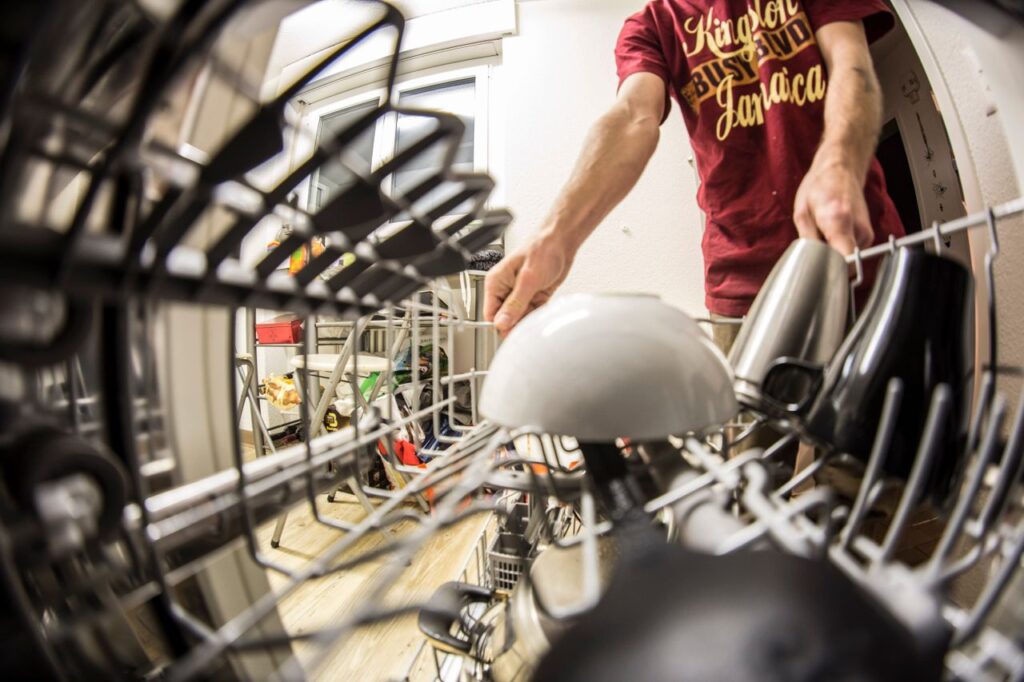
How to Troubleshoot the Problem Yourself
Before assuming the worst, there are several simple checks that may help identify the source of the smell.
Start with the easiest possibilities before moving on to more complex plumbing issues.
Clean the Filter
Remove the dishwasher filter and rinse away any trapped food or grease.
Even a heavily used dishwasher can often smell much better after a thorough cleaning.
Check for Standing Water
After a wash cycle finishes, inspect the bottom of the appliance.
If water remains inside, there may be a drainage restriction that needs attention.
Inspect the Drain Hose
If accessible, look for obvious kinks or bends that could restrict water flow.
A damaged hose may prevent wastewater from draining completely.
Clean the Garbage Disposal
If your dishwasher drains through the garbage disposal, clean the disposal thoroughly and flush it with plenty of cold water.
Old food residue inside the disposal is a surprisingly common source of unpleasant kitchen odours.
Run a Cleaning Cycle
An empty dishwasher cleaning cycle using a dishwasher-safe cleaner can remove grease, mineral deposits, and bacterial buildup that ordinary washing doesn’t eliminate.
Mistakes That Can Make the Problem Worse
When faced with a bad smell, many homeowners try quick fixes that only mask the problem instead of solving it.
Some common mistakes include:
Using Excessive Bleach
Bleach may temporarily reduce odours, but it doesn’t remove grease, blockages, or sewer gas problems.
In some appliances, bleach can even damage rubber seals and internal components.
Pouring Chemical Drain Cleaners Into the Dishwasher
Harsh drain cleaners are designed for pipes—not dishwashers.
These products may damage plastic components, rubber gaskets, and internal pump parts without addressing the underlying cause.
Ignoring Slow Drains
A slow-draining sink is often the first warning sign of a developing blockage.
Waiting until wastewater begins backing up usually results in a much larger repair.
Assuming the Appliance Needs Replacement
Many homeowners replace perfectly functional dishwashers when the real issue lies somewhere in the home’s plumbing system.
Proper diagnosis can often save both money and unnecessary appliance replacement.
When It’s Time to Call a Trained Plumber
If basic cleaning and maintenance don’t eliminate the smell, the problem may extend beyond the dishwasher itself.
Recurring sewage odours often indicate hidden drainage issues that require specialized equipment to diagnose properly.
In these situations, a trained plumber can inspect the drainage system, identify hidden blockages, check venting components, and determine whether the problem originates inside the appliance or elsewhere in the plumbing system.
Seeking professional help early can prevent small drainage issues from developing into costly repairs later.
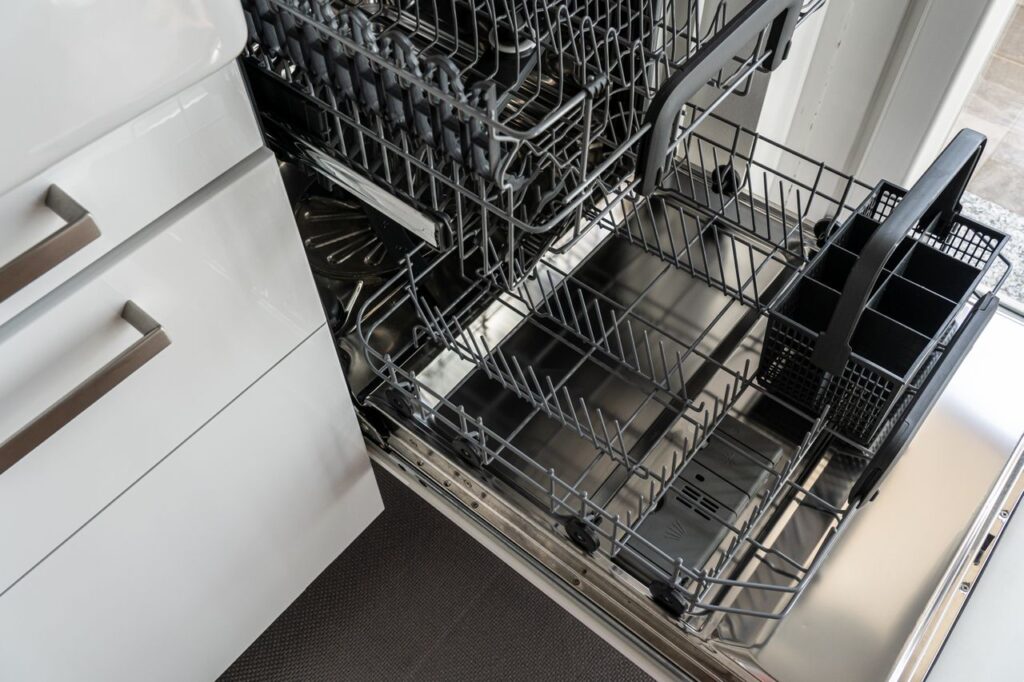
Long-Term Tips to Keep Your Dishwasher Smelling Fresh
Preventing unpleasant odors doesn’t require complicated maintenance. A few simple habits performed consistently can make a significant difference.
Consider following these practices:
- Remove large food scraps before loading dishes.
- Clean the dishwasher filter every few weeks.
- Wipe the door seal regularly.
- Run hot water at the kitchen sink before starting a wash cycle.
- Avoid pouring grease or cooking oils down the drain.
- Clean the garbage disposal routinely if one is connected.
- Use a dishwasher cleaner periodically to reduce grease and mineral buildup.
- Address slow-draining sinks before they become serious blockages.
Small maintenance tasks performed throughout the year help protect both the dishwasher and the home’s plumbing system. Dishwashers certified to sanitizing standards are designed to reduce bacteria when operated on the appropriate cycle.
Final Thoughts
A dishwasher that smells like sewage is rarely something that should be ignored. While the cause may be as simple as trapped food debris or a dirty filter, persistent odours can also point to blocked drains, plumbing vent problems, sewer line restrictions, or improper drainage connections.
The key is to identify the source instead of simply covering up the smell. Regular cleaning, proper maintenance, and prompt attention to drainage issues can help keep your kitchen smelling fresh while reducing the risk of more serious plumbing problems in the future.
By understanding the most common causes and acting early, homeowners can often resolve unpleasant odours before they become expensive repairs, ensuring their dishwasher continues to perform the way it was designed to.