
This post may contain affiliate links. I only recommend products I use and love. Read the full disclosure here
Updated on: September 3, 2026
Originally published on: September 2, 2026
As the morning sun casts a golden hue over Singapore’s high-rise estates, crisp school uniforms are slipped on, small water bottles are packed, and thousands of five- and six-year-olds set off to start their day at kindergarten in Singapore.
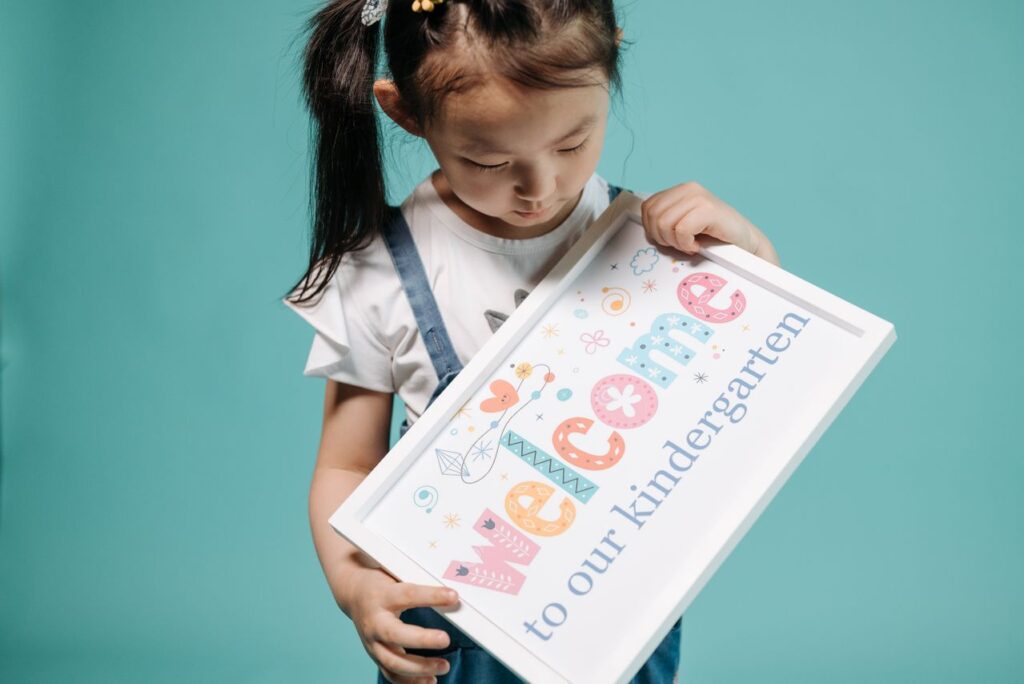
In a country celebrated for educational excellence, a typical program for kindergarten in Singapore balances high academic standards with holistic, inquiry-driven learning.
Whether operating under the Ministry of Education’s NEL (Nurturing Early Learners) framework or any of the international curricula followed by the country’s many private and international schools, modern early-years programs cultivate bilingualism, social confidence, and critical thinking.
Beyond foundational literacy and numeracy, a thoughtfully designed day helps young learners explore the world through structured play, specialist disciplines, and active discovery. The pace is typically purposeful but allows room for children to follow their curiosity.
Here is what a typical day might look like for a kindergarten student at an international school in Singapore.
Arrival and Settling In
The first few minutes of the school day set the emotional tone for everything that follows. Predictable arrival routines give young children a strong sense of security, helping them ease into the learning environment with confidence.
As children arrive, teachers help them settle into the classroom and prepare for the day ahead. Predictable routines give young learners a sense of security while helping them become increasingly independent. This gentle transition proves particularly valuable for young children navigating a new environment or adjusting to life after an international relocation.
Following arrival, the class gathers for a morning circle. Children greet their peers, identify their feelings using visual check-in charts, preview the daily schedule, and explore an opening question tied to their current inquiry topic. Beyond encouraging early oral language skills and active participation, this daily routine offers educators an immediate opportunity to gauge each child’s emotional readiness and provide individualized encouragement where needed.
Lessons through Inquiry and Direct Instruction
Rather than dividing the morning into isolated subject blocks, lessons typically connect concepts across disciplines through shared questions and real-world themes. For example, students might read The Three Little Pigs and learn about how different homes and bridges are built. They also learn how to measure and compare geometric shapes using wooden blocks, test which materials hold weight, and explain their ideas to classmates.
Direct instruction remains essential for foundational skills like phonics, early handwriting, and number relationships. However, inquiry grounds these skills in a meaningful context. Children learn not only how to read or count, but why observing, recording, and communicating matter. This approach maintains high academic engagement while respecting the natural attention spans of young children.
Language Learning Throughout the Day
Language acquisition thrives when integrated naturally throughout the day rather than restricted to standalone practice drills. Daily language routines can incorporate music, storytelling, movement, interactive visuals, and open dialogue. For children learning a second language, regular exposure through meaningful activities can provide opportunities to develop listening comprehension, speaking confidence, and familiarity with new vocabulary. These language experiences encourage children to approach new words and expressions with curiosity and resilience, while helping them become more comfortable communicating across languages.
Specialist Programs
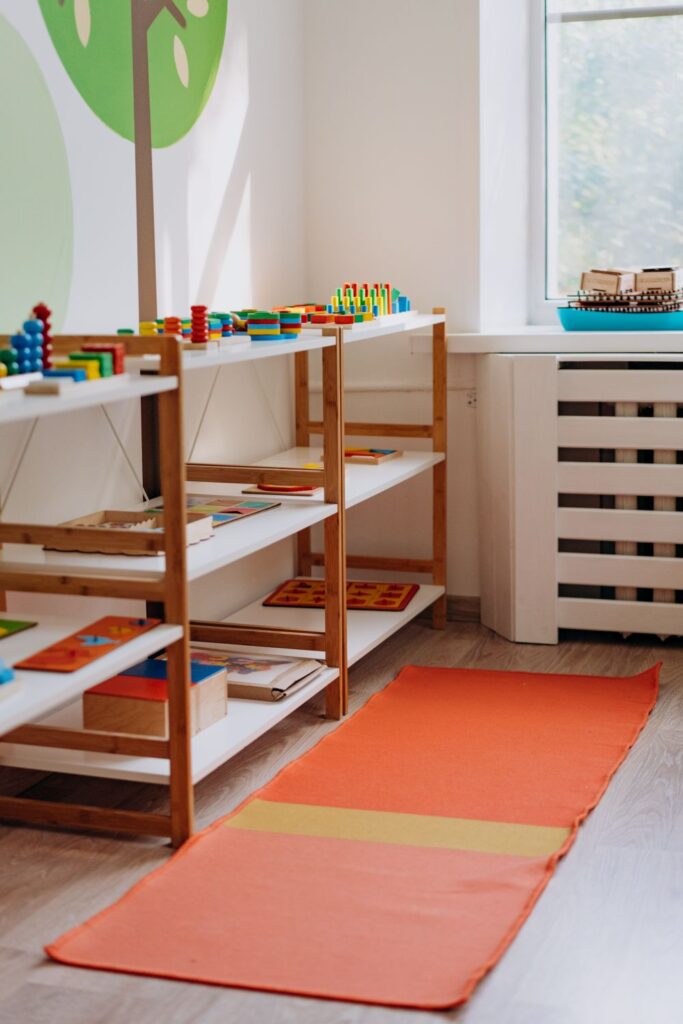
Dedicated specialist instruction offers young children dynamic avenues to develop physical coordination, cognitive flexibility, and creative self-expression. Comprehensive early-years timetables frequently include instruction in specialist fields, such as:
- Music programs, like violin instruction or rhythmic movement, which strengthen auditory discrimination, fine motor control, and focused attention.
- Physical education instruction fosters gross motor skills, spatial awareness, physical endurance, and water safety.
- Visual arts instruction teaches children to experiment with diverse mediums, explore color theory, and translate personal ideas into visual forms.
The true value of these specialist sessions surfaces in daily habits. A child learns to follow musical timing, wait safely at the pool deck, adjust a physical movement based on feedback, or articulate an artistic choice. These experiences reinforce classroom self-regulation while helping children discover lifelong interests.
Hands-on Innovation and Outdoor Discovery
Practical experimentation helps young minds transform abstract ideas into tangible understanding. Purpose-built early-learning environments feature dedicated makerspaces equipped with real tools, wood blocks, craft materials, and age-appropriate technology. Under careful supervision, a child might design a model bridge, observe how it bends under pressure, and collaborate with peers to reinforce the structure.
Meanwhile, outdoor environments extend this hands-on discovery beyond classroom walls. Specialized early-years facilities offer protected play structures, sensory gardens, splash pads, and flexible exploration zones. For instance, children measure plant growth, investigate physical forces through water play, negotiate game rules, and solve practical problems together, demonstrating that learning happens everywhere, not just at a desk.
Social-Emotional Learning
Essential social-emotional competencies, such as emotional regulation, empathy, and conflict resolution, develop through active daily interactions. For example, children practice sharing materials, collaborating on group tasks, dining together, and navigating minor peer disagreements.
Moreover, rather than stepping in immediately to resolve every challenge, educators guide children through structured problem-solving. One child learns to express their feelings verbally, another practices active listening, and together they agree on a fair resolution. Everyday routines like lunchtime and tidy-up time further cultivate personal responsibility, self-care habits, and respect for shared spaces.
Choose the Right Path for Your Child
A well-rounded kindergarten in Singapore provides young learners with far more than academic worksheets or seasonal crafts. It provides a nurturing space where children learn to ask thoughtful questions, navigate cultural differences, care for themselves, and contribute meaningfully to a community.
When choosing an early learning school, consider how the curriculum structure, specialist offerings, dedicated facilities, and teaching philosophy intersect. Those interconnected elements ensure that each school day builds the confidence, adaptability, and lifelong curiosity your child needs for a smooth transition into primary school and beyond.