
This post may contain affiliate links. I only recommend products I use and love. Read the full disclosure here
Updated on: June 9, 2026
Originally published on: June 9, 2026
Kids do not always know how to talk about their eyesight problems. Some may think blurred sight is normal, while other kids may just avoid books due to eye stress. This is why parents should watch for small signs at home. A fast vision check for children can help catch issues early and stop school or day-to-day stress later on. Here are four signs that may mean your child needs a vision check.
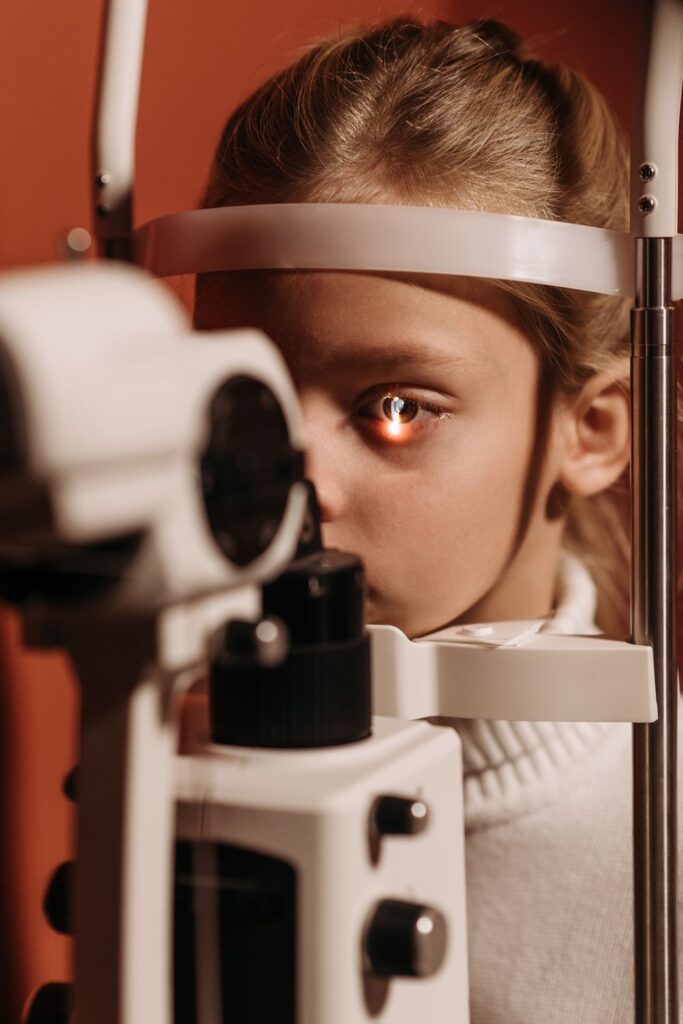
1. Headache or Eye Strain
If your child gets a headache after doing class work, screen use, or book time, eye stress may be the cause. Kids with weak eyesight often force their eyes to work harder just to stay in focus. Over time, this can lead to sore eyes, tired feeling, and headache. Some kids may stop reading or say they feel worn out after school.
Once you notice these signs, you must visit the doctor for a full eye checkup. However, many people search for a kids eye exam near me and pick the first option they see. But this is not the right approach. You should research deeper and look for a reputable clinic, such as Pearle Vision.
A professional eye exam can help determine whether vision issues are contributing to these symptoms. Early treatment may help reduce discomfort and improve daily activities.
2. Frequent Eye Rubbing
Kids rub their eyes now and then, but too much rubbing may point to an eye issue. Eye strain, dry eyes, or blurred vision can all make kids touch or rub the eye area more often. You should watch when your child rubs their eyes. Does it happen after screen use, during reading time, or in bright light?
Some kids also blink a lot or shut their eyes for short bits of time. This may be their way of trying to clear blurred sight. You should keep a note of these habits for a few days. Small signs over time may point to a real issue.
Parents can learn more about children’s eye health to better recognize potential problems before they begin affecting daily activities. So do not wait for the child to say they see blur. Young kids may not know how to explain it.
Even if symptoms seem mild, it is worth mentioning them during your child’s next eye appointment. Small concerns can sometimes point to underlying vision problems.
3. Squinting, Closing, or Covering One Eye
One of the clearest signs of eye stress is squinting. Kids may squint to help make things look sharp. This can happen while they read, watch TV, or look at signs far away. Some may close one eye or cover one side while they look at things. This may mean the eyes are not working well as a pair.
You must watch your child when they use a tablet, read books, or play games. These habits tend to show up more during these times. You should also note if your child tilts their head often while they look at things. This may be a way to ease eye stress.
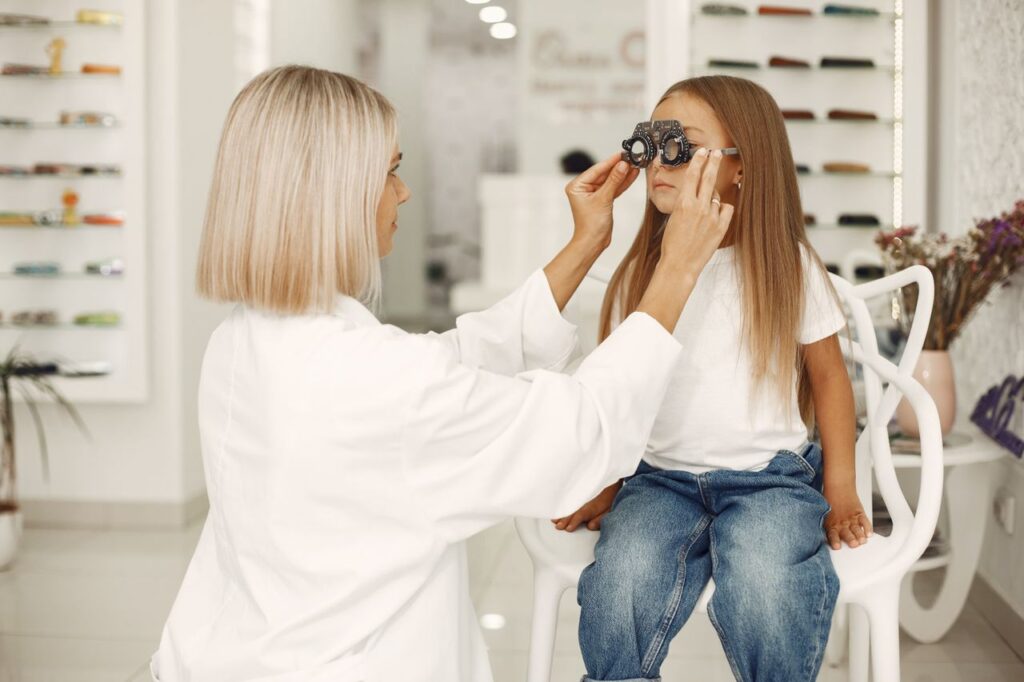
4. Holding Objects Too Close
Does your child hold books right near the face? Do they sit too close to the TV? This may point to weak eyesight. Many kids do this to help bring blurry things into focus. They may not even know they are doing it.
You should watch how your child uses screens and books. If they keep things moving closely, their eyes may need help. You may also spot poor focus in class work or loss of joy in reading time. When kids strain to see, they may avoid tasks that use the eyes a lot.
Final Thoughts
Vision problems can affect everything from school performance to everyday activities, but many children do not realize they are having trouble seeing clearly. That is why it is important for parents to pay attention to subtle signs such as frequent eye rubbing, squinting, headaches, or holding objects too close.
If you notice any of these behaviors, scheduling a professional eye exam can help identify potential issues before they become more serious. Early detection and treatment can make a significant difference in your child’s comfort, confidence, and overall quality of life.