
This post may contain affiliate links. I only recommend products I use and love. Read the full disclosure here
Updated on: January 26, 2026
Originally published on: January 26, 2026
Many hunting skills you can practice at home are built and honed in small pockets of time, on an ordinary weekend, with no audience and absolutely zero pressure. That quiet, low-stakes environment is often where the most meaningful improvement happens. It’s where true confidence is born, long before you ever step into the field.

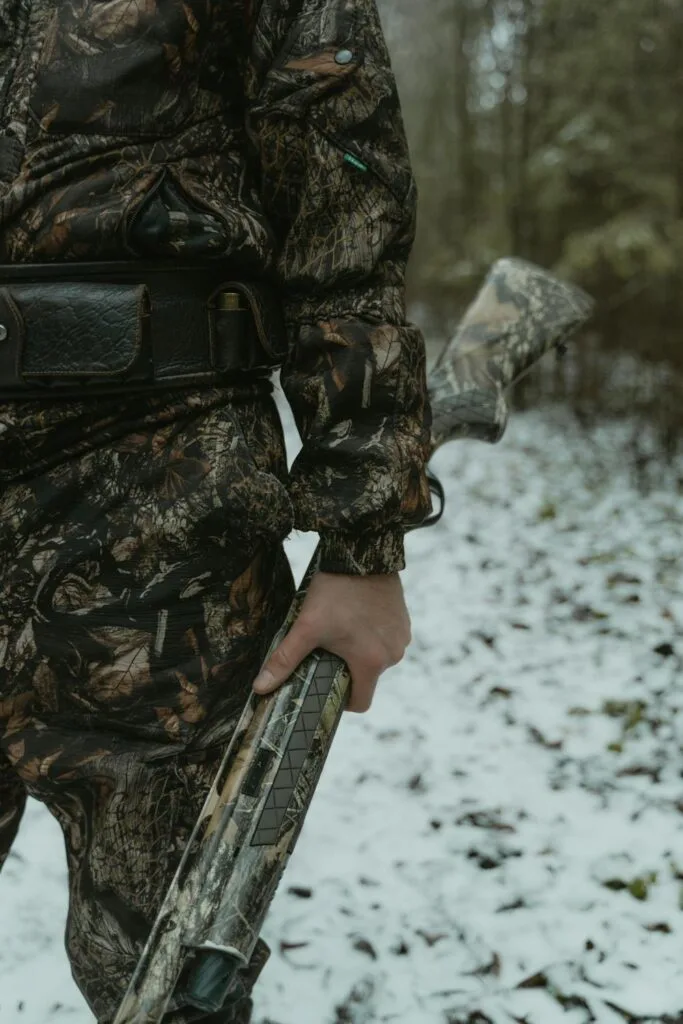
Below are five skills you can practice at home that will add real value to your next hunt. Practicing these skills without pressure allows you to focus on the basics, identify weak points, and become accustomed to doing things the right way before it matters most.
Breath Control
Once you practice breath control frequently, slowing things down feels almost instant.
A couple of steady breaths can bring your focus back and take the edge off your body. It’s a simple, largely boring practice, but surprisingly powerful when nerves kick in.
Mastering breath control is basically learning how to calm yourself down without anyone else noticing.
Knot Tying
A few minutes with a rope or paracord at home teaches your hands what to do without your brain getting too involved.
When pressure shows up later, like cold fingers, fading light, or things moving faster than planned, you won’t be fumbling or rethinking steps. The knots just happen.
Just pop in your earplugs so you can focus on improving your skills without interruptions. That kind of muscle memory boosts your confidence in the field, keeps you safer, and helps you to enjoy each hunt even more than before.
Packing Your Backpack
When you’ve already practiced how to distribute weight in your hunting backpack, your gear moves with you and stops fighting every step. The load sits where it makes sense, not where it happened to fit at the time.
Heavy items stop dragging you backward. Gear becomes easily accessible instead of being buried at the bottom. You notice pressure points early and adjust before they turn into problems.
Repacking a few times also shows you what you need and what you definitely do not.
Map Reading
Spending time with a map at home gives the land a bit of a head start on introductions.
When you head out, fewer decisions feel rushed because you’ve already worked through them in advance. Those lines start telling a story. You learn things like where climbs steepen, where cover thins, and where travel slows.
That helps stop surprise hills and allows routes to make more sense.

Animal Anatomy Study
Spending time learning animal anatomy allows you to make fewer decisions in the field.
When you already know where vital organs are and how the body is layered, you’re not trying to figure things out in the moment while peering through a scope. Your focus stays on timing and judgment instead of second-guessing and doubt.
A little time with diagrams at home pays off hugely in the field when the pressure’s on.
Final Thoughts
Hunting is not about being perfect; it’s about being practiced.
The work you do at home sharpens judgment, saves energy, and keeps small problems from becoming big ones. Practice these skills early, practice them often, and let the field be about execution – not figuring things out under pressure.