
This post may contain affiliate links. I only recommend products I use and love. Read the full disclosure here
Updated on: December 29, 2025
Originally published on: December 22, 2025
Planning for healthy teeth is a lifelong project, and understanding oral health across different life stages helps you make smarter choices as needs change. The details shift from childhood to older age, but the basics stay simple, check in regularly, clean well at home, and manage the small risks that add up. Use these seven factors to shape a plan that fits every life stage.

Access To Routine Care
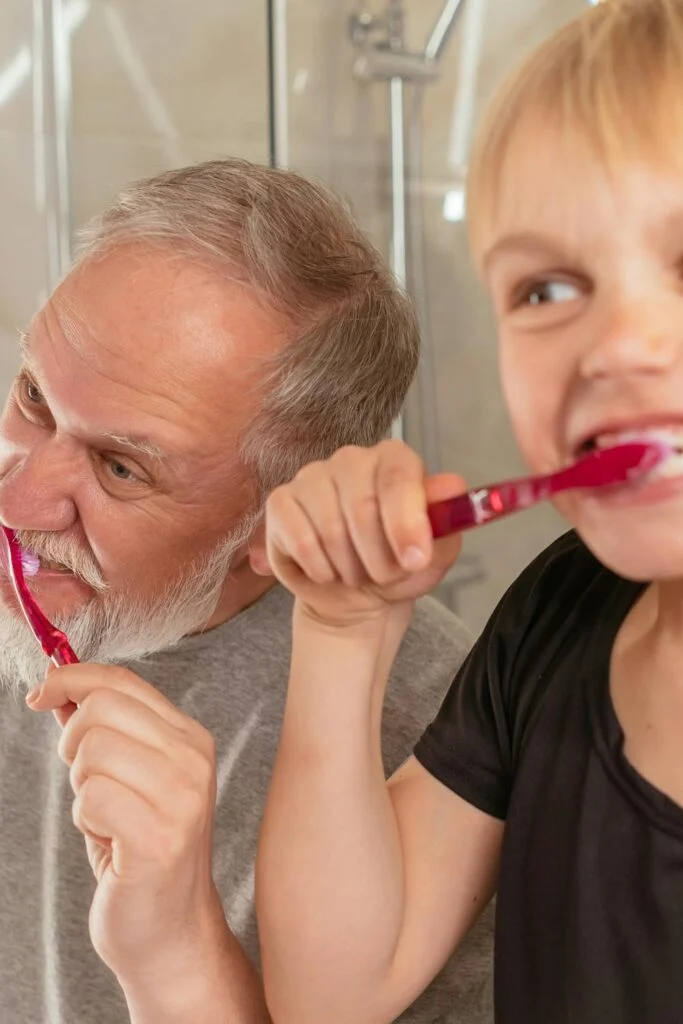
Regular visits catch small problems early and keep costs predictable. Aim for cleanings and exams on a steady rhythm, plus X-rays as advised for your risk.
A national surveillance summary reported that about 1 in 5 working-age adults has an untreated cavity, which shows how skipped appointments can snowball into pain and expense.
Preventive care protects your time, since early fixes avoid emergency visits and missed work. If scheduling is hard, book the next appointment before you leave so it stays on the calendar.
Daily habits matter between visits, including brushing twice, flossing once, and limiting frequent sugary snacks.
Fluoride toothpaste and a simple rinse can strengthen enamel for many adults at moderate risk. Consistency turns dental care from a reaction to a routine.
Injury Readiness And Protection
Life happens – from school sports to weekend DIY, chipped or knocked teeth are common. Set a plan now so stress does not slow you down.
If pain spikes or a tooth breaks, call your dentist first for clear steps, and keep a small kit with gauze, a clean container, and over-the-counter pain relief ready by the medicine cabinet. If you live nearby, you can save the contact for an emergency dentist in lakewood or whatever is local to you in your phone, then add a fridge note so the whole family knows who to call. For a knocked-out adult tooth, handle the crown only, rinse gently, and try to place it back in the socket.
If that is not possible, store it in milk and get professional help fast. Mouthguards for contact sports prevent many emergencies before they start.
- Keep a dedicated sports kit: mouthguard case, extra guard, lip balm
- Log dentist and after-hours numbers in your phone and on the fridge
Daily Habits That Stick
What you do at the sink matters more than any single treatment. Keep tools visible, set a reminder, and make it quick and repeatable so tired nights do not win.
- Brush twice daily with a fluoride toothpaste for 2 minutes
- Clean between teeth once a day with floss or interdental brushes
- Swap brush heads every 3 months or after illness
- Rinse with water after snacks and acidic drinks
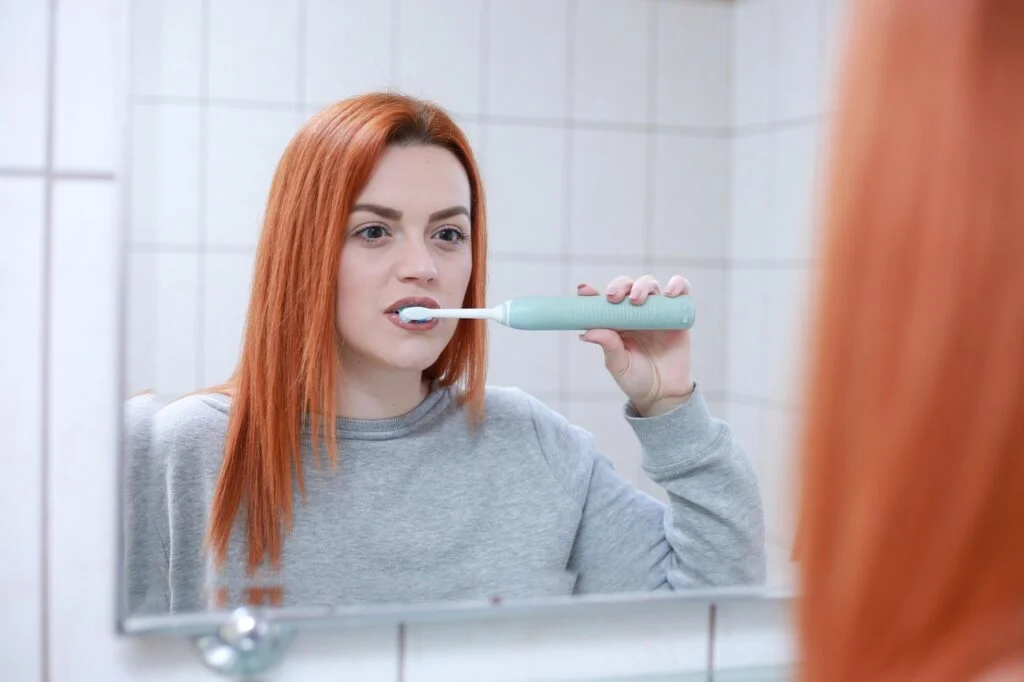
Small upgrades help. An electric brush evens out technique, and a countertop flosser turns tricky spacing into a simple routine. Pack a travel kit so busy days do not become skipped care.

Diet, Hydration, And Timing
Sugar feeds plaque bacteria and acids soften enamel, so when you eat matters as much as what you eat. Try to group sweets with meals, then drink water to rinse. Choose tooth-friendly snacks like cheese, nuts, and crunchy veggies that nudge pH back toward neutral.
Sports and energy drinks deserve a plan. If you use them, sip quickly, not all day, and chase with water. Wait 30 minutes after acidic drinks before brushing so softened enamel can re-harden first.
Saliva is your natural defense, and it flows best when you are well hydrated throughout the day. Chewing sugar-free gum after meals can stimulate saliva and help clear food debris. Timing caffeine earlier in the day can help, since dry mouth overnight raises cavity risk.
Pay attention to hidden sugars in sauces and flavored yogurts that sneak into frequent snacks. Small timing tweaks compound into stronger enamel.
Hormones And Life Changes
Hormonal shifts in puberty, pregnancy, and menopause can make gums tender and more prone to inflammation.
Keep your technique gentle, schedule cleanings on time, and use a soft brush head. Preventive and needed dental care is considered safe during pregnancy, so do not delay if something hurts or bleeds.
Morning sickness brings acid into the mouth. Rinse with a mix of water and a pinch of baking soda, then brush later. After birth, keep routines simple and ask about varnish or sealants when your child’s first molars appear.
Stress, Sleep, And Lifestyle
Stress often shows up in the mouth as clenching, grinding, or nail biting. Build simple buffers like short walks, stretching, or a 3-minute breath routine before bed to relax your jaw. If you wake with headaches or sore teeth, ask about a night guard and review your sleep posture.
Dry mouth raises risk, too. Caffeine, some medications, and mouth breathing can lower saliva. Balance coffee with water, ask about high-fluoride toothpaste, and consider sugar-free xylitol mints to stimulate flow.
If snoring or daytime sleepiness is common, talk to your doctor about screening for sleep apnea.
Consistent sleep schedules help regulate hormones that influence saliva and inflammation. Protect teeth during workouts by using a properly fitted mouthguard if you lift heavy or play contact sports.
Avoid using teeth as tools, since small chips invite cracks under stress. Gentle jaw stretches in the morning can reduce residual tension from nighttime clenching. These habits lower wear and prevent discomfort from becoming chronic.

Aging Well With Oral Health
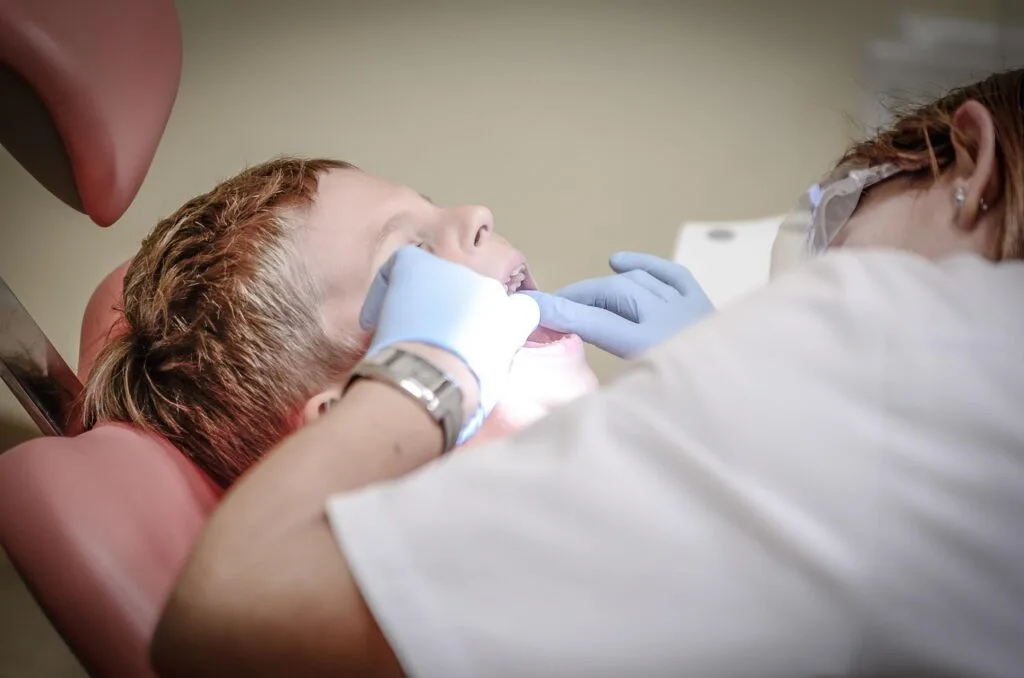
As dexterity changes, tools should adapt. A thick-handled brush, an electric brush, or pre-threaded flossers make care easier and safer. Review medications with your dentist, since many cause dry mouth that raises cavity risk near the gumline.
Nutrition and fitness matter in later decades. Ill-fitting dentures can cause sores and make eating harder, so schedule checks and relines as needed. Keep a simple list of daily steps, plus the date of your last cleaning, on the bathroom mirror to stay on track.
A recent study found that young adults are the most likely age group to skip dental care for over a year, which hints at barriers like time and cost.
Close the gap with reminders, flexible scheduling, and community resources when budgets are tight. The goal is steady progress – not perfection – so you protect comfort and confidence at every stage.
Healthy mouths are built day by day. Keep the basics steady, adjust routines as life changes, and prepare for small surprises before they arrive. With simple habits and a clear plan, your smile can stay strong from the first tooth to every chapter that follows.