
This post may contain affiliate links. I only recommend products I use and love. Read the full disclosure here
Updated on: May 8, 2025
Originally published on: May 8, 2025
When it comes to creating a welcoming, effective classroom, inclusive teaching strategies are a must. These approaches aren’t just buzzwords, they’re powerful tools that can help every student feel seen, supported, and ready to learn. From differentiated instruction to culturally responsive teaching, these strategies open the door to stronger engagement, better outcomes, and a learning environment where everyone can thrive.


So what makes these strategies work so well in today’s diverse classrooms? It’s all about meeting students where they are, honoring their differences, and using smart, thoughtful methods to bring out their best. Here’s how to make that happen.
Understanding Diversity in Classrooms
Every student brings something different to the table, unique experiences, perspectives, strengths, and challenges. And understanding diversity in the classroom is the first step toward building an inclusive classroom.
You’ll work with students from various cultural backgrounds, different socioeconomic situations, and a wide range of academic abilities. Some may need extra support with learning differences, while others may face barriers related to language, resources, or access.
Using inclusive teaching strategies helps you create a space where all students feel respected, represented, and ready to learn. That includes adapting how you teach, encouraging open discussions around identity and experiences, and creating a culture of empathy and respect.
Differentiated Instruction Techniques
Once you recognize the diversity in your classroom, it’s time to adjust how you teach. Differentiated instruction is a flexible approach that helps you reach students with different learning styles, interests, and skill levels.
Start by grouping students based on where they are academically. Use small groups, one-on-one time, or collaborative activities to give each learner the support they need.
Mix up how you teach, too! Some students connect better with visuals, while others prefer hands-on learning or listening to instructions. The key is variety, videos, software, slideshows, experiments, discussions, and games all play a role in inclusive learning.
And when it comes to assignments, give students options. Let them show what they’ve learned through presentations, essay writing, artwork, or even short videos. That way, everyone can shine in their own way.
Culturally Responsive Teaching
If you’re aiming for a truly inclusive classroom, culturally responsive teaching is non-negotiable. This strategy centers on your students’ cultural identities and uses them as a foundation for learning.
That means really getting to know your students, what holidays they celebrate, what languages they speak at home, what stories they bring with them. Use that knowledge to choose books, examples, and assignments that reflect their experiences.
Creating a safe space for students to share their backgrounds helps them feel valued. It also encourages curiosity and connection among classmates.
And don’t forget to do the inner work, too. Reflect on your own assumptions and biases. Inclusive teaching isn’t just about what you do, it’s also about how you think, grow, and respond to your students.
Universal Design for Learning
Universal Design for Learning (UDL) is like setting up a classroom that works for everyone, from the start. It’s about offering flexibility in how you teach and how students learn.
First, think about how students receive information. Instead of just lecturing or assigning reading, offer alternatives like audio, visual charts, or interactive tools. Everyone processes info differently, and this gives them more than one way to understand the material.
Next, focus on keeping students engaged. Let them choose projects that reflect their interests or give them real-life relevance. When students feel connected to what they’re learning, their motivation soars.
UDL isn’t a one-size-fits-all approach, it’s the opposite. And that’s what makes it such a great match for inclusive teaching strategies.
Collaborative Learning Opportunities
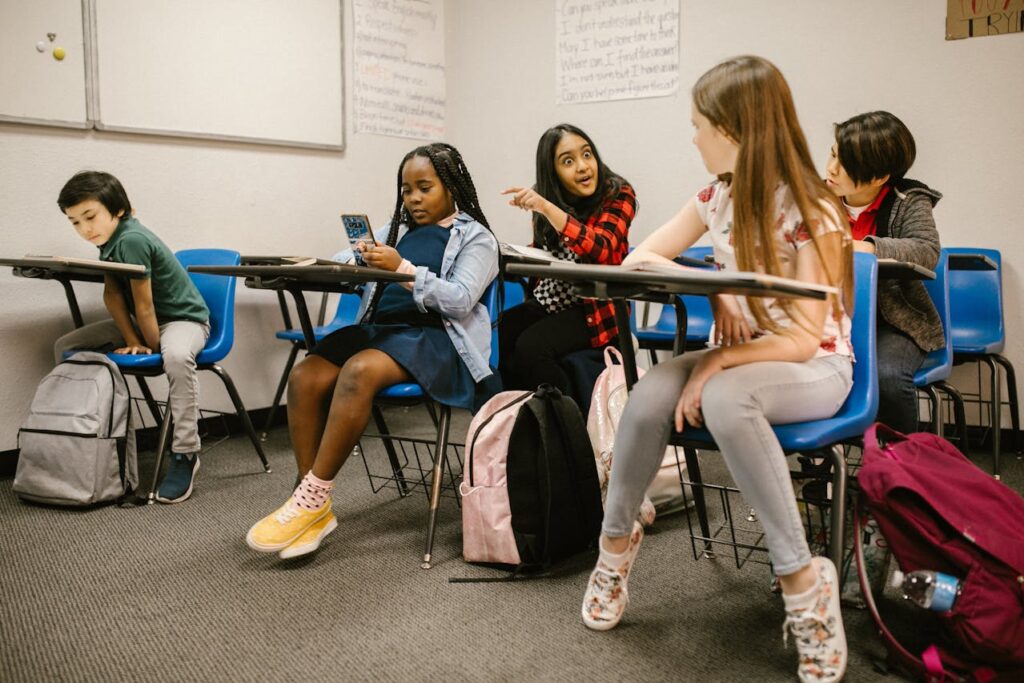
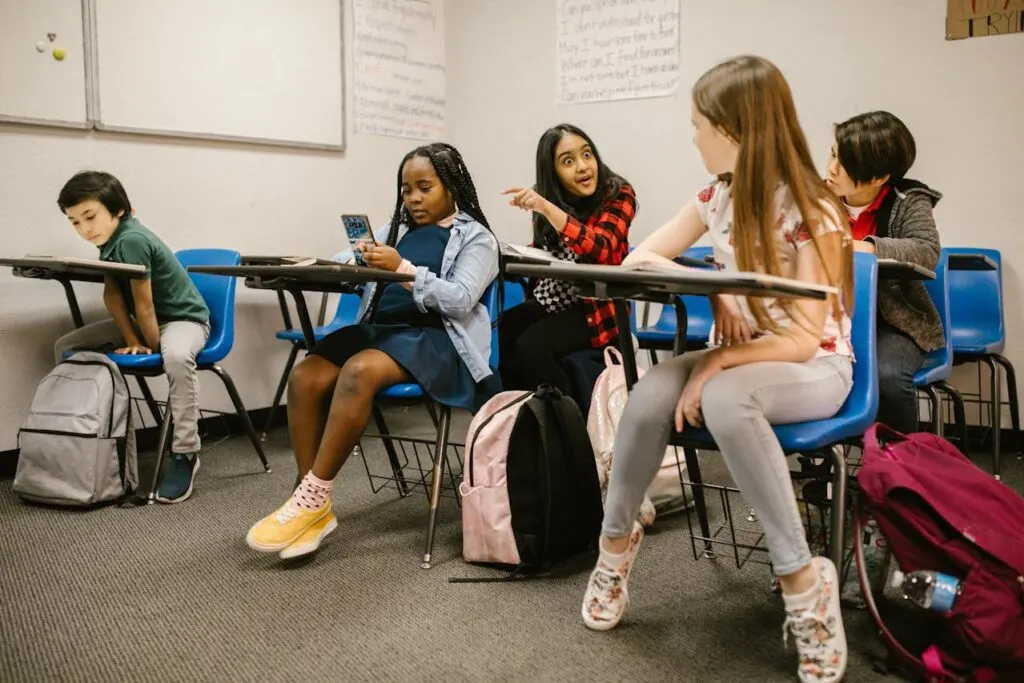
Let’s be honest, learning is just better when we do it together. Collaborative learning builds community, encourages communication, and gives students a chance to learn from each other as much as they learn from you.
Start with small group projects, peer mentoring, or even partner work. The goal isn’t just to finish an assignment, it’s to learn how to work as a team, share ideas, and solve problems together. That’s a life skill they’ll carry far beyond your classroom.
Mixing students from different backgrounds and learning levels is a great way to introduce fresh perspectives and encourage empathy. Just be sure to assign clear roles so everyone knows how they can contribute. And don’t skip the reflection! After a group project, have students talk or write about what went well and what they could improve. That builds awareness and growth.
Building a Supportive Environment
One of the most powerful inclusive teaching strategies? Creating a classroom where students feel safe, supported, and seen.
Start with the basics: build relationships with your students. Learn their names, ask about their lives, and make space for them to share. When students feel you genuinely care, they’re more likely to engage and take risks with their learning.
Then look at your space. Is your seating arrangement open and welcoming? Are your learning tools easy to access? Do you have visuals that reflect a range of cultures and experiences?
Routines help, too. Consistent expectations create a sense of security, especially for students who thrive on structure. Reinforce progress with positivity, celebrate small wins, and model respect in every interaction.
When your classroom feels like a safe and welcoming space, students are more confident—and more likely to succeed.
Using Technology Effectively
Today’s students are digital natives, so why not use that to your advantage? Inclusive teaching strategies shine when paired with smart tech tools.
Start by choosing tools that offer multiple ways to learn. Think text-to-speech readers, captioned videos, interactive games, and drag-and-drop learning platforms. These not only make lessons more engaging, they help all kinds of learners connect with the content.
Next, offer training and support. Not all students will be tech-savvy, and some may feel left behind if they don’t understand how to use a program. A quick walkthrough or peer helper can make a world of difference.
And don’t forget accessibility. Make sure your materials work with screen readers or other assistive tech. The more barriers you remove, the more inclusive your classroom becomes.
Assessing Student Progress Inclusively
Assessment doesn’t have to mean one-size-fits-all tests—and for many students, it shouldn’t. To truly measure progress, it’s important to offer assessment options that reflect the range of strengths in your classroom.
Try mixing it up with portfolios, open-ended projects, and real-time check-ins. These not only give students different ways to show what they’ve learned—they also make room for creativity and critical thinking.
And if you want an example of what flexible assessment looks like in action, take a cue from students enrolled in the best online high school. These programs often use project-based assignments and personalized evaluations that let students shine on their own terms.
You can do the same. Encourage students to self-assess or give peer feedback. This helps them become active participants in their own learning. Be clear about expectations, and make sure your assessments are culturally responsive, too—your students should see themselves reflected in the materials they’re being judged by.
Engaging Families and Communities
If you’re using inclusive teaching strategies in the classroom, don’t stop at the school doors, bring families and the wider community into the mix. Their insight, culture, and support can enrich the learning experience in ways you might not expect.
Start by building open lines of communication. That could be through regular emails, short newsletters, parent-teacher check-ins, or even quick text reminders. Keep families in the loop so they feel like active partners, not just bystanders.
Want to take it a step further? Invite parents or guardians to workshops that show them how to support their child’s learning at home. These small efforts go a long way in building trust and encouraging collaboration.
And don’t forget about your local community. Guest speakers, cultural presentations, or even bringing in a local artist or entrepreneur can make learning real and relevant. When students see their culture and community reflected in school, it helps reinforce that they belong.


Conclusion
Incorporating inclusive teaching strategies isn’t about checking boxes, it’s about making your classroom a place where every student feels respected, capable, and empowered to grow. By using approaches like differentiated instruction, culturally responsive teaching, and universal design, you’re creating a space that honors every learner’s unique path.
From collaborative learning and tech tools to creative assessments and strong family ties, it all adds up to one thing: a classroom that works for everyone. And that’s not just good teaching, it’s great teaching.