
This post may contain affiliate links. I only recommend products I use and love. Read the full disclosure here
Updated on: September 5, 2025
Originally published on: September 4, 2025
The idea of self-improvement has been around forever, and for many people, that includes making changes to their appearance. Plastic surgery used to be something only celebrities or the wealthy talked about, but now it’s pretty common. Thanks to advances in technology and the fact that more people are open about sharing their journeys, it’s easier than ever to see why people choose plastic surgery and how it has become part of everyday life.

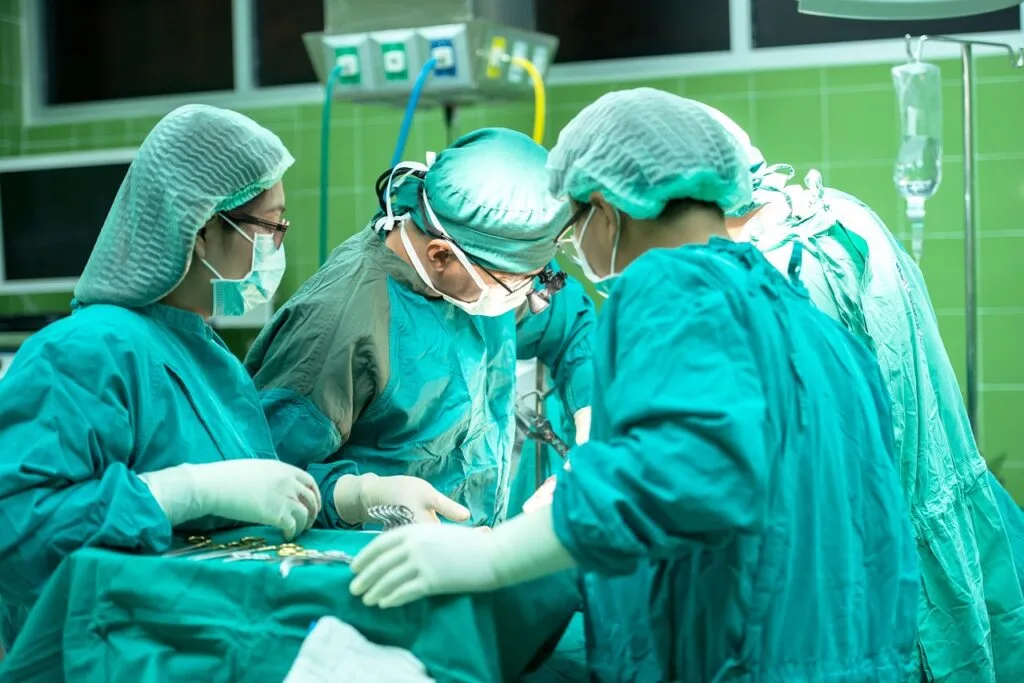
For some, it’s about confidence. For others, it’s tied to health or even work opportunities. So, what are the main reasons people go for it? Let’s break down the top eight motivations.
Boosting Self-Confidence
One of the biggest reasons people think about plastic surgery is to feel more confident in their own skin. Sometimes the way we look on the outside doesn’t match how we feel on the inside, and that can create insecurity. Maybe someone feels self-conscious about their nose, or maybe they’ve struggled with weight and want to feel better in their clothes.
Enhancements, such as rhinoplasty or liposuction, can significantly alter an individual’s self-image. In fact, studies show that confidence often gets a big boost after successful surgery. When people are happy with the results, that positive energy spills into other parts of their lives — whether it’s relationships, social settings, or even career opportunities.
Renown Dr Daneshmand PLASTIC SURGEON ORANGE COUNTY says that focusing on features that make people feel uncomfortable can lead to profound changes in the way people view themselves overall. And that newfound confidence can inspire individuals to take on opportunities they might have previously avoided, such as public speaking or pursuing leadership roles. It can foster a greater willingness to engage socially, strengthening both personal and professional connections.
Addressing Physical Imperfections
Not all plastic surgery is about vanity. For a lot of people, it’s about fixing something that’s been bothering them for years, whether it’s something they were born with or something that happened later in life.
For many, these imperfections are more than mere aesthetics; they can lead to emotional distress and social anxiety. Plastic surgery offers solutions tailored to rectify these issues, providing a pathway to enjoying life without the burden of self-doubt. take a toll on both confidence and comfort.
Take women with larger breasts, for example. Many deal with chronic back pain and day-to-day discomfort. Breast reduction surgery doesn’t just change appearance; it improves quality of life.
The same goes for people with conditions like pectus excavatum or those dealing with excess breast tissue. These procedures aren’t just about how you look; they’re about feeling comfortable and able to move through life without constant reminders of pain or insecurity.
Reversing the Signs of Aging
As people age, they may notice changes in their skin and body that lead to dissatisfaction with their appearance. Wrinkles, sagging skin, and volume loss are common concerns. Many seek plastic surgery to reverse these signs of aging, aiming to recapture a more youthful look. Procedures such as facelifts, Botox injections, and dermal fillers are designed to restore a youthful appearance by smoothing skin and adding volume where it’s lost.
Data suggests that non-surgical treatments are among the fastest-growing segments within the field of plastic surgery. People are seeking options that fit into their lifestyles without requiring extensive recovery times. In times when society emphasizes youthfulness, individuals frequently think about these procedures to feel youthful and energetic.
Personal and Social Influences
People are often influenced by societal pressures and peers when considering cosmetic surgery. Social media plays a significant role in shaping perceptions about beauty standards. With constant exposure to curated images of beauty, individuals may feel compelled to align their appearances with these standards. Plastic surgery can be seen as a way to achieve an idealized version of oneself that is often perpetuated on these platforms.
Cultural influences can drive individuals to modify their appearances based on trends. Cosmetic enhancements can signal social status or success in some regions, making surgery an attractive option for those wanting to fit in or stand out. Those who understand the perceived benefits of physical attractiveness may feel pressured to enhance their looks, leading to a distinct increase in elective procedures.
Improving Life Satisfaction
Beyond self-esteem, another motivating factor for undergoing plastic surgery is the improvement in life satisfaction. Individuals often report enhanced quality of life after undergoing procedures, liberated from longstanding insecurities. The notion that appearance correlates with happiness is prevalent, where striving for an ideal appearance is thought to contribute to satisfaction.
Individuals may find greater ease in social interactions, improved romantic relationships, and increased professional opportunities following surgery. These improvements are often interrelated; by addressing physical concerns, individuals open doors to new experiences and relationships that may have previously hindered their enjoyment of life.
Career Opportunities
Physical appearance can play a pivotal role in shaping career trajectories. Whether in entertainment, media, or customer-facing roles, individuals may feel pressure to enhance their looks to remain competitive. Research indicates that attractive individuals may receive preferential treatment in professional fields, leading some to plastic surgery as an investment in their careers.
Several professionals have made enhancements to align their appearances with industry standards or personal aspirations, believing it could yield better job prospects. This changing perception regarding plastic surgery reflects a broader acceptance of altering one’s body for personal satisfaction and for career advancement.

Physical Health Concerns
While many seek plastic surgery primarily for aesthetic purposes, health considerations frequently play an integral role in the decision-making process. Procedures that address functional issues can enhance quality of life and provide long-term benefits beyond aesthetic improvements.
Individuals suffering from breathing difficulties due to a deviated septum often seek rhinoplasty for both airflow improvement and cosmetic appeal. Aside from respiratory concerns, individuals with excess skin following significant weight loss often pursue body contouring procedures to refine their appearance and to prevent potential health complications like skin infections. Thus, health concerns can significantly motivate individuals to undergo various plastic surgeries, aligning aesthetics with physical well-being.
Informed Decision-Making and Empowerment
Advancements in technology provide individuals with robust information about plastic surgery options, allowing them to make informed decisions. The rise of online platforms has democratized access to knowledge, helping potential patients understand procedures, risks, and benefits thoroughly.
Increased transparency and accessibility empower individuals to take charge of their bodies and choices regarding enhancement. Skepticism about surgery has diminished as individuals gain confidence in understanding processes and outcomes.
With clearer expectations, patients often approach surgery with realistic goals, leading to higher satisfaction levels. Empowerment stems from informed choice, and many attribute their considerations for surgery to newfound knowledge coupled with supportive communities that encourage discussions around plastic surgery.
With numerous motivations driving the trend towards plastic surgery, the approaches taken to define and enhance personal identity evolve. As the landscape of beauty continues to shift, so do the factors that influence individuals’ decisions to undergo these life-altering procedures.