
This post may contain affiliate links. I only recommend products I use and love. Read the full disclosure here
Updated on: April 9, 2026
Originally published on: April 9, 2026
Creating a daily routine for kids 5-8 can feel like a balancing act. Parents want structure, but they also want joy, creativity, and meaningful learning woven into each day. For kids ages 5 to 8, routines work best when they don’t feel rigid. Instead, they should feel engaging, flexible, and fun.

One of the most effective ways to build this kind of routine is by combining DIY play with educational reading. When hands-on creativity meets storytelling, children don’t just follow a schedule; they become active participants in their own learning experience.
Why Routines Matter for Ages 5 to 8
At this stage, children are developing independence, curiosity, and foundational skills that shape how they approach learning. A well-designed routine gives them a sense of security while also encouraging exploration.
Consistency helps children understand what to expect throughout the day. It reduces resistance during transitions and builds confidence. But structure alone isn’t enough. Kids also need stimulation and variety to stay engaged.
That’s where blending activities like crafts, building projects, and reading comes in. It transforms routine into something they look forward to rather than something they resist.
The Power of Combining Reading and DIY Play
Reading introduces ideas, characters, and concepts. DIY play brings those ideas to life. Together, they create a deeper, more memorable learning experience.
For example, a story about entrepreneurship can inspire a child to create a mini “store” at home. A book about history might lead to building a simple model or drawing scenes from the past. When children connect stories to real-world activities, they retain information better and develop critical thinking skills.
This combination also supports multiple learning styles. Some children absorb information best through reading, while others learn by doing. By merging both, you cater to a wider range of needs.
Creating A Simple Daily Framework
You don’t need a complicated schedule to make this work. A simple framework can be enough to guide your day while leaving room for flexibility.
Start by identifying key moments in the day where learning and play can naturally fit. For example:
- Morning: Light reading or storytime
- Midday: Hands-on DIY activity
- Afternoon: Free play or outdoor time
- Evening: Wind-down reading session
This structure creates a rhythm without feeling overwhelming. It also allows children to anticipate what’s coming next, which reduces friction.
The goal isn’t to fill every minute. It’s to create intentional pockets of engagement throughout the day.
Turning Stories Into Hands-On Activities
One of the easiest ways to integrate DIY play is by using books as inspiration. After reading together, ask simple questions like:
- “What would you build if you were in this story?”
- “Can we create something like this at home?”
- “What would you do differently?”
These prompts encourage imagination and ownership.
For example, after reading a story about problem-solving, you might challenge your child to build a bridge using household items. After a book about money or responsibility, they could create a pretend business using toys or crafts.
Even simple activities like drawing characters, acting out scenes, or building with blocks can reinforce what they’ve learned.
Encouraging Independent Thinking Through Play
DIY play isn’t just about keeping kids busy. It’s an opportunity to help them think independently.
When children are given the chance to create, experiment, and even make mistakes, they develop confidence in their abilities. Instead of giving step-by-step instructions, try offering open-ended challenges.
For example:
- “Can you design something that solves a problem?”
- “How would you improve this idea?”
- “What can you build using only these materials?”
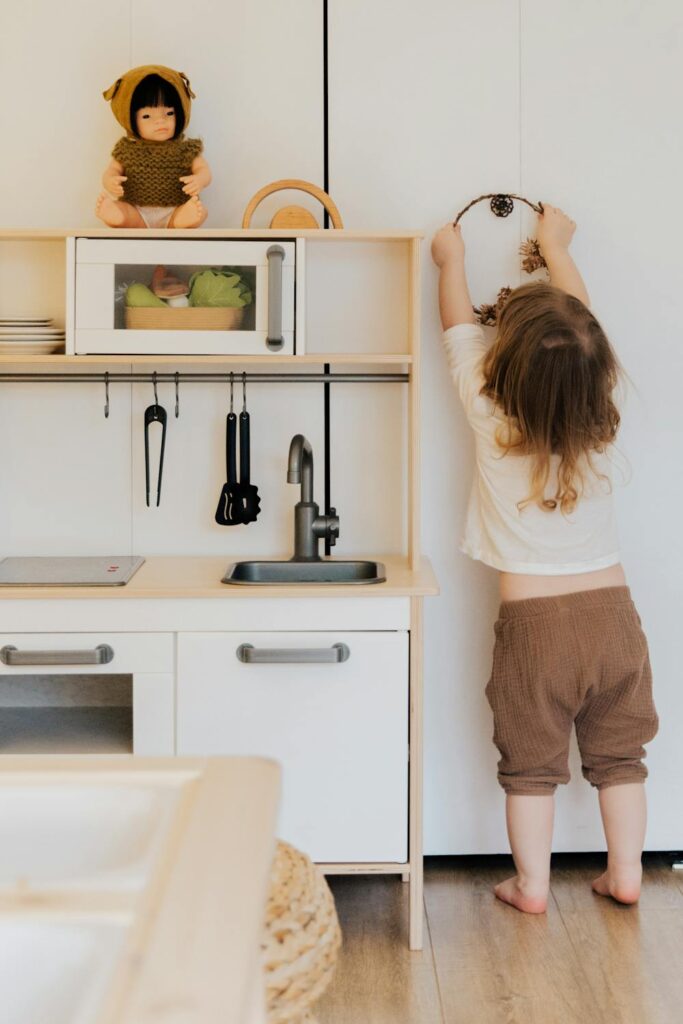
These types of prompts encourage creativity and critical thinking. They also help children see themselves as capable problem-solvers.
Choosing Books That Inspire Action
Not all books are created equal when it comes to sparking creativity. Look for stories that introduce real-world concepts, strong values, or problem-solving scenarios.
Books that explore topics like entrepreneurship, responsibility, and decision-making can naturally lead to hands-on activities. They give children ideas they can apply in their own play.
If you’re looking to refresh your home library, you can explore options and shop Tuttle Twins online to find titles designed to make big ideas accessible for young readers. Just a few thoughtfully chosen books can open the door to countless creative activities.
Making Routines Feel Fun, Not Forced
One common challenge parents face is resistance. Even the best routine can fall apart if it feels like a chore.
The key is to keep things light and flexible. Allow your child to have a say in what activities they do. Offer choices rather than commands.
For example:
- “Do you want to read first or build something first?”
- “Should we draw or create a project today?”
When children feel involved in decision-making, they’re more likely to participate willingly.
It also helps to follow their interests. If they’re excited about a particular topic, lean into it. Use that interest as a starting point for both reading and DIY activities.
Balancing Structure With Flexibility
A good routine provides guidance, but it shouldn’t be rigid. Life happens, and some days won’t go as planned.
Instead of aiming for perfection, focus on consistency over time. If you miss a day of reading or skip a planned activity, it’s not a failure. What matters is returning to the rhythm when you can.
Flexibility also allows room for spontaneous creativity. Sometimes the best learning moments happen when a child follows their curiosity in an unexpected direction.
Creating A Learning Environment at Home
Your environment plays a big role in how routines unfold. A space that encourages both reading and creativity can make a huge difference.
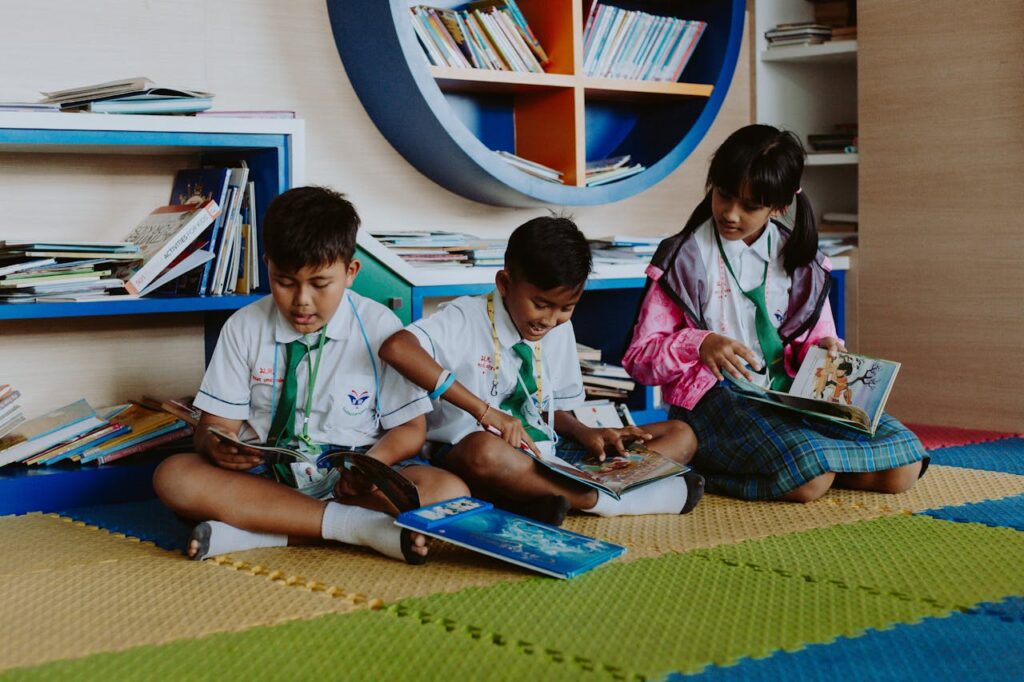
You don’t need anything elaborate. A small reading nook with a few books and a simple area for crafts or building projects is enough.
Keep materials accessible so children can initiate activities on their own. This fosters independence and reduces reliance on constant direction.
Rotating books and materials can also keep things fresh. Even small changes can reignite interest and excitement.
Building Habits That Last
When reading and DIY play become part of a daily routine, they start to feel natural rather than forced. Over time, these habits can shape how children approach learning.
They begin to see reading as a source of inspiration, not just something they “have to do.” They learn to connect ideas with action, which builds deeper understanding.
More importantly, they develop a sense of curiosity and confidence that extends beyond childhood.
Final Thoughts
Building better routines doesn’t require perfection or complicated systems. It’s about creating simple, meaningful moments that combine structure with creativity.
By pairing educational books with DIY play, you give children the opportunity to explore ideas in a hands-on way. You turn routine into something engaging, dynamic, and enjoyable.
In the end, the goal isn’t just to fill time—it’s to create experiences that help children grow, think, and imagine. And when learning feels like play, those routines become something they’ll carry with them for years to come.