
This post may contain affiliate links. I only recommend products I use and love. Read the full disclosure here
Updated on: July 13, 2026
Originally published on: July 13, 2026
Few things influence the quality of a cup of coffee as much as the freshness of the beans. Learning how to store coffee beans properly is one of the easiest ways to protect their aroma, flavor, and overall quality. Even carefully brewed coffee can lose its rich taste if the beans have been stored incorrectly. Coffee beans begin changing after roasting, and exposure to air, moisture, heat, and light gradually affects their natural characteristics.
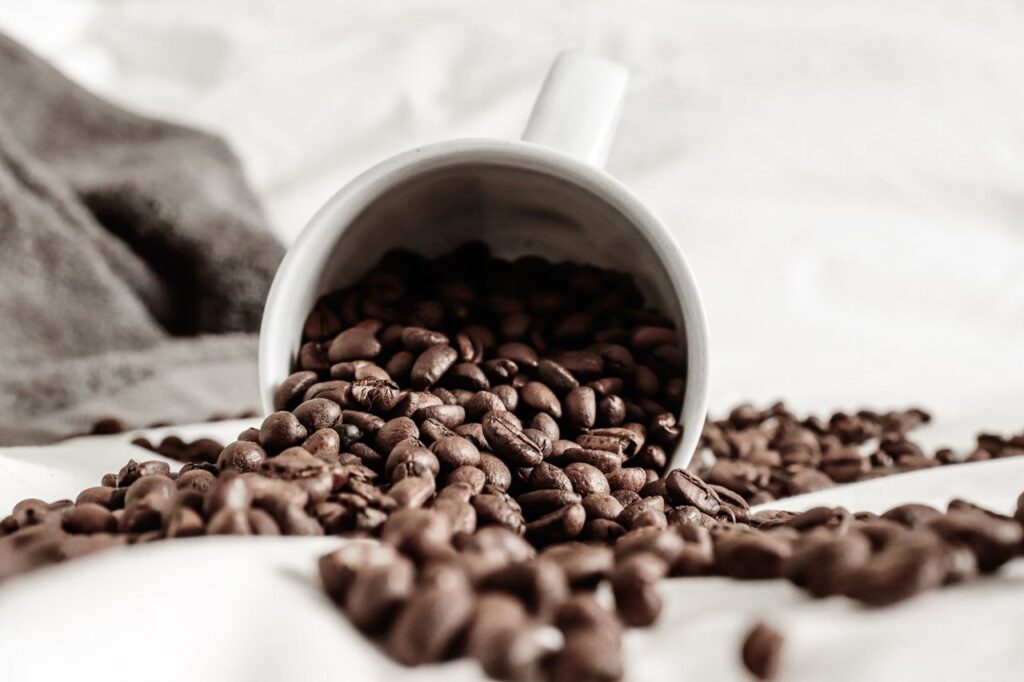
Fortunately, preserving coffee quality does not require expensive equipment or complicated techniques. By understanding what affects coffee freshness and following a few practical storage habits, anyone can maintain better flavor for a longer period. Whether you brew coffee every day or enjoy it occasionally, learning how to store beans properly is an important part of getting the best results from each cup.
Why Coffee Beans Lose Freshness
Whether you buy coffee from a local roaster or choose freshly roasted coffee beans by Coffee Roast Lab, proper storage plays a major role in preserving the flavors developed during roasting. Freshly roasted coffee contains delicate aromatic compounds that begin changing as soon as the roasting process is complete. While this natural aging process cannot be stopped entirely, the right storage methods can significantly slow it down and help maintain the coffee’s original character.
Coffee beans contain aromatic oils and volatile compounds that create the distinctive flavors and aromas people enjoy. After roasting, these compounds slowly break down through a natural process called oxidation. Exposure to oxygen, moisture, heat, and light gradually reduces the coffee’s freshness, making each of these environmental factors important to control.
The four biggest factors affecting coffee freshness are:
- Oxygen accelerates oxidation and causes stale flavors.
- Moisture introduces unwanted humidity that affects both flavor and texture.
- Heat speeds up the breakdown of aromatic compounds.
- Light, especially direct sunlight, contributes to the deterioration of coffee oils.
Understanding these factors helps explain why some common storage habits can lead to disappointing coffee, even when high-quality beans are purchased.
Choose an Airtight Container
One of the simplest ways to protect coffee beans is by storing them in an airtight container. Every time beans are exposed to air, some of their aroma and flavor compounds begin to disappear. Containers with secure seals help reduce oxygen exposure and protect beans from humidity.
Opaque containers are generally a better choice because they also block light. Although glass jars may look attractive on a kitchen counter, they can allow light to affect the beans unless they are stored in a dark cabinet. Stainless steel or ceramic containers with airtight lids are often practical options for maintaining freshness.
It is also helpful to avoid opening large containers frequently. Keeping only a small amount of coffee available for daily use while storing the rest separately can reduce unnecessary exposure to air.
Store Coffee in a Cool, Dark Place
The location where coffee is stored can also have a significant effect on its quality. Once in an airtight container, store it in a cool, dark location away from heat, moisture, air, and light. This will help preserve its flavor and aroma for longer.
Many people consider storing coffee in the refrigerator, but this method is generally not recommended. Refrigerators experience temperature changes when opened, which can create condensation and introduce moisture to the beans. Moisture can negatively affect both flavor and texture.
A stable environment with consistent room temperature helps preserve the natural oils and aromas found in roasted coffee beans.
Buy the Right Quantity
Buying coffee in large amounts may seem convenient, but storing more beans than you can use within a reasonable period can reduce freshness. Coffee is best enjoyed when it is consumed relatively soon after roasting and opening.
Purchasing smaller quantities allows you to use the beans while their flavors are still well-preserved. A regular buying schedule can help maintain freshness without requiring long-term storage.
Choosing the right amount also reduces waste and prevents coffee from sitting unused for extended periods.
Keep Beans Whole Until Brewing
Whole coffee beans maintain their freshness longer than ground coffee because they have less surface area exposed to oxygen. Once coffee is ground, the flavor compounds begin to disappear more quickly.
For the best results, grind only the amount needed immediately before brewing. This helps preserve the aroma and creates a fresher taste compared with coffee that has been ground days in advance.
Using a consistent grinder can also improve the brewing process by creating evenly sized coffee particles, which supports better extraction.
Freeze Only When Necessary
For long-term storage, freezing coffee beans in small, airtight portions can help preserve freshness, while coffee you’ll use within a few weeks is generally best stored at room temperature.
Only remove the amount you plan to use and allow the sealed container to reach room temperature before opening it. This reduces the risk of condensation forming on the beans.
For everyday coffee consumption, proper room-temperature storage is usually enough. Freezing is mainly helpful when storing extra coffee for a longer period.
Pay Attention to Roast Dates
Understanding roast dates can help coffee drinkers make better storage decisions. Coffee does not immediately lose its quality after roasting, but its flavors gradually change over time.
Many coffee enthusiasts prefer using beans within a few weeks of roasting because this period often provides a good balance between freshness and flavor development. Checking roast dates helps you plan purchases and avoid keeping coffee for longer than necessary.
Avoid Common Storage Mistakes
Several simple habits can unintentionally reduce coffee freshness. Avoiding these mistakes can help preserve flavor:
- Leaving open coffee bags unsealed.
- Storing beans near heat sources.
- Keeping coffee in transparent containers exposed to sunlight.
- Opening large storage containers repeatedly.
- Grinding large amounts of coffee before use.
Small adjustments to storage habits can make a noticeable difference in the taste and aroma of brewed coffee.
Adjust Storage Based on Your Brewing Routine
The best storage method may depend on how frequently you drink coffee. Daily coffee drinkers may keep a small amount of beans in an accessible container while storing the rest in a sealed container.
People who brew coffee less often may benefit from dividing beans into smaller portions. This reduces the number of times the main supply is exposed to air and helps maintain consistency.
Regardless of your routine, the main goal is to minimize exposure to the conditions that speed up flavor loss.
Conclusion
Knowing how to store coffee beans properly helps protect them from the factors that gradually reduce their flavor and aroma.. Oxygen, moisture, heat, and light all contribute to flavor loss, making proper storage essential for preserving aroma and taste.
Using airtight containers, choosing a cool and dark storage location, buying suitable quantities, keeping beans whole until brewing, and using freezing methods only when necessary can help maintain coffee quality. Paying attention to roast dates and avoiding common storage mistakes also supports a better brewing experience.
With a few simple adjustments, coffee lovers can protect the natural characteristics of their beans and enjoy more consistent flavor in every cup.