
This post may contain affiliate links. I only recommend products I use and love. Read the full disclosure here
Updated on: July 27, 2026
Originally published on: July 27, 2026
Choosing dog food can feel overwhelming, especially if you’re trying to figure out how to choose dog food that truly meets your dog’s needs. Every package promises to be the best with claims like “natural,” “premium,” “real meat,” and “complete,” making it hard to know which one is actually right for your dog.
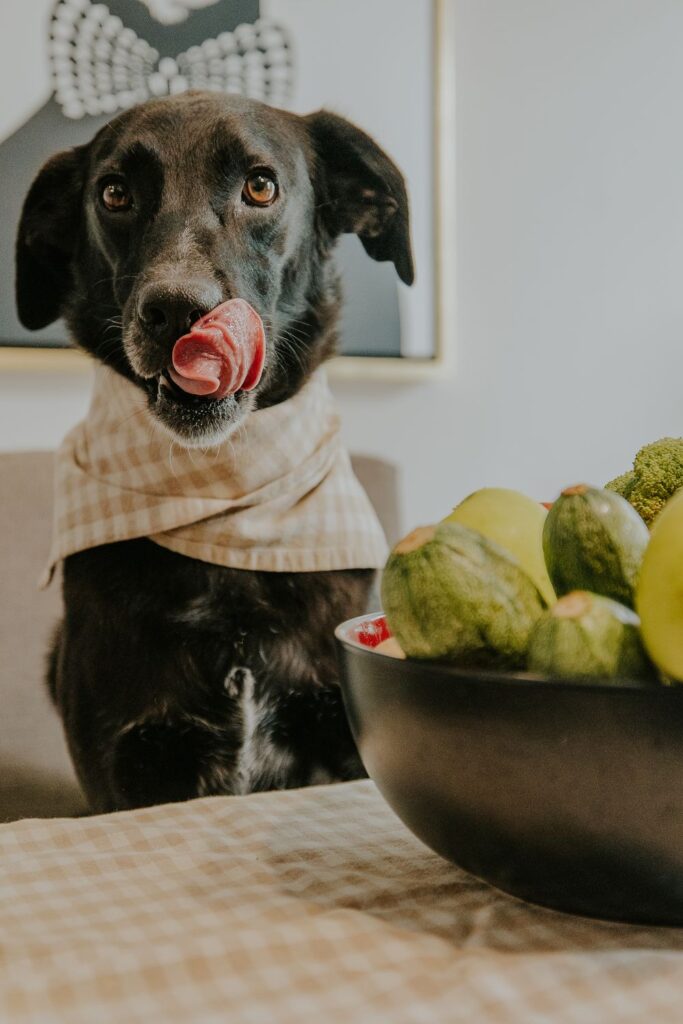
The truth is, the front of the bag is designed to catch your attention. To make the best choice, you need to look beyond the marketing and focus on the information that really matters.
Don’t Judge Dog Food by the Front of the Bag
Most dog food labels are not misleading, but they are designed to grab your attention first.
The front of the package often features a happy, healthy dog, fresh ingredients, and phrases that make the food sound appealing. While those details may look reassuring, they do not tell you everything you need to know about what’s inside.
The most important information is usually found on the back of the bag. Understanding what information is required on a pet food label can make it much easier to compare different brands.
“Natural” Doesn’t Tell the Whole Story
The word “natural” sounds comforting because it suggests simple, wholesome ingredients. However, it doesn’t tell you whether the food is appropriate for your dog’s age, size, activity level, or specific health needs.
Many quality dog foods use attractive marketing language because that’s simply how products are packaged. Instead of relying on the words on the front, take a few extra moments to read the nutrition information and ingredient list.
A plain-looking bag can be just as nutritious as one with flashy marketing.
The Ingredient List Is Only Part of the Picture
Many people immediately check the first ingredient. Seeing chicken, salmon, lamb, or another recognizable protein near the top of the list can certainly be a good sign.
However, ingredients are listed by weight before processing. Fresh meat contains a lot of water, so it naturally appears higher on the list than some dry ingredients that may contribute significant nutrition after processing.
Think of the ingredient list as one piece of the puzzle rather than the final answer. If it contains ingredients your dog has struggled with before, that’s important. If your dog consistently thrives on the food, that’s even more important.
Why “Complete and Balanced” Matters
The nutritional adequacy statement is one of the most important parts of the label, yet it’s often overlooked because it’s printed in small text.
This statement tells you whether the food is intended for everyday feeding or for a specific purpose or life stage.
Puppies, adult dogs, senior dogs, and dogs with certain medical conditions all have different nutritional needs. A growing large-breed puppy, for example, requires a different nutrient balance than a healthy adult dog that simply needs a change in flavor.
Choosing the right formula for your dog’s life stage is just as important as choosing quality ingredients.

Turn the Bag Around Before You Decide
The back of the bag contains the information that really helps you compare foods. Here you’ll usually find the ingredient list, guaranteed analysis, feeding guidelines, calorie information, and life-stage recommendations.
Pet food labels and advertising claims are expected to be truthful and not misleading, and federal guidance outlines how those claims can be presented on packaging and promotional materials.
What the Guaranteed Analysis Really Means
The guaranteed analysis lists the minimum amounts of protein and fat, along with the maximum levels of fiber and moisture. While these numbers are helpful, they don’t tell you everything about ingredient quality, digestibility, or how well the food will work for your dog.
A food can appear high in protein but still upset your dog’s stomach. Another food may have less impressive numbers while keeping your dog healthy, energetic, and maintaining a shiny coat.
Use the guaranteed analysis as one tool, not the deciding factor.
Feeding Guidelines Are Just a Starting Point
Most bags recommend a certain number of cups per day based on your dog’s weight. Those recommendations are helpful, but they aren’t perfect.
Your dog’s activity level, metabolism, age, treats, and overall health all affect how much food they actually need.
Measure portions consistently for a couple of weeks and pay attention to your dog’s weight, energy level, coat, and stool quality. Those signs will tell you much more than the measuring cup alone.
Small changes are often the first clue that a food is or isn’t working.
Read Labels Carefully Before You Buy
Pet food regulations do exist, but they aren’t identical to those for human food.
Federal oversight focuses on areas such as imports, exports, and animal-product requirements, while labeling and advertising claims follow additional regulations and guidance.
That can make comparing foods confusing, so it’s worth reading labels carefully and relying on trustworthy information when making your decision.
If you’re researching options online, a resource discussing the best dog food Canada can help you compare different choices. Ultimately, though, the best food is the one that fits your dog’s age, health, activity level, budget, and individual needs.
Your Dog’s Response Matters Most
Even the best-looking label cannot guarantee a food is right for your dog. The real test begins after you bring the bag home.
Pay attention to how your dog responds over the next several weeks. Their overall health will tell you far more than the marketing on the package ever will.
Your Dog’s Stool Can Tell You a Lot
It may not be the most pleasant topic, but your dog’s stool is one of the easiest ways to judge how well a food is working.
A little digestive upset during a food transition is fairly common. However, loose stools that continue for more than a couple of weeks deserve attention.
Other signs, such as itchy skin, frequent ear problems, excessive gas, a dull coat, or sudden picky eating, don’t automatically mean the food is bad. They simply signal that it’s worth taking a closer look.
Keeping a few notes on your phone can make it much easier to spot patterns over time.
Change Foods Gradually
If your dog has been eating the same food for months or even years, switching too quickly can upset their stomach.
Instead, gradually mix the new food with the old food over seven to ten days. Dogs with sensitive stomachs may need an even slower transition.
Some dogs also need time to adjust to a new flavor, smell, or texture. That doesn’t necessarily mean you’ve chosen the wrong food. Sometimes they just need a little patience.
Price Doesn’t Always Tell You Quality
A higher price doesn’t automatically mean better nutrition, and a lower price doesn’t always mean poor quality.
Instead of focusing only on the price of the bag, think about the daily feeding cost. A more nutrient-dense food often requires smaller portions, allowing the bag to last longer. On the other hand, a less expensive food may require larger servings, making it less economical than it first appears.
Your budget matters, too. The best dog food is one you can consistently afford while still meeting your dog’s nutritional needs.
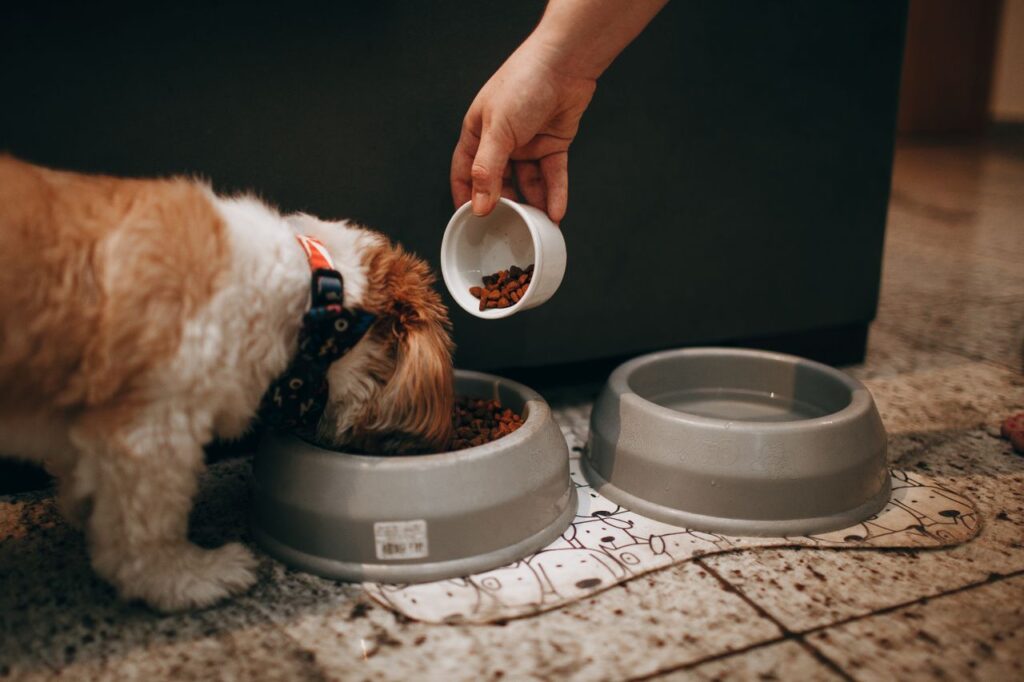
How to Choose Dog Food with Confidence
Rather than getting caught up in marketing claims, start with your dog.
Consider their age, breed, size, activity level, health conditions, allergies, and any known food sensitivities.
Then turn the bag over.
Read the life-stage recommendation, review the ingredient list, check the guaranteed analysis, and compare the feeding guidelines. Once you’ve narrowed your choices, pick one that seems like a good fit and give it a fair trial.
If your dog has ongoing allergies, digestive issues, kidney disease, weight concerns, or another medical condition, your vet can help you choose the most appropriate diet. For a healthy adult dog, consistency is often more important than chasing the “perfect” formula.
No dog food label can guarantee how your dog will respond. The best approach is to introduce new food gradually and monitor your dog’s appetite, energy level, stool, coat, and weight over time.
Those real-world results will tell you far more than any marketing claim ever could.