
This post may contain affiliate links. I only recommend products I use and love. Read the full disclosure here
Updated on: August 20, 2026
Originally published on: August 20, 2026
A bathtub replacement can make a big difference in how your bathroom looks, feels, and functions. Whether your current tub is showing its age, becoming harder to get in and out of, or simply doesn’t work well with the rest of the space, replacing it gives you a chance to solve those problems and make a few practical updates along the way.
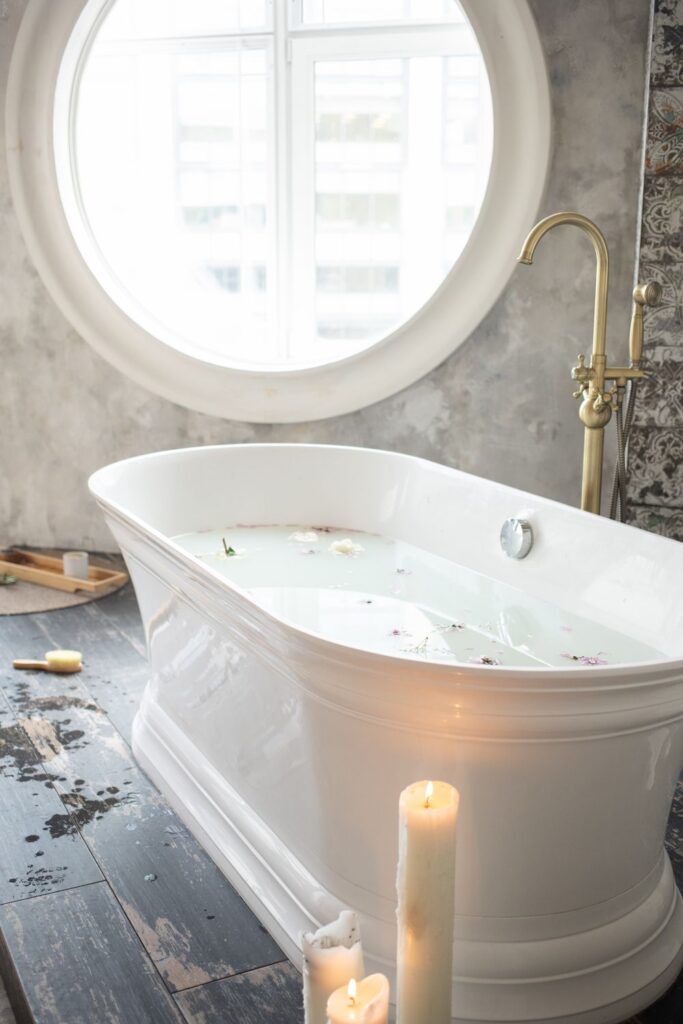
Of course, there’s more to think about than simply choosing a new tub. The size and layout of your bathroom, safety, materials, installation requirements, and your budget all come into play. Taking a little time to think through these details before the project begins can make the process much smoother and help you end up with a bathroom that actually works for your household.
A successful tub remodel also means taking a good look at everything around the bathtub. The plumbing, walls, flooring, storage, and accessibility can all affect the project. And because costs can change depending on the materials you choose, the amount of labor involved, and whether any repairs or structural changes are needed, it helps to know what you’re getting into before the old tub comes out.
Why Homeowners Replace a Bathtub
Sometimes replacing a bathtub is simply about appearance. An older tub may be stained, scratched, chipped, or so worn that no amount of scrubbing seems to make much difference.
But there are also times when the problem goes beyond looks.
Cracks, slow or poor drainage, damaged grout, a weak tub floor, or a tub that shifts when you step into it can all be signs that it’s time to take a closer look. Changing mobility needs can be another reason to consider a replacement, especially if getting in and out of the current tub has become difficult.
Pay attention to the area around the bathtub, too. Soft flooring, musty odors that keep returning, loose fixtures, water stains on nearby walls or ceilings, and cracked surfaces can all point to moisture or other problems hiding where you can’t easily see them.
A cosmetic problem may be something you can repair. A leak, damaged floor, or unstable tub is a different story and should be addressed before it has a chance to cause more damage.
What to Check Before Choosing a New Tub
Before you start shopping, grab a measuring tape and take a good look at the space you already have.
Measure the bathtub opening, wall height, door clearance, plumbing wall, and drain location. If you’re thinking about choosing a wider or deeper tub, measure the available floor space around the existing one as well.
And don’t stop measuring at the bathroom door.
Think about how the new bathtub is going to get from the entrance of your home all the way into the bathroom. A tub can fit perfectly into its alcove but still be a nightmare to maneuver through a narrow hallway, doorway, or tight corner.
It’s also a good idea to take plenty of photos before any work begins. Photograph the existing bathtub, surrounding walls, flooring, windows, outlets, cabinets, plumbing fixtures, valves, and drain area. If you’re working with a contractor, those photos may help identify potential problems before demolition begins.
How Bathroom Layout Affects the Project
It’s easy to get caught up in the style of a new bathtub, but the way it fits into the bathroom matters just as much.
A deeper or wider tub might sound wonderful until you realize you’ve lost valuable floor space or made it harder to move around the room. Think about the space needed to comfortably enter and exit the bathtub, clean around it, or help another person when necessary.
The rest of the bathroom matters, too. Door swings, vanity corners, toilet placement, cabinets, and shower doors can all interfere with movement if the new tub takes up more space than the old one.
Before choosing a tub, take a minute to think through a few practical questions:
- Can the bathroom door open fully without hitting the tub or blocking someone inside?
- Is there enough standing room beside the bathtub and near the controls?
- Can you put down a bath mat without creating a tripping hazard?
- Will cabinets, shelves, storage, or glass shower doors get in the way?
These aren’t necessarily the fun parts of planning a bathroom update, but they’re the details you’ll notice every day once the project is finished.
Safety Features Worth Considering
Safety upgrades don’t have to make your bathroom look cold or clinical. In fact, many of the most useful features blend right into the design.
A textured tub floor can provide better footing, while a handheld showerhead makes bathing and rinsing easier. Easy-to-reach controls, brighter lighting, and storage that keeps toiletries within comfortable reach can also make the bathtub more convenient to use.
If the walls around the bathtub will be opened during installation, this is also a good time to think ahead. Adding blocking behind the walls for future grab bars can make installing them much easier later, even if you don’t need them right now.
Permanent grab bars need to be attached to suitable structural support. Suction-cup handles can provide some light balance assistance, but they shouldn’t be treated as dependable weight-bearing supports.
Choosing Materials That Fit Daily Life
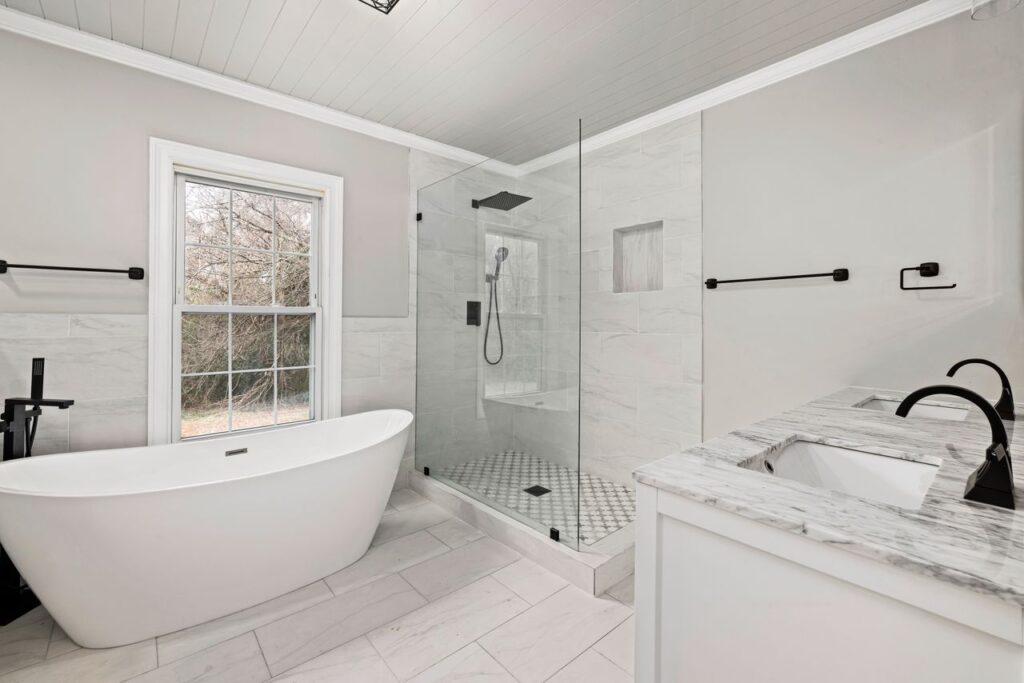
The material you choose affects more than how the bathtub and surrounding walls look. It can also make a difference in durability, comfort, cleaning, and maintenance.
Common Tub and Wall Materials
- Acrylic: Lightweight, available in lots of shapes and styles, relatively easy to clean, and usually warmer to the touch than some other materials.
- Fiberglass: A lightweight and often budget-friendly choice, although it can show signs of wear sooner in a heavily used bathroom.
- Porcelain-coated metal: Durable with a classic look, but heavier than acrylic or fiberglass and susceptible to chipping if the surface is hit hard.
- Tile: Available in an almost endless range of colors and styles, although those grout lines require regular cleaning and maintenance.
- Solid-surface wall panels: Smooth surfaces with fewer seams, making them an appealing choice if easier cleaning is high on your priority list.
Think about everyday life in your home rather than choosing a material based only on how it looks in a showroom.
If several people use the bathroom every day, smooth surfaces with fewer seams may be easier to keep clean. If you’re someone who actually uses the tub for long baths, you may care more about depth, back support, and how well the material holds heat.
Be sure to check the manufacturer’s cleaning recommendations, too. Some surfaces can be damaged by abrasive scrubbers or harsh cleaning products, which is something you’ll want to know before you buy rather than after the first deep cleaning.
Don’t Forget About Moisture and Ventilation
Any time you’re replacing a bathtub, it’s worth paying attention to moisture and ventilation while you’re at it.
Check around the existing tub for damaged caulk, loose tiles, discolored grout, peeling paint, or soft flooring. These can all be signs that water has been getting somewhere it shouldn’t.
If the old bathtub is removed and you find moisture damage behind the walls or underneath the tub, the source needs to be found and repaired before the new materials go in. Covering the damage won’t make the underlying problem disappear.
Good ventilation is important as well. A properly working bathroom exhaust fan helps remove the humid air created by baths and showers. Ideally, that moisture should be vented outside rather than into an attic or another enclosed area.
Taking care of moisture problems now can help protect your new bathtub, walls, flooring, and other bathroom materials later.
How to Build a Realistic Replacement Budget
The price of the bathtub itself is only part of what you may spend on the project.
Your budget may also need to include removal and disposal of the old tub, plumbing work, new fixtures, wall repairs, waterproofing, flooring repairs, permits, labor, and cleanup. If demolition uncovers water damage, an uneven subfloor, or plumbing that needs attention, those repairs can affect the final cost as well.
That’s why a national average can only tell you so much. The type of bathtub, condition of the existing bathroom, materials you choose, and amount of work involved can all change the price.
Getting detailed, written estimates based on your actual bathroom will give you a much better idea of what to expect.
Organize Spending by Priority
One simple way to keep the budget under control is to divide your spending into three groups:
- Required work: Demolition, installation, plumbing, waterproofing, and repairs that need to be completed properly.
- Useful upgrades: Grab bars, better lighting, shelving, a handheld showerhead, or additional storage.
- Style choices: Decorative trim, specialty fixtures, upgraded finishes, and doors.
If an unexpected repair pops up once the old bathtub is removed, you’ll already know which expenses are essential and which ones you can adjust if necessary.
Replacement, Refinishing, Liner, or Conversion?
Replacing the entire bathtub isn’t always the only option.
Refinishing can make sense when the existing tub is structurally sound but has surface stains, discoloration, or minor finish damage. It can give an older bathtub a fresher appearance without removing the entire unit.
A bathtub liner is another possibility. A liner fits over the existing tub and can update its appearance with less demolition.
However, neither option is designed to fix every problem. If you’re dealing with hidden moisture, drainage issues, a damaged tub base, plumbing problems, or a subfloor that needs repair, covering the existing bathtub won’t solve what’s happening underneath it.
In those situations, a full replacement may be the better choice because the damaged areas can be accessed and repaired before the new bathtub is installed.
A tub-to-shower conversion is another option, particularly for someone who rarely takes baths or finds stepping over the side of a bathtub difficult.
Before removing the only bathtub in your home, though, think about who uses it. Families with young children and people who enjoy taking baths may still get plenty of use from keeping at least one tub.
A Simple Bathtub Replacement Planning Process
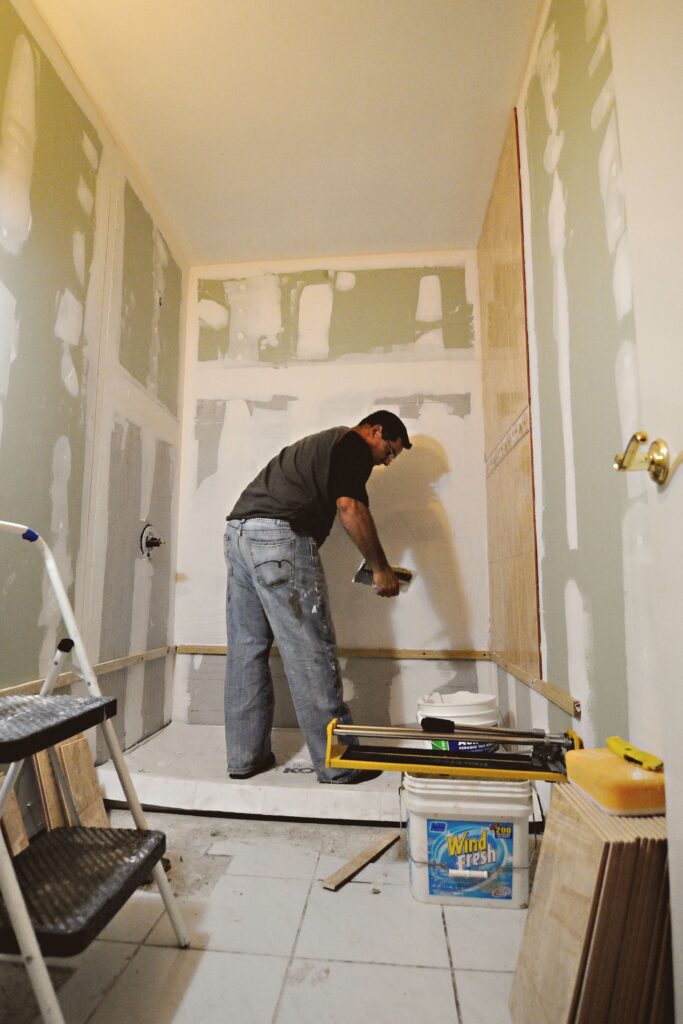
There’s a lot to consider, but breaking the project down into a few basic steps can make it feel much more manageable.
- Make a list of the functional and safety problems with your current bathtub.
- Measure the bathroom and take photos of the existing setup.
- Decide whether repair, replacement, or conversion makes the most sense.
- Identify the comfort and safety features that matter most to your household.
- Request detailed, itemized written estimates so you know what is included.
- Confirm permits, scheduling, bathroom access, cleanup responsibilities, and warranty terms before work begins.
- Inspect the completed work before making the final payment.
Having these details figured out ahead of time can help the project run more smoothly and make it easier to deal with any unexpected issues that come up along the way.
Final Planning Tips
A bathtub replacement should solve an existing problem without creating a new one.
Start with accurate measurements, realistic priorities, and a budget that leaves a little room for necessary repairs. Think about how much maintenance you’re willing to do, how easy the bathtub will be to use, and whether your household’s needs could change over the next several years.
And while it’s tempting to make every decision based on appearance, don’t forget about the things that will matter once you’re actually living with the finished bathroom. Easy-to-clean surfaces, enough room to move comfortably, good ventilation, accessible storage, and a bathtub that fits your everyday routine can matter just as much as the color or style.
By considering safety, layout, materials, maintenance, comfort, and budget together, you can choose a bathtub that doesn’t just give the bathroom an updated look. You’ll end up with a space that’s more comfortable, practical, and easier to enjoy for years to come.