
This post may contain affiliate links. I only recommend products I use and love. Read the full disclosure here
Living rooms have a funny way of feeling stale even when nothing is actually broken. Maybe the furniture has drifted toward the walls, the coffee table has become a drop zone, or the room simply looks the same every time you walk in. Sound familiar? Sometimes, all it takes to refresh a living room is looking at what you already have a little differently.
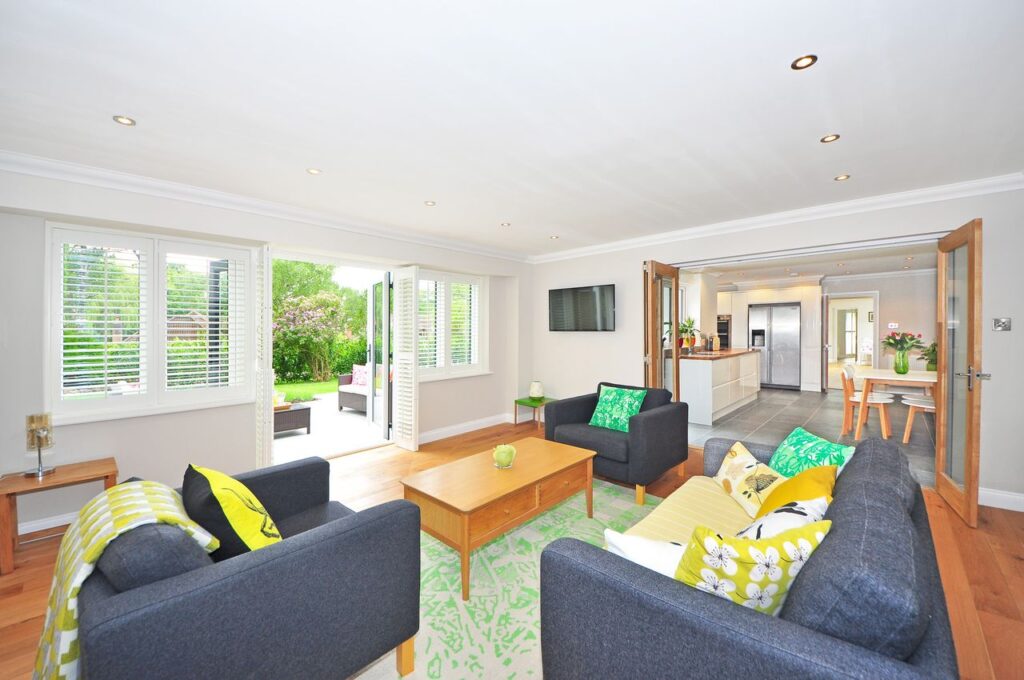
The good news is that you don’t need a full makeover. A few thoughtful changes can make the room feel warmer, easier to use, and more like the people who live there.
If the sofa is the one piece you want to rethink, browsing the shapes, raised bases, wood details, and upholstery colors seen in mid century modern couches can help you name what you like before you buy. Treat the page as a mood-board stop, then bring those ideas back to the furniture and colors already in your room.
1. Clear One Landing Zone
Don’t start by emptying the entire room. Starting small with one surface that you see and use every day, such as the coffee table, a side table, or the console by the door, can make the job feel much more manageable. Put away the mail, stray chargers, cups, and anything else that landed there by accident.
Once the surface is clear, add back only what earns the space. A small tray, a favorite book, and one useful object may be plenty. That single open area gives your eyes a place to rest and makes the whole room feel less crowded.
This is also a useful test. If the clutter returns within a day, the problem is probably not tidiness. The items need a nearby drawer, basket, hook, or charging spot that is easier to use than the table.
2. Move the Furniture Before Buying More
Furniture often stays in the first place it was put, even after the way a room is used has changed. Pull the sofa a few inches away from the wall, angle a chair toward it, or move a side table to the seat where someone actually needs a drink.
Aim for a setup that makes conversation comfortable. People should not have to call across the room, twist around a lamp, or squeeze past a sharp corner. Leave a clear route from the doorway to the main seat and from the seating area to any frequently used cabinet or patio door. And when you’re moving larger pieces around, it’s also a good time to think about furniture safety, especially in homes with young children.
Before you buy another chair, take a second look at the one sitting alone beside the window. Moving it into the conversation may be all the room needs.
3. Choose a Simple Color Thread
A room can hold several colors and still feel connected. Choose one shade that already appears in something you plan to keep, then repeat it two or three times in small ways. The color might come from a rug, artwork, a ceramic bowl, or even the leaves of a houseplant.
You don’t need to match everything exactly. Rust can sit beside terracotta, and olive can pair with moss or sage. Slight variations feel relaxed and collected, while exact matches can start to look like a packaged set.
If the room already has a lot of color, use a material as the thread instead. A few touches of warm wood, black metal, woven fiber, or creamy linen can pull the pieces together without adding another strong hue.
4. Give the Room More Than One Kind of Light
One ceiling fixture asks a lot from a single bulb. It may light the floor well enough, but it rarely makes a living room feel inviting at the end of the day.
Try placing light at different heights. A floor lamp can brighten a dark corner, while a table lamp makes reading easier and adds a softer pool of light near the sofa.
If a lamp is beautiful but no one can reach the switch, move it. Useful lighting is more likely to become part of the room’s daily rhythm.
Pay attention to the bulbs as well. When one lamp looks icy blue and another looks golden, the room can feel unsettled. Bulbs with a similar color temperature usually make the space feel more consistent.
5. Mix Curves With Straight Lines
Most living rooms already contain plenty of rectangles: the sofa, rug, television, windows, books, and tables. Adding one or two curved shapes can loosen up all those hard edges.
A round tray, bowl, lamp base, or small side table can do the job. You don’t need to replace a large piece. Even a rounded pillow or an arched mirror can keep the room from feeling like a stack of boxes.
The same idea works in reverse. If the room is filled with puffy upholstery and circular accents, one slim rectangular table or a framed piece of art can add definition.
6. Add Texture Where You Notice It
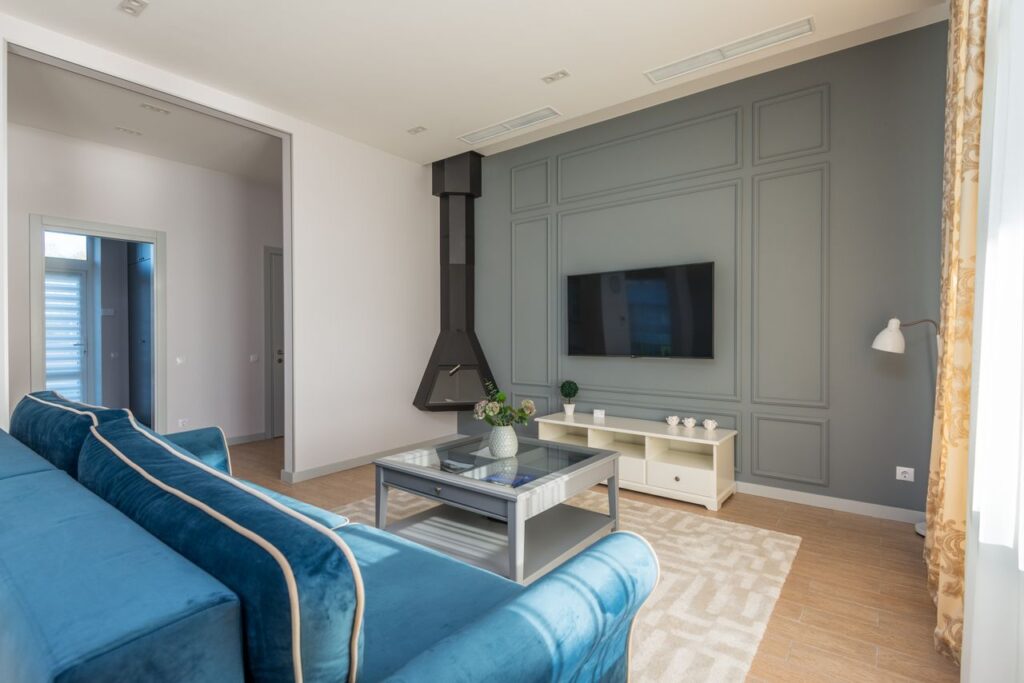
Texture is most useful where you can feel it. Think about the rug under bare feet, the pillow at your back, the throw you reach for during a movie, or the basket you touch when putting away toys.
Choose a few materials that feel good in real life, not only in a photo. A chunky throw may look cozy but shed on dark clothes.
A delicate rug may feel lovely but become frustrating near a busy doorway. The best texture for your room is one that can handle the way your household lives.
Try balancing smooth and rough surfaces. A soft textile can warm up a wood or glass table, while a simple ceramic piece can calm a pile of fluffy pillows.
7. Make Clutter Easy to Put Away
Every living room has everyday stuff. Remote controls, game controllers, pet toys, blankets, school papers, and half-finished craft projects do not disappear because the room has been styled.
Give those items homes close to where they are used. A lidded basket beside the sofa is more helpful for blankets than a closet down the hall.
A small box inside a drawer can keep chargers together. A tray can hold remotes while leaving plenty of open space on the coffee table.
The storage does not have to hide every trace of life. It only needs to make the five-minute evening reset easy enough that someone will actually do it.
Know When to Stop
Refreshing a room can become another form of clutter if every empty spot gets filled. After making a few changes, leave the space alone for several days. Notice where people sit, what they reach for, and which surfaces stay clear.
If the room feels comfortable and easy to move through, it may already be finished. Homes are allowed to have blank walls, open tabletops, and pieces that do not belong to a matching set.
Give it a try tonight with one landing zone and one furniture move. Those two changes will tell you more about what the room needs than a cart full of new accessories.