
This post may contain affiliate links. I only recommend products I use and love. Read the full disclosure here
Updated on: October 14, 2026
Originally published on: October 14, 2026
Your home exterior takes a beating. Hot summers, heavy rain, wind, hail, and winter freeze-thaw cycles can wear down roofing and siding faster than many homeowners expect. Home exterior damage often starts with small issues that look harmless, then turns into expensive repairs when moisture gets behind the surface.
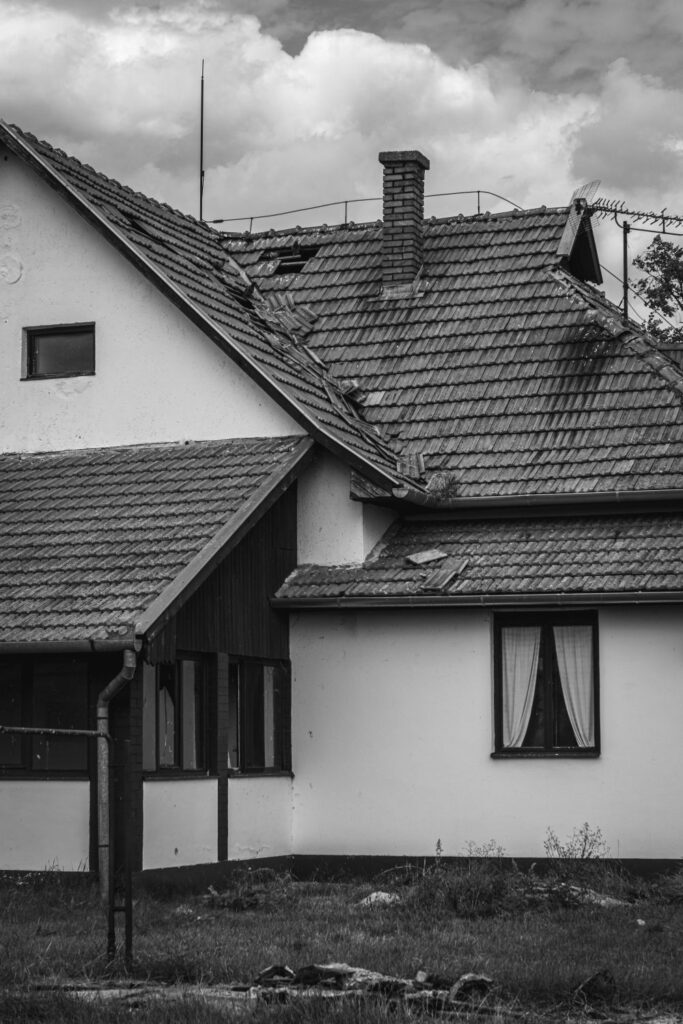
If you want to protect your home without guessing, it helps to know what damage looks like, what causes it, and when patchwork stops being enough. Recognizing those warning signs early can help you decide whether a targeted repair will do the job or a bigger update makes more sense.
Choosing the right contractor can shape the whole outcome
Not every contractor approaches exterior work with the same level of care. Some focus on speed and volume. Others actually investigate the condition of your home and explain your options clearly.
If you’re comparing companies, look for a contractor who handles both roofing and siding, understands storm-related issues, and works in your local climate. For homeowners evaluating a roofing and siding contractor in Louisville, it helps to choose a team familiar with the area’s weather patterns, material performance, and common repair scenarios.
Ask practical questions:
- What caused the damage?
- Is this repair likely to hold long term?
- Are nearby materials also failing?
- What product options fit my budget and goals?
- How will ventilation and drainage be addressed?
Good answers are specific. Vague answers usually cost more later.
Your roof and siding usually warn you before they fail
Most major exterior problems don’t appear out of nowhere. Your house tends to drop hints first. You might notice a shingle that looks curled, siding that seems loose near a corner, or paint bubbling where it used to sit flat.
These signs matter because exterior materials are part of one connected system. When one section weakens, water and air start testing every gap like they’re trying out for a demolition crew.
Watch for issues such as:
- Missing or cracked shingles
- Granules collecting in gutters
- Warped, split, or faded siding panels
- Dark streaks, mildew, or soft spots
- Trim pulling away from the wall
- Higher energy bills without a clear reason
None of these automatically means full replacement. They do mean your home is asking for a closer look, not a hopeful shrug.
Weather damage is rarely as obvious as you think
After a storm, many homeowners check for dramatic damage and move on if nothing looks catastrophic. That’s understandable, but storm-related wear often hides in plain sight. Wind can loosen shingles without tearing them off. Hail can bruise roofing materials in ways that shorten their lifespan long before leaks show up.
Siding can have similar problems. A crack from flying debris may look minor, yet it can give water a path behind the panel. Once moisture gets trapped, you’re dealing with more than curb appeal.
In places with shifting temperatures and regular storms, timing matters. A prompt inspection can catch hidden trouble before insulation, sheathing, or framing gets involved. Exterior repairs are rarely cheaper after a few months of “keeping an eye on it.” Homes are patient; damage isn’t.
Quick repairs work best when the damage is truly isolated
A targeted repair makes sense when the issue is small, recent, and limited to one area. Think a few shingles blown off by wind, a single piece of damaged siding, or flashing that came loose around a vent.
The key word is isolated. If the same problem keeps popping up, the repair may be treating the symptom instead of the cause. Repeated leaks near roof valleys, recurring moisture around windows, or several sections of brittle siding usually point to broader wear.
A good contractor won’t just patch what you can see. They’ll check nearby materials, ventilation, drainage, and structural condition. That approach saves you from paying twice for the same problem.
Quick fixes have a place. They just shouldn’t become a long-term strategy held together by sealant, optimism, and a ladder from 2009.
Age changes what makes financial sense
Even well-installed exterior materials don’t last forever. Asphalt shingles often last around 20 to 30 years, depending on product quality, ventilation, and weather exposure. Siding lifespan varies widely by material, maintenance, and installation quality.
Once your roof or siding gets close to the end of its expected service life, repair decisions become less simple. You might be able to fix one section, but if the surrounding materials are worn out, that repair may buy only a short stretch of time.
That’s where cost analysis matters. Compare:
- The price of the immediate repair
- The chance of more repairs in the next one to three years
- Potential interior damage from delay
- Energy efficiency losses
- The value boost from updated exterior materials
Sometimes replacement feels expensive because the number is bigger. Multiple smaller repairs can quietly become the more costly route.
Moisture problems spread faster than most people realize
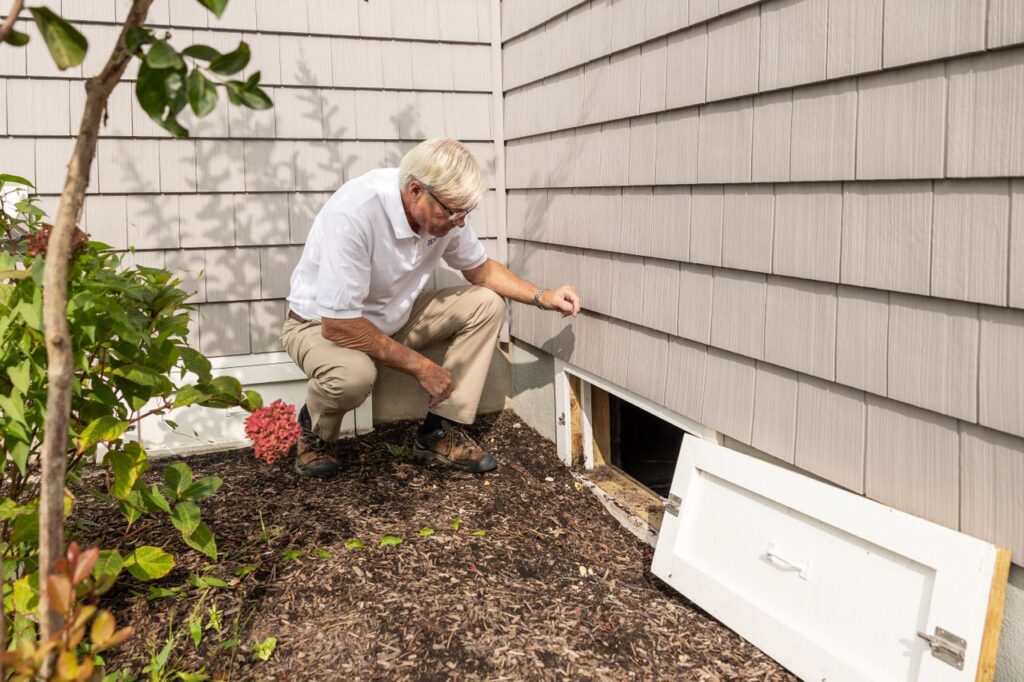
Water is the main villain in exterior deterioration, and it doesn’t need much space to cause trouble. A tiny entry point around damaged shingles or siding can soak underlayment, decking, insulation, and framing over time.
You may first notice the result indoors: a ceiling stain, musty smell, peeling paint, or a draft near an exterior wall. By then, the problem may have been developing for weeks or months.
Once you discover a leak, fixing the entry point is only part of the job. Wet materials also need to dry thoroughly, ideally within 24 to 48 hours, to help prevent mold growth. Painting over a stain or sealing the visible gap won’t resolve moisture that’s still trapped behind the surface.
This is one reason exterior inspections matter even when your home still “looks fine” from the curb. Surface appearance can hide deeper issues. In some cases, a home with only light visible damage may have significant moisture intrusion behind the siding or beneath the roofing layers.
If you’re seeing any indoor signs tied to exterior walls or the roofline, treat them as a house-wide concern, not just a cosmetic annoyance. Moisture loves to travel.
Material choices affect maintenance, energy use, and resale appeal
If your home needs more than a repair, the replacement materials you choose will influence more than appearance. Roofing and siding products vary in durability, wind resistance, insulation value, color retention, and maintenance needs.
For example, architectural shingles often provide a stronger profile and longer lifespan than basic three-tab shingles. Vinyl siding is popular because it’s relatively low maintenance, while fiber cement tends to offer strong durability and a more solid appearance.
You should also think about the full picture:
- -How much maintenance are you willing to do?
- Does your home get intense sun or storm exposure?
- Are you planning to sell in a few years?
- Do you want better energy performance?
The best-looking option isn’t always the smartest one. A balanced choice fits your climate, your budget, and the amount of upkeep you can realistically tolerate.