
This post may contain affiliate links. I only recommend products I use and love. Read the full disclosure here
Updated on: October 14, 2026
Originally published on: October 14, 2026
If you’ve only had kofta kebabs from a restaurant grill, making homemade kofta kebabs can seem a little risky at first. Ground meat on skewers has a reputation for falling apart, drying out, or tasting flat. The good news is that none of those problems are hard to fix. With the right meat mix, seasoning, and cooking method, you can make kofta that’s juicy, deeply seasoned, and actually worth repeating on a busy weeknight.
What kofta kebabs are and why they’re so satisfying
Kofta kebabs are seasoned ground meat shaped around skewers or formed into logs, then grilled, broiled, or pan-cooked. You’ll usually see them made with lamb, beef, or a mix of both. The texture lands somewhere between a meatball and a burger, but with more spice and a better crust.
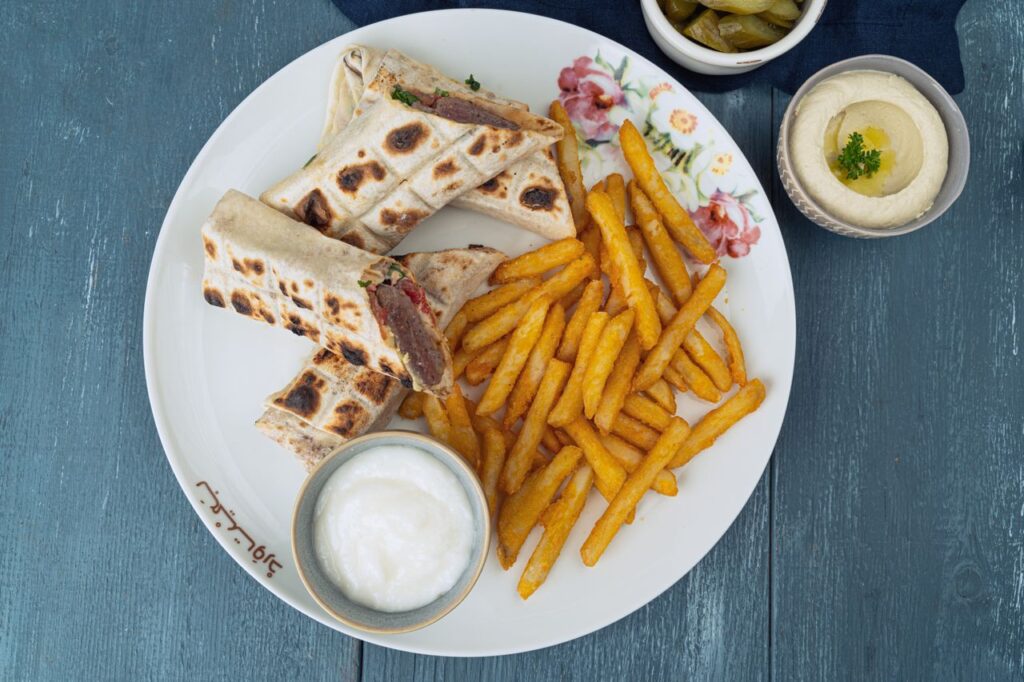
Part of the appeal is how adaptable they are. You can tuck them into flatbread, pair them with rice, or serve them with a chopped salad and yogurt sauce. They also cook fast, which matters when you’re hungry and patience has officially left the building.
A solid homemade kofta kebabs recipe usually focuses on balance: enough fat for moisture, enough seasoning for depth, and enough structure to hold together during cooking. Get those three right, and the rest feels surprisingly easy.
Pick the right meat if you want juicy results
Lean ground meat sounds healthy, but it’s not your friend here. Kofta needs fat to stay tender. If you use very lean beef, the kebabs can turn firm and dry before they ever get a good sear.
Aim for ground meat with at least 15 to 20 percent fat. Ground lamb is a classic choice because it brings richness and a little earthiness. Ground beef works well too, especially if you want a milder flavor or easier grocery-store access. A half-and-half mix gives you the best of both worlds.
Texture matters just as much as flavor. If the grind is too coarse, shaping gets trickier. If it’s too fine, the kebabs can feel dense. Standard grocery-store ground meat is usually fine for home cooking.
If you can, keep the meat cold while mixing. Warm fat turns sticky in the wrong way and makes shaping messy. Cold meat gives you cleaner handling and better structure.
Seasoning is where homemade kofta either shines or disappoints
Kofta should taste bold. Not chaotic, not salty for the sake of drama, just properly seasoned all the way through. Onion, garlic, cumin, coriander, parsley, and black pepper are common building blocks. Some versions add cinnamon, paprika, allspice, or Aleppo pepper for warmth and a little edge.
The biggest mistake is adding too much moisture from grated onion or herbs without adjusting the mix. If the onion is very wet, squeeze it first. Extra liquid can make the kebabs soft and more likely to slip off skewers.
Salt needs attention too. Underseasoned kofta tastes like a missed opportunity. If you’re unsure, cook a tiny test piece in a skillet before shaping the full batch. It’s a small step, but it saves you from serving six kebabs that need rescuing with sauce.
Fresh herbs help, though dried spices do most of the heavy lifting. Think layered flavor, not spice-cabinet confetti.
How to mix and shape the meat without making it tough
Once your ingredients are ready, mix the meat just until it becomes cohesive. You want the seasonings evenly distributed, but you don’t want to knead it like bread dough. Overmixing compresses the proteins and leaves you with dense kebabs.
Using your hands works best. It’s faster, and you can feel when the mixture starts holding together. After mixing, let it rest in the fridge for 20 to 30 minutes if you have time. That short chill firms things up and makes shaping easier.
For shaping, wet or lightly oil your hands. Form the meat around flat metal skewers if you have them, pressing firmly so it adheres. No skewers? Shape the mixture into sausage-like logs and cook them that way. You’ll still get great flavor.
Don’t make them too thick. A moderate shape cooks more evenly and gives you more browned surface area, which is where the best flavor lives.
What to serve with kofta so the meal feels complete
Kofta is rich and savory, so it benefits from fresh, cool sides. A yogurt sauce with lemon, garlic, and cucumber adds contrast. Hummus works too, especially if you want a heartier plate.
For starch, you’ve got options:
- Warm pita or flatbread
- Rice pilaf or plain basmati rice
- Roasted potatoes
- Couscous or bulgur
Fresh vegetables keep the plate from feeling heavy. Try chopped tomato and cucumber salad, thinly sliced red onion, or crunchy lettuce with herbs. Pickled onions are especially good if you like a sharp bite against the meat.
You can also turn kofta into a build-your-own dinner. Set out breads, sauces, herbs, and vegetables, then let everyone assemble wraps or bowls. It’s casual, easy to scale, and a lot more interesting than another plain ground beef dinner.
Common kofta mistakes and how to avoid them
A few small mistakes can derail the whole batch, but they’re easy to catch once you know what to watch.
Here are the usual trouble spots:
- Meat too lean: leads to dry, crumbly kebabs
- Mixture too wet: makes shaping harder and weakens structure
- Overmixing: creates a dense, rubbery texture
- Oversized kebabs: brown outside before cooking through
- Low heat: prevents a proper crust
- Moving them too early: causes sticking or breakage
Another issue is treating kofta like burgers and cooking by guesswork. Use a meat thermometer to check the center of the thickest kebab rather than relying on its color or browned exterior. Kofta made with ground beef, lamb, or a combination of both should reach 160°F.
Once they reach that temperature, take them off the heat so extra cooking doesn’t dry them out. That way, you can serve them safely while keeping the juicy texture you worked for.
If a batch falls apart, don’t panic. Cook it like seasoned ground meat in a skillet, pile it into pita, and call it a tactical pivot. Dinner survives.
Why kofta is worth adding to your regular recipe rotation
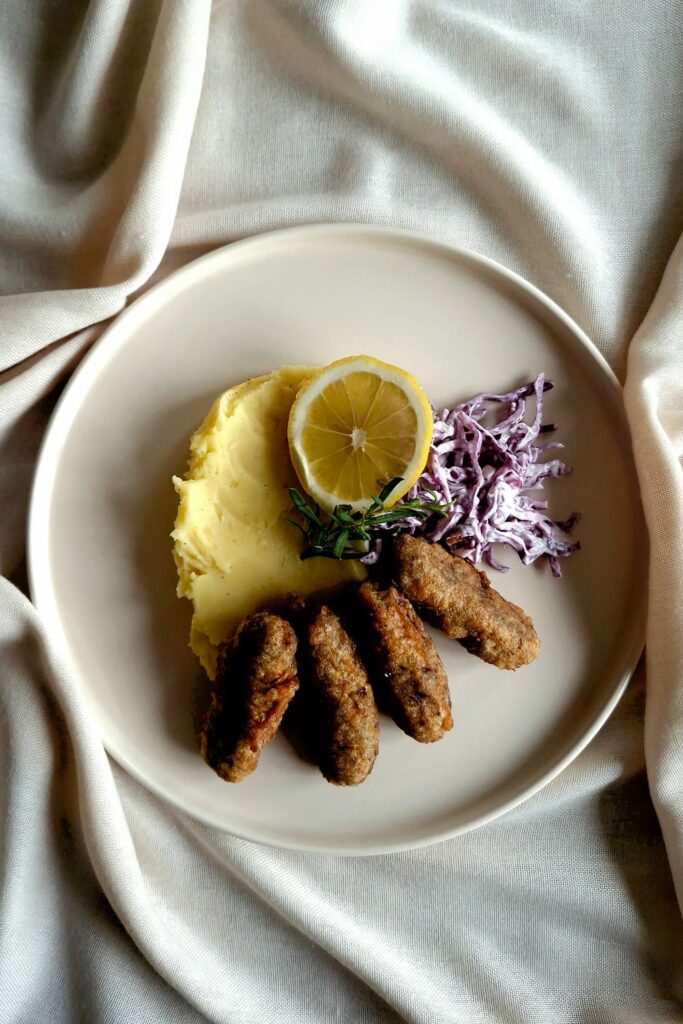
Kofta earns repeat status because it hits a rare sweet spot: fast, flavorful, and flexible. You can prep it ahead, change the spice profile, and serve it in different ways without getting bored. It also makes good use of ground meat without tasting like every other ground meat meal.
For weeknights, that matters. You want recipes that feel a little special without creating a sink full of regret. Kofta delivers on that front. It’s also great for casual gatherings since it cooks quickly and doesn’t need much fuss once the mixture is made.
If you’ve wanted to expand your home cooking beyond the usual burgers, tacos, and pasta routine, kofta is a smart next step. It’s approachable, but it still feels like you know exactly what you’re doing. Sometimes dinner could use that kind of confidence boost.