
This post may contain affiliate links. I only recommend products I use and love. Read the full disclosure here
Updated on: April 29, 2026
Originally published on: April 29, 2026
Outdoor spaces deserve patio furniture that lasts through sun, rain, snow, and everything in between. Selecting pieces that survive seasonal shifts takes more than a good eye for style. It calls for careful thought about materials, construction methods, and upkeep routines.
This guide walks readers through what genuinely matters when investing in patio furniture built for year-round performance, helping homeowners make choices they won’t second-guess after one brutal winter or a sticky summer.
Why Seasonal Durability Matters
Patio furniture takes a beating from shifting weather. UV rays wash out colors, moisture invites mold, and freezing nights crack weaker materials. Research from the Outdoor Furniture Manufacturers Association indicates that well-made outdoor pieces can hold up for 15 years or longer with proper care, while budget options often give out within three seasons. That gap turns durability into a financial question, not just a comfort one.
Homeowners who ignore seasonal factors tend to replace sets every couple of years. Choosing smartly from the start saves money, cuts down on waste, and keeps outdoor areas looking welcoming throughout the entire calendar. Shoppers browsing a reputable Memphis, TN patio furniture outlet will often spot teak sets alongside other premium hardwoods suited to Tennessee’s sticky summers and chilly winters.
Materials That Stand the Test of Time
Material choice sits at the core of long-lasting patio furniture. Each option brings strengths and weaknesses depending on the climate and how often pieces get used.
Aluminum
Aluminum frames resist rust entirely, which makes them a strong pick for humid or coastal regions. Powder-coated finishes add another shield against chipping and fading. These pieces stay light enough to move easily during storm prep or seasonal rearranging.
Teak and Tropical Hardwoods
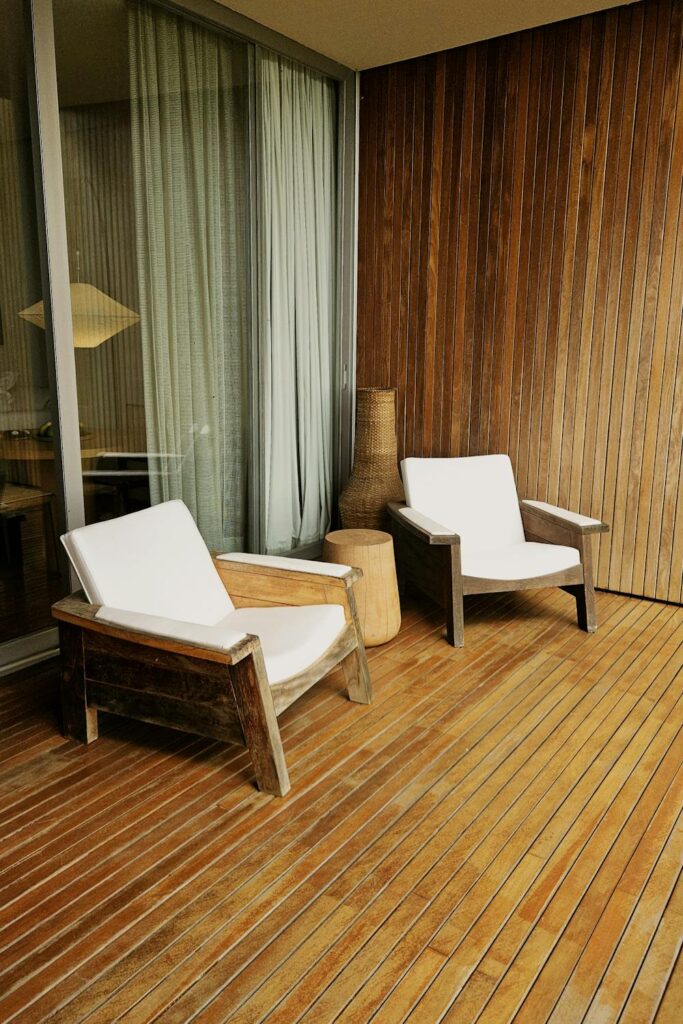
Teak carries natural oils that push away water and insects. Given time, it weathers into a silvery gray patina, though regular oiling keeps the original golden color alive. Stores typically stock pieces tested against regional weather patterns, which helps buyers match furniture to local conditions.
Wrought Iron and Steel
Iron pieces bring weight and stability, holding their ground against strong winds that toss lighter chairs across the yard. Modern steel frames finished with rust-resistant coatings perform nearly as well. Both benefit from occasional touch-ups if the protective layer ever chips.
All-Weather Wicker
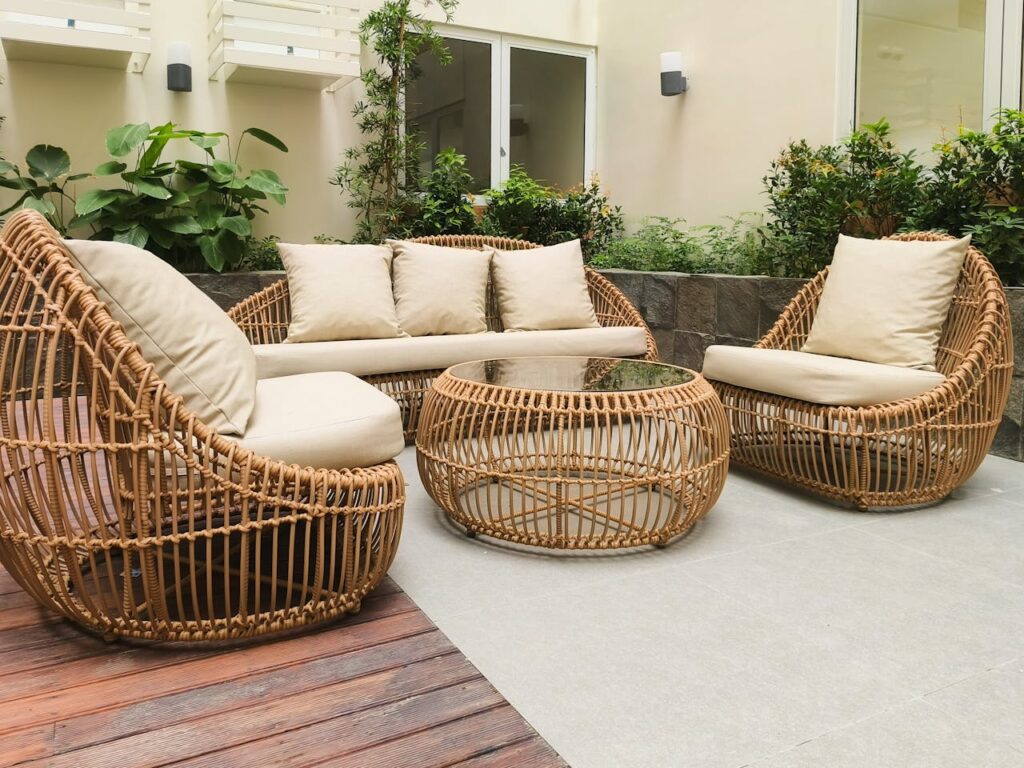
Synthetic wicker, usually woven around aluminum frames, mimics the look of natural rattan without the weakness to moisture. Quality versions use HDPE (high-density polyethylene) strands rated for years of sun exposure.
Cushion and Fabric Considerations
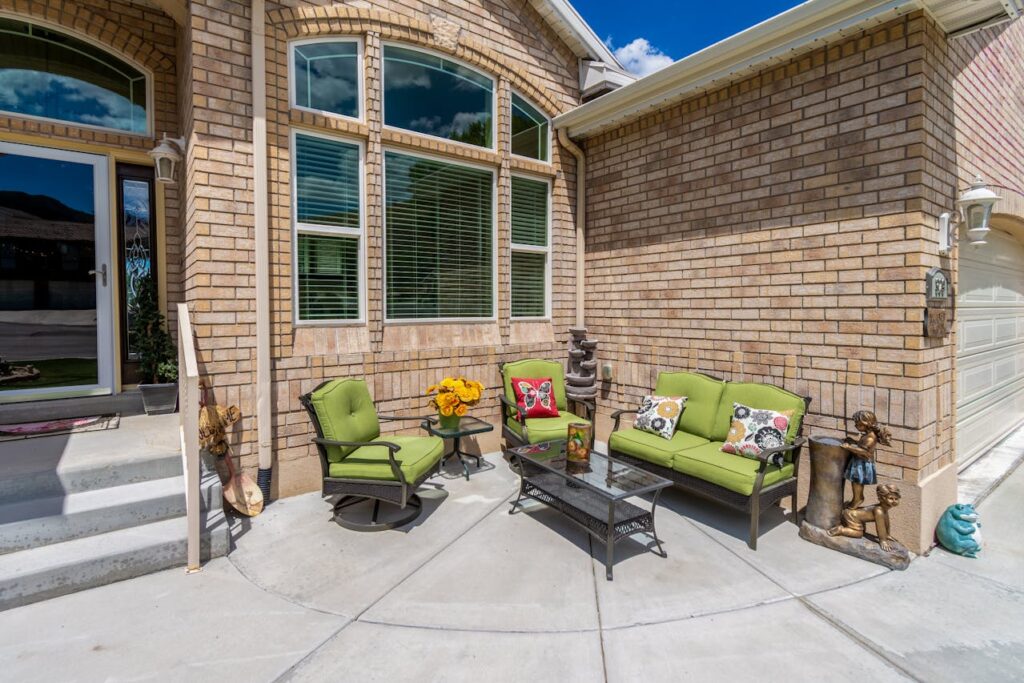
Frames tend to outlast fabrics, so cushion quality deserves equal attention. Solution-dyed acrylic materials hold color far better than standard polyester, often backed by warranties of five years or longer against fading. Quick-dry foam cores stop mildew by letting water pass through rather than soak in.
Removable covers make cleaning simple and let owners store cushions indoors during rough weather. That small design feature can nearly double the usable life of any cushion set.
Smart Design Features Worth Looking For
Beyond raw materials, thoughtful engineering separates furniture that lasts from pieces that fail early.
Drainage and Ventilation
Tables with small drainage holes stop water from pooling. Chairs with slatted seats or mesh surfaces dry faster after rain, cutting down on wood rot and metal corrosion.
Welded Joints Over Fasteners
Welded aluminum or steel joints outlast screw-assembled connections. Fasteners loosen as temperatures expand and contract the metal, while proper welds hold steady through decades of use.
Stackable or Foldable Options
Space-conscious buyers benefit from stackable chairs and foldable tables. These designs make off-season storage practical, which directly stretches furniture lifespan by limiting weather exposure.
Maintenance Habits That Extend Lifespan
Even premium furniture asks for care. Covering pieces during storms, wiping frames quarterly with mild soap, and applying protective sprays to fabrics all add years of service. A Consumer Reports survey found that regularly maintained outdoor furniture held onto 85% of its original appearance after a decade, compared with just 40% for neglected sets.
Storage matters too. Bringing cushions inside during winter or using weatherproof deck boxes help prevent avoidable wear. Small habits stack up into major savings across the years.
Budget Planning for Lasting Value
Price often reflects quality, though not always. Setting a realistic budget based on expected usage keeps buyers from both cheap disappointments and needless overspending. A mid-range set priced between $1,500 and $3,000 usually delivers the best balance of durability and design for most households. Tracking warranties, return policies, and customer reviews adds confidence to any purchase decision.
Conclusion
Buying patio furniture that survives every season comes down to informed choices. Putting weather-resistant materials, quality cushions, smart design features, and steady maintenance at the top of the list creates outdoor spaces that look great year after year. Homeowners who invest with care enjoy better value, less hassle, and more time actually using their patios.
With the right mix of research and upkeep, outdoor furniture becomes a long-term asset rather than a yearly replacement cost.