
This post may contain affiliate links. I only recommend products I use and love. Read the full disclosure here
Updated on: June 15, 2026
Originally published on: January 15, 2026
Wood is beautiful, but it does not forgive poor paint choices, especially when you want long-lasting wood paint finishes that truly hold up over time. The right coating must match the wood, the location, and the wear it will face day after day.
When durability, appearance, and protection work together, paint becomes more than color; it becomes a shield. With a smart plan, you can lock in color, protect the grain, and stretch the time between repaints while keeping wood surfaces looking sharp and well cared for.


Know Your Settings Before You Pick the Can
Start by mapping where the wood lives and how it gets used. Exterior siding and trim see wet-dry cycles, UV, and big temperature swings. Interior cabinets take bumps, oils from hands, and cleaning.
Quick environment check
- Exterior pieces need UV resistance, flexibility, and strong adhesion.
- Kitchens and baths need moisture tolerance and easy-clean surfaces.
- High-touch trim needs hardness to resist scuffs and dents.
Alkyd, Acrylic, or Hybrid – What Actually Matters
Traditional alkyds cure hard and level well, but they can yellow and have more odor. 100% acrylics flex with wood and handle sun and rain, but they can feel softer on trim. A hybrid waterborne alkyd splits the difference – it flows and levels like oil while cleaning up with water.
A practical overview noted that waterborne alkyds can be a smart compromise on trim where you want durability and easier cleanup, without going full oil. One guide from EngineerFix highlighted this hybrid space as a balanced option for interior or exterior trim when you need harder wear with simpler maintenance.
The Anchor Decision – When to Level Up Your Trim
Trim and doors get constant contact, so they need a smoother, tougher film. Many painters choose hybrid waterborne alkyds for this zone because of their flow, hardness, and cleaner application. For deeper product research and spec sheets, you can explore RMP Finishes and similar companies mid-project to compare primers, sealers, and topcoats that match your use case. That quick check can keep your system consistent across rooms and updates.
VOCs and Compliance – What the Label is Really Telling You
Volatile organic compounds are regulated for health and air quality. Labels list VOC content so buyers and pros can compare products. Lower VOC often brings lower odor and can reduce environmental impact.
Rules published in the Code of Federal Regulations spell out how VOC limits are measured in grams per liter, excluding water and certain exempt compounds, so you can compare coatings on a fair basis. That standardized method helps you choose a low-VOC product with confidence while still meeting performance needs for your project.
Build a System, Not Just a Single Coat
A lasting finish starts with a plan that includes prep, primer, and topcoat. Clean off chalk, dust, and oils so the film can grab the surface. Sand to remove sheen and open pores for better bonding.
Pick a primer that fits the wood and the topcoat. For bare softwoods, a stain-blocking primer can slow bleed that would otherwise telegraph through paint. Top off with 2 finish coats, allowing full dry time, so the film reaches its designed thickness.
Wood Species, Movement, and Moisture
Wood moves with humidity. Paint that is too brittle will crack on joints and end grain. Paint that is too soft may scuff or block when doors close.
- Pine knots can bleed through light colors if not sealed properly.
- Oak’s open grain benefits from a filler or heavier-build primer for a smoother look.
- End grain soaks up coatings fast – seal it to slow water uptake and swelling.
Finish Qualities to Match the Job
Sheen changes both look and durability. Gloss and semi-gloss resist stains and wipe clean fast. Satin and eggshell hide small surface flaws but can scuff sooner on baseboards and casings.
Film build matters more than most people think. Two properly applied finish coats outlast one heavy coat since staged layers cure better and flex with the wood. Do not skip recoat windows – late recoats can cause poor adhesion or print-through that shortens the life of the finish.

Real World Pick – Waterborne Alkyd on Trim
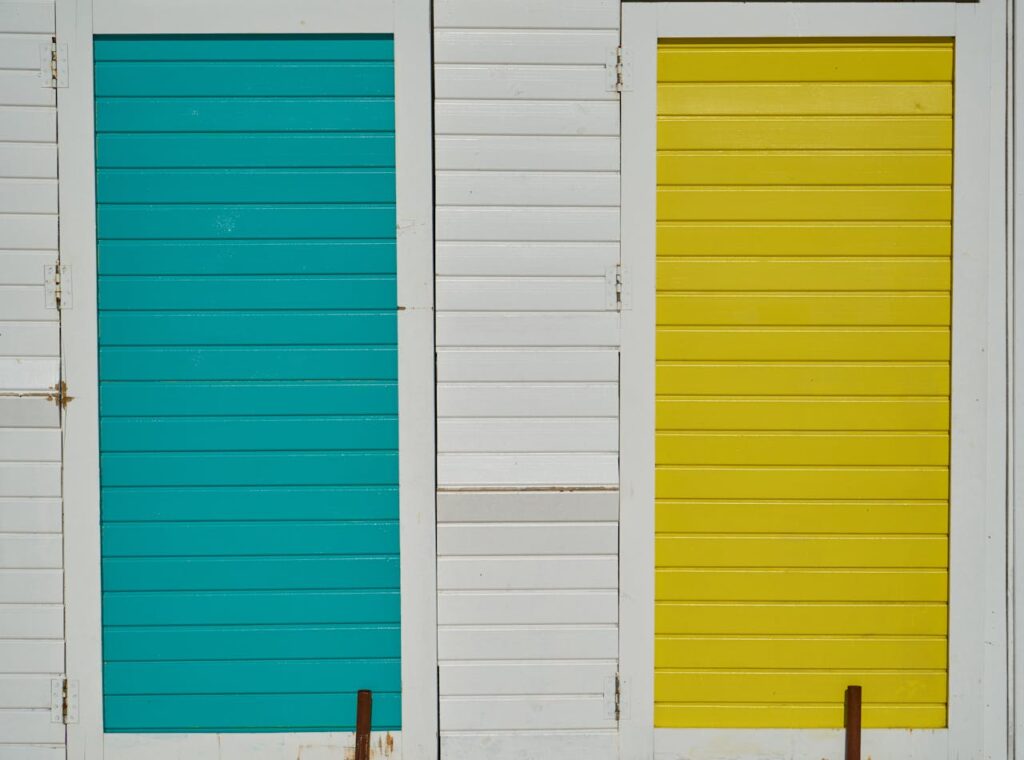
When you want the look of oil without the long cure and strong odor, a waterborne alkyd enamel is a strong pick for doors, frames, and cabinets. It flows out to a smooth surface and cures harder than typical acrylic trim paints.
A product overview describes this class as low VOC, waterborne enamel that still delivers an oil-like finish with solid performance, which lines up with what many pros report in the field. Whether you’re tackling the work yourself or consulting experienced painters Sydney homeowners trust, this type of coating is often recommended when durability, appearance, and easier maintenance are top priorities.
Application tips that extend life
- Strain paint and use a high-quality synthetic brush or fine-finish roller to cut brush marks.
- Keep a wet edge and work from dry to wet to avoid lap lines.
- Back-brush into edges and profiles so the coating reaches inside corners and grooves.
Exterior details that make coatings last
Sun and water attack any finish, so design and detailing matter. Keep end grain sealed, especially on the tops and bottoms of doors and on fence boards. Caulk small gaps where water can sit and wick behind the film.
Schedule maintenance before failure. A quick clean and a single refresher coat every few years beats full sanding after major peeling. Touch-ups keep the film continuous, so water and UV have fewer ways in.
Troubleshooting common failures
Even good paint fails if prep or conditions are off. Catch issues early, and you can save the job with minimal sanding and a targeted recoat.
- Peeling at the edges often means moisture got behind the film or the previous coating was glossy and unscuffed.
- Tannin bleed shows as brown staining under light colors, often on cedar or redwood, and calls for stain-blocking primer.
- Blocking on doors and windows points to soft or undercured films and can improve with more cure time or a harder topcoat.
Budget, time, and expectations
Better resin systems and pigments cost more, but they usually save labor over time. If a $20 swing per gallon adds 2 years to the cycle, that difference can pay for itself on the next project. Plan for ideal weather and temperatures so each coat cures at its best.
Set expectations for look and feel. Ultra-smooth cabinet finishes require extra sanding and dust control between coats. Exterior projects need generous dry times so evening dew does not imprint the film.
A clear system, matched to your wood and space, is the best way to make a finish last. Take the time to prep right, respect dry times, and choose coatings that work together – your wood will look sharp longer, and maintenance will be simpler.