
This post may contain affiliate links. I only recommend products I use and love. Read the full disclosure here
Updated on: January 30, 2026
Originally published on: October 31, 2025
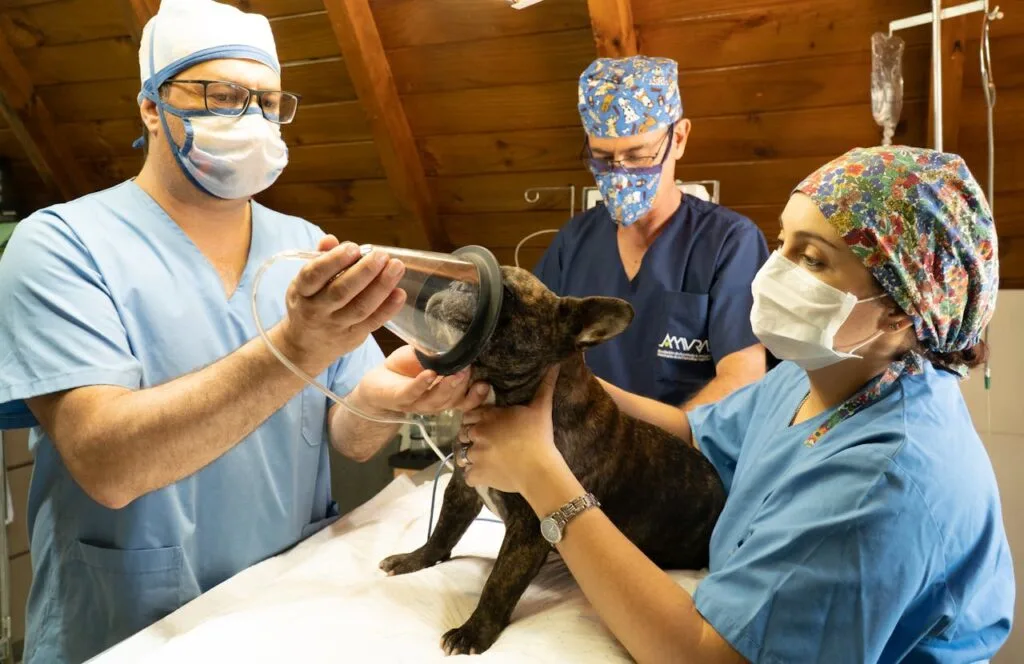
Having your pup go in for surgery is one of the hardest things any pet parent can face. But once the procedure is done, how you care for your dog afterward is just as important. With the right home care, you can help your furry friend recover safely, comfortably, and with a little extra peace of mind.
So instead of feeling helpless while your pup heals, let’s walk through a few essential steps that’ll make recovery smoother. Below are some expert-backed tips every dog owner can follow to support their pet’s healing journey.


Understanding the Post-Surgery Recovery Phase
The Healing Timeline
Every dog’s recovery looks a little different, but most take anywhere from ten days to several weeks to heal, depending on the procedure. The recovery process typically goes through four stages — inflammation, tissue repair, and remodeling among them. During this time, rest is crucial. Giving your dog plenty of quiet time to heal helps them regain strength and interest in daily activities like walks and play.
Managing Pain and Discomfort
Managing pain is a big part of post-surgery care. Your veterinarian will prescribe medication and provide clear instructions for how and when to give it. Follow those directions carefully, even if your pup seems to be feeling better early on. Keeping pain under control helps them rest easier and recover faster.
Breed-Specific Recovery Needs
Different breeds have different healing needs. For example, if you have a Miniature Cocker Spaniel, you may need to give a little extra attention to grooming and incision care. Their long, coarse coat can trap moisture or debris near the surgical area, which could lead to irritation or infection if not kept clean.
Supporting Emotional Well-Being
Surgery can make dogs feel anxious, withdrawn, or confused. Offer plenty of calm reassurance, gentle petting, and familiar toys to comfort them. A soothing voice and predictable routine can help your dog feel secure and relaxed during this time.
Making Your Home Safe for Recovery
Safe for Recovery
A safe, quiet home environment is one of the best ways to promote healing and reduce stress. Here are some helpful ways to prepare your space.
Choose a Quiet Healing Zone
Set up a low-traffic area where your pup can rest without interruptions. This cozy retreat gives them a sense of security and helps prevent overexertion. Soft lighting and a comfortable bed will go a long way toward helping your pet rest and recover peacefully.
Provide Clean, Soft Bedding
Soft, clean bedding cushions sore muscles and keeps pressure off surgical sites. Change or wash it often to reduce dirt, hair, and germs. According to the American Veterinary Medical Association (AVMA), maintaining clean bedding can lower the risk of post-surgical infection by nearly 40%.
Keep the Temperature Comfortable
Dogs healing from surgery are sensitive to temperature changes. Keep the room at a steady, moderate temperature, and avoid drafts or direct heat. The National Institutes of Health (NIH) notes that a stable environment can reduce stress and speed up tissue healing.

Limit Contact with Other Pets and Kids
Excited pets or playful children can easily disrupt recovery. Limit interactions so your healing dog can rest. Explain to kids why calm behavior is important, and allow only short, gentle visits.
Use Non-Slip Flooring
Slippery floors are a real hazard for dogs recovering from surgery. Add non-slip mats or rugs to help your pup move safely without risk of falling. This is especially important for senior or weaker dogs who may already struggle with balance.
When to Call the Vet
Contact your veterinarian if you notice:
- Swelling or bleeding around the incision that lasts more than a day
- Refusal to e
- at or drink within 24 hours of coming home
- Constant licking, biting, or scratching at the surgical site
- Continuous whining, trembling, or anxiety
- Any foul odor or discharge near the incision area
Final Thoughts
Caring for your dog after surgery takes patience, but your attention makes all the difference. By following these simple tips, you’ll help your pup recover faster and get back to their happy, playful self. A little love, a calm home, and good communication with your vet are the best tools for a smooth recovery.