
This post may contain affiliate links. I only recommend products I use and love. Read the full disclosure here
Updated on: January 20, 2026
Originally published on: January 20, 2026
Home design and mental health are more closely connected than many people realize. The light you wake up to, the colors you see at breakfast, and the way your space flows as you move through it all affect how calm or overwhelmed you feel. These everyday details quietly shape your mood and stress levels, often without you noticing.

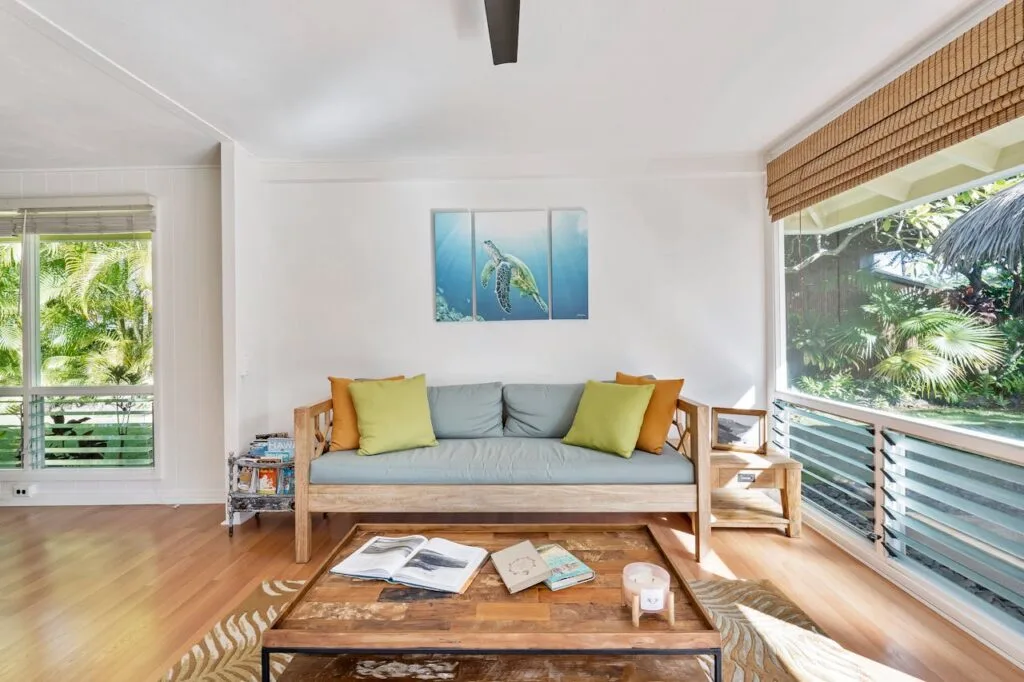
Your home environment can either support your well-being or work against it. A thoughtfully designed space can lower stress, improve mood, and make daily life feel more manageable and enjoyable.
The Home Design and Mental Health Connection
Mental health is a state of well-being that influences how you handle stress, connect with others, and make everyday decisions. Conversations about mental health usually focus on internal factors, but external influences matter just as much. One of the most significant external factors is our environment.
Your home is the most important part of that environment. It’s where you rest from daily demands, engage in hobbies, study, and may even work. Due to this constant exposure, the design and condition of your living space influence how your body and mind respond to everyday stress.
The effects of a poorly designed space are usually easier to notice physically. You may experience headaches, irritated eyes or throat, poor sleep, or discomfort from being too hot or too cold. The psychological effects can be harder to recognize. You may feel tense, low in energy, unfocused, or overwhelmed without knowing exactly why.
Research supports that this connection exists. A 2024 study found that higher exposure to noise pollution can lead to increased anxiety. Additionally, people who live in areas with poor air quality and built environments were more likely to have anxiety and depression. A supportive environment can protect your mental well-being.
Interior Design Elements for a Happier Mind
For most people, much of their lives happen indoors. Between 2003 and 2022, the average time American adults spent at home increased by one hour and 39 minutes per day. With a significant portion of your life spent inside, it’s essential to know which interior design elements have the most impact on your mental health.
Sunlight and Mood Lighting
A good dose of natural light can lift your mood, help regulate your sleep cycle, and give your body vitamin D, all of which support your overall well-being. When your home has well-placed windows that let sunlight spill into everyday spaces like the kitchen, bedroom, and dining room, it can positively impact your mental health on a daily basis. So if your curtains are always closed, consider opening them for at least most of the day.
When natural light is limited, try to maximize mood lighting. People have used lighting to shape atmosphere for centuries. Louis Comfort Tiffany, for example, created Tiffany lamps in the 19th and early 20th centuries that provide soft, warm light through colored glass. This type of warm lighting is known to be relaxing, which is exactly what you need to wind down in the evening.
Clutter-Free Spaces
Clutter has a sneaky way of messing with your head. Studies have linked cluttered homes to lower well-being and life satisfaction. When your space is visually distracting, your brain has more to process, making focusing harder than it should be. Organizing clutter can give your mind the calm it needs.
Your home doesn’t have to look empty or ultra-minimalist to be clutter-free. Even the most maximalist spaces can be organized and relaxing. The trick is to keep surfaces clean and use storage to reduce visual noise.
Functional Layouts
The way you arrange your furniture can impact your physical and emotional health. Specific layouts can add stress and discomfort, while others can make your home a pleasant place to spend time. However, the best setup for your mental health is often a personal thing.
Take open floor plans, for instance. It can make your home feel bright and spacious, but it can also amplify distractions. For some people who already struggle with loneliness, large, echoing spaces may not be comforting. The best solution is to try different layouts to find one that actually works for you.
Natural Decorative Elements
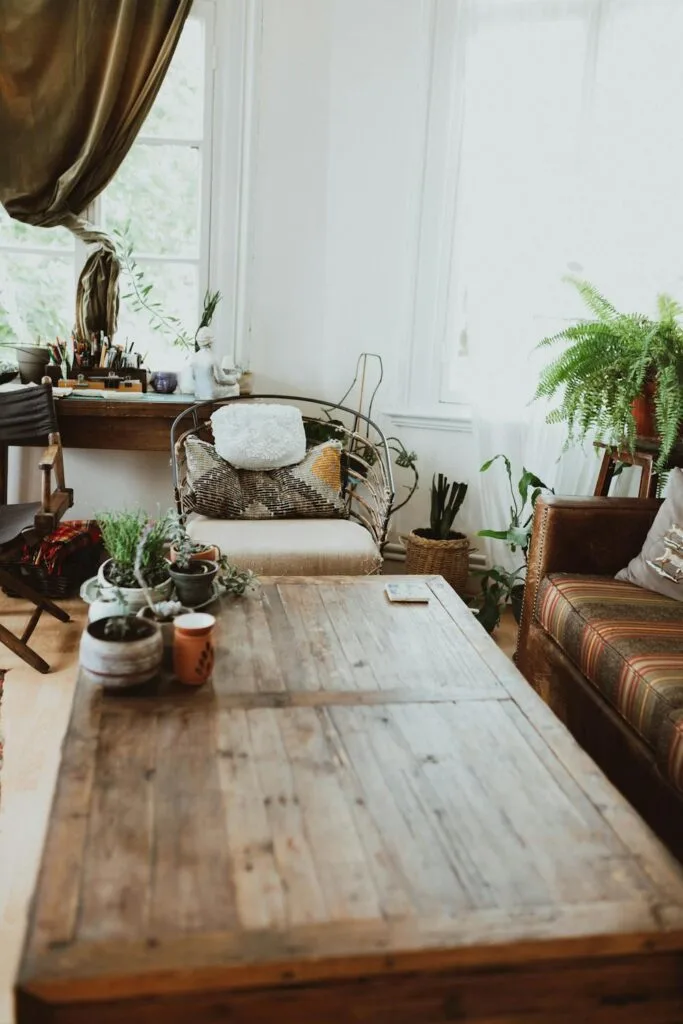
Plants, natural fibers, and organic shapes are known to reduce stress and improve brain function. They also help you feel more connected to nature, which is something many urban dwellers need.
That said, there can be too much of a good thing. Research suggests that around 20% greenery in a space offers the strongest sense of restoration and belonging. If you go overboard, your home may start to feel more like a jungle than a sanctuary.

Meaningful Personal Objects
One home decor element that never goes out of style is displaying personal objects. Photos, travel souvenirs, trinkets, and little keepsakes can add warmth and emotional comfort that make your space feel like it’s truly yours.
For instance, seeing a beautiful or meaningful photo can make you feel happier because it brings back the emotion you felt when it was taken. Surrounding yourself with these memories can also help you feel more supported during stressful times.
Your Home, Your Sanctuary
If home hasn’t been feeling quite right lately, it might be less about you and more about your space. Something as simple as rearranging your furniture, letting in more light, or finally putting clutter away can change how you feel day to day.