
This post may contain affiliate links. I only recommend products I use and love. Read the full disclosure here
We agree – planning for the future is overwhelming. Whether you’re aiming to buy a house, fund your child’s degree, or retire comfortably, there are a lot of moving parts that need figuring out.

But what if there were a roadmap to your financial future? What if you could visualize where you’re headed and what steps you need to take to get there comfortably? Financial projection tools make it happen. They enable long-term planning and forecasting, giving you confidence and clarity.
Not sure if using a financial projection tool is the right move? Here’s how they help individuals with long-term financial planning:
Forecasting Future Income with Financial Projection Tools
Predicting future income feels impossible at a glance, but financial projection tools can make it much more manageable. With inflation, who knows how much you’ll be able to earn after 10 years and whether it will be enough to cover expenses. But financial projection tools can help.
They analyze your current income, expected bonuses, rental income, or other sources of revenue before predicting a specific range. These tools also address assumptions and fears. For instance, what happens if your income grows more slowly than expected? While you can’t stop inflation in its tracks, you can always take a proactive approach to maintain financial health over time.
Forecasting Future Costs
In addition to future income, financial projection tools can also predict future expenses. It will take into account recurring expenses, such as:
- Bills
- Mortgage payments
- Insurance
- Lifestyle costs
This will help you identify potential cash flow gaps before they become problems. In this way, you will have enough funds to cover upcoming obligations and maintain stability.
Investment Strategy Optimization
A lot of people believe that investing as a way to build long-term financial health isn’t a great option. In reality, what matters is your forecasting and optimization strategy.
For instance, an investment calculator will help you compare the returns of different investments over time. For instance, financial projection tools like an investment calculator will help you compare the returns…
You can enter different numbers and varying investment years to evaluate potential returns. SoFi’s investment calculator provides a final hypothetical amount for the period you specify. It’s convenience at its finest!
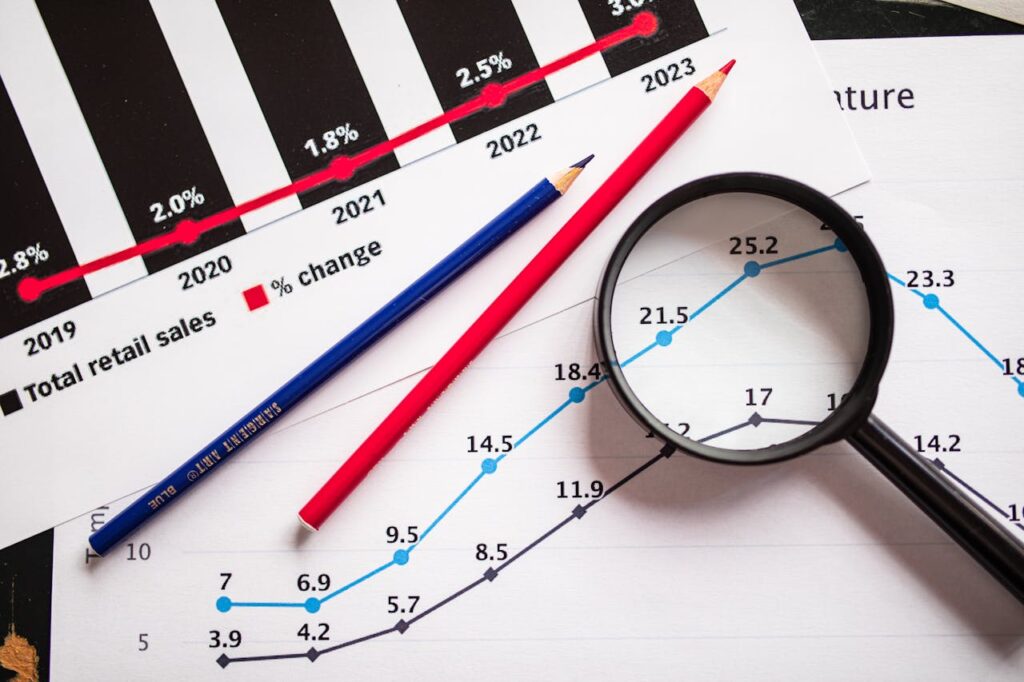
Tracking Financial Goals
Setting financial goals is easy, but following up on them is hard. With financial projection tools, you can not only set clear, realistic targets, but also track them.
Let’s say you’re saving for a home. Use a financial projection tool to break this long-term goal into smaller, manageable steps. Then, assign timelines to each milestone. Regularly update the timeline to indicate your progress. The tool would also highlight areas that need adjustment.
The best part? With a clear strategy at work, you will be motivated to keep working.
Financial Discipline and Confidence
One of the best things about using a financial projection tool is that it builds discipline and confidence. You move towards your long-term financial goals slowly but steadily.
As circumstances change, you can update projections and make adjustments. You can run what-if scenarios to evaluate the impact of different investment, savings, or spending decisions. Financial clarity brings confidence. And confidence brings success.