
This post may contain affiliate links. I only recommend products I use and love. Read the full disclosure here
Updated on: March 31, 2026
Originally published on: March 31, 2026
Taking care of your skin can feel overwhelming with so many products claiming to be “clean” or “natural,” but understanding how natural ingredients support skin health can make everything a whole lot simpler.
Not all plant-based formulas work the same way, and knowing how different ingredients interact with your skin helps you make smarter choices. Instead of guessing or relying on trendy labels, it helps to start with the basics and build from there.

Understanding Your Skin’s Natural Barrier
Before assessing any ingredient, it helps to understand what you’re working with. The skin’s outermost layer sustains what dermatologists call the acid mantle, a slightly acidic film with a pH of roughly 4.5 to 5.5, that acts as a frontline defense against bacteria, environmental pollutants, and moisture loss.
Disrupting this barrier with harsh surfactants or alkaline cleansers can undermine its function, paving the way for dryness, irritation, and heightened sensitivity. Gentle cleansing, in other words, isn’t an indulgence; it’s a cornerstone of skin health. Products that respect the skin’s natural pH allow the barrier to perform its protective role without unnecessary interference.
What the Research Says About Common Natural Ingredients
Not all plant-based ingredients are created equal. Several have well-documented, evidence-backed benefits worth knowing:
- Aloe vera: Contains polysaccharides that support wound healing and reduce transepidermal water loss, making it particularly useful for soothing irritated or sun-exposed skin.
- Chamomile (bisabolol): Demonstrates meaningful anti-inflammatory properties in peer-reviewed studies, with notable benefits for reactive or sensitive skin types.
- Shea butter: Rich in oleic and stearic fatty acids, it reinforces the skin’s lipid barrier and has shown measurable emollient effects in clinical observations.
- Coconut oil: Contains lauric acid with antimicrobial properties, though its comedogenic potential means it may not be the best fit for acne-prone skin.
One important caveat: “natural” does not automatically mean safe or universally beneficial. Plant-derived allergens, found in essential oils and botanical extracts, for example, can trigger reactions in sensitive individuals. Understanding how ingredients actually work matters far more than taking marketing claims at face value.
Evaluating Product Quality and Avoiding Greenwashing
One of the most practical skills any skincare consumer can develop is reading an ingredient list critically. Cosmetic ingredients are listed in descending order of concentration, which means a botanical extract appearing near the bottom may be present in quantities too small to have any meaningful effect. This is a common tactic in greenwashing, where products are positioned as more natural than they actually are.
Key Takeaway: When evaluating natural skincare products, look past the marketing language. Examine ingredient lists, consider concentration levels, and verify certifications from recognized bodies such as USDA Organic, COSMOS, or ECOCERT. These standards involve independent, third-party auditing that a “natural” label alone simply does not guarantee.
It’s also worth distinguishing between naturally derived ingredients, those processed from plant sources, and genuinely whole botanical extracts. Both can be effective, but transparency about how an ingredient has been processed is a reasonable thing to expect from a reputable brand.
Matching Natural Ingredients to Your Skin Type
The same ingredient can behave quite differently depending on individual skin biology. Jojoba oil, for example, closely mimics the skin’s natural sebum and may benefit both dry and oily skin types, yet someone with a compromised barrier might need a richer, more occlusive formula.
Sensitive skin often responds best to fragrance-free, minimal-ingredient products, while combination skin may call for targeted application rather than a one-size-fits-all approach. When skin concerns are persistent or getting worse, professional dermatological guidance remains the most reliable course of action.
Transitioning Thoughtfully
Switching to natural skincare products may come with an adjustment period of two to four weeks as the skin recalibrates. Temporary shifts in texture or oiliness during this window are fairly common and are distinct from true allergic reactions, which typically present as redness, itching, or hives.
Starting with a minimalist routine, cleanser, moisturizer, and sun protection reduces the number of variables in play and makes it considerably easier to identify how specific ingredients are affecting your skin.
The Foundation Is Knowledge
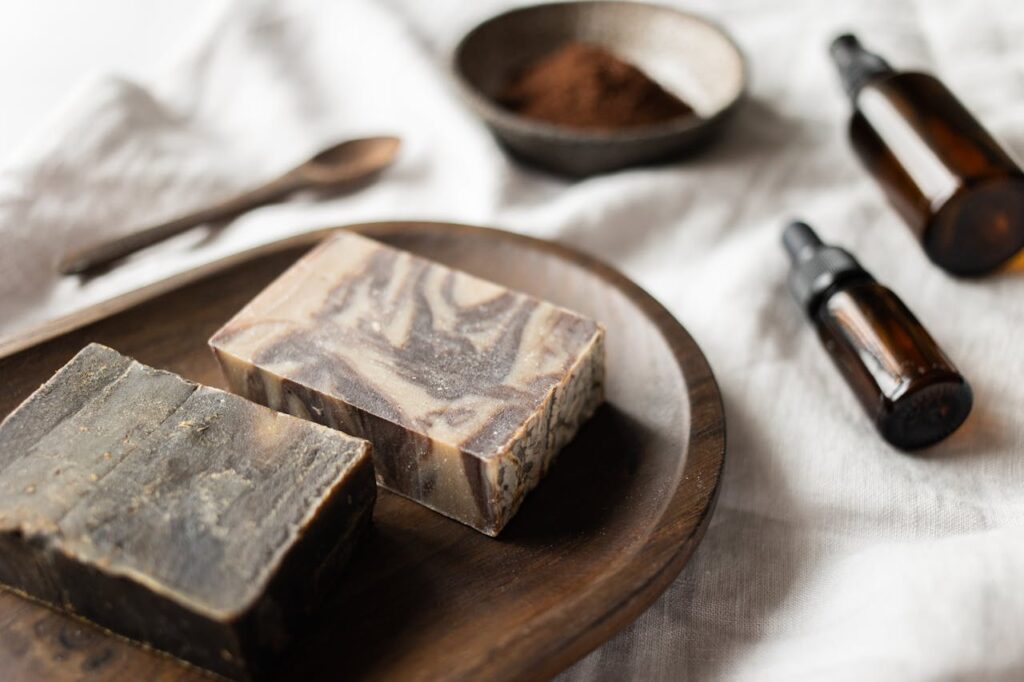
Whether someone gravitates toward plant-based serums, botanical creams, or a natural body soap bar as part of their daily routine, the most empowering tool available is the same: a solid understanding of how ingredients interact with skin biology.
Skincare is inherently personal, and treating it as an informed, evolving process, rather than chasing the latest trend, tends to produce the most consistent and meaningful results over time.