
This post may contain affiliate links. I only recommend products I use and love. Read the full disclosure here
Updated on: September 30, 2025
Originally published on: September 30, 2025
The long-term health effects of road accidents often extend far beyond the initial incident. While immediate injuries often draw the most attention, the lasting impact on physical, mental, and social well-being can be even more significant. Many individuals continue to experience challenges months or even years after the event, requiring ongoing care and lifestyle adjustments. Understanding these long-term effects is crucial for recovery and planning a sustainable path forward.


Physical Injuries That Persist Over Time
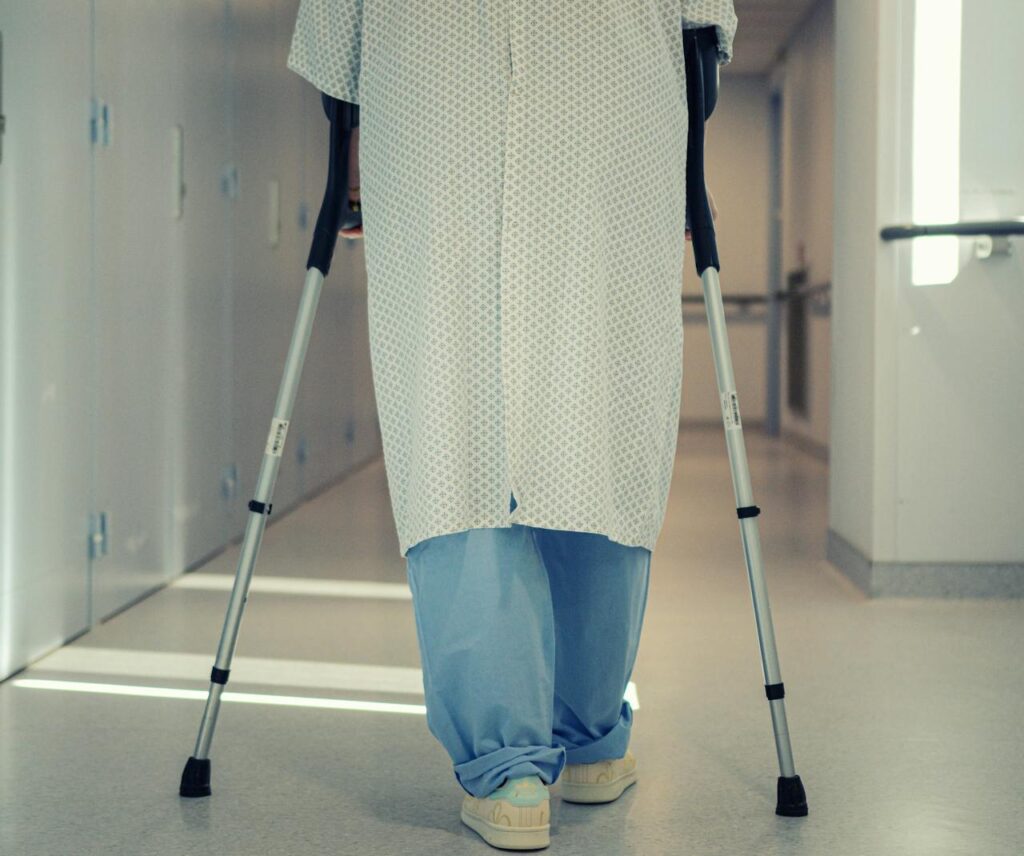
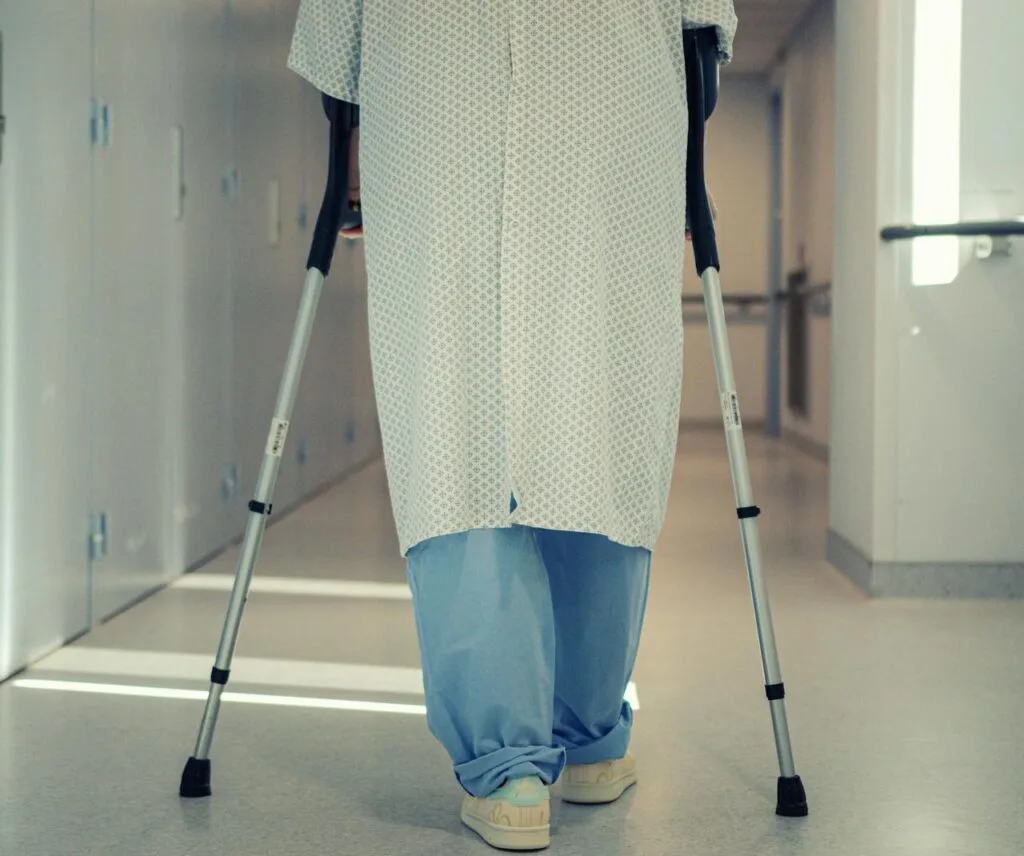
One of the most noticeable long-term outcomes of road accidents involves physical injuries. Broken bones, spinal cord damage, and traumatic brain injuries can take months or years to heal, and in some cases, they never fully resolve. Chronic pain is common, especially in areas like the neck, back, or joints that are prone to injury during collisions. Scar tissue, mobility limitations, and reduced strength often require physical therapy to manage effectively.
People who sustain severe trauma may face lifelong limitations in daily activities. Tasks such as walking long distances, lifting heavy objects, or engaging in sports can become difficult or impossible. These restrictions often reduce independence and may lead to additional health problems like muscle atrophy or weight gain. Persistent injuries also increase the likelihood of arthritis and other degenerative conditions as the body compensates for damaged areas.
The Ongoing Impact of Head and Brain Trauma
Head injuries remain among the most serious consequences of road accidents. Even when initial treatment appears successful, individuals can face lasting complications from concussions or traumatic brain injuries. Problems with memory, concentration, and decision-making are common. These cognitive impairments affect job performance and can interfere with personal relationships.
Head trauma may also cause long-term headaches, dizziness, or sensitivity to light and sound. Emotional regulation often becomes difficult, leading to irritability or mood swings. In some cases, individuals experience seizures or are at higher risk of neurological diseases later in life. These symptoms require specialized medical care and ongoing monitoring to maintain quality of life.
Psychological and Emotional Consequences
Beyond physical injuries, road accidents often leave deep emotional scars. Survivors frequently struggle with post-traumatic stress disorder, anxiety, or depression. Nightmares, flashbacks, and fear of driving can limit independence and create ongoing stress in daily life. Even passengers or witnesses may develop psychological symptoms long after the crash.
Support from therapists, counselors, and support groups plays a major role in managing these conditions. Without proper treatment, mental health struggles can worsen physical recovery, creating a cycle of pain and emotional distress. Relationships with family and friends may suffer, further isolating the individual and complicating the healing process.
Financial Strain and Legal Considerations
The cost of medical care, rehabilitation, and lost income can be overwhelming for accident survivors. In cities with heavy commercial traffic, such as Laredo, financial challenges are compounded when serious injuries result from large vehicle collisions. Victims often seek legal guidance when pursuing truck accident claims in Laredo to ensure they can cover ongoing treatment costs and secure financial stability. Having proper representation can ease the burden and allow injured individuals to focus on recovery.
The financial strain is not limited to medical expenses alone. Many survivors must adapt their homes, purchase mobility aids, or hire caregiving assistance. Long-term financial planning becomes critical, particularly when permanent disability prevents a return to previous employment. Accessing compensation through insurance or legal channels helps mitigate these burdens and provides a sense of justice after a traumatic event.
Effects on Lifestyle and Daily Functioning
Living with the consequences of a road accident often requires major adjustments in daily routines. Some people are no longer able to perform household tasks, drive, or engage in recreational activities they once enjoyed. Others must rely on family members or caregivers for support, which can create feelings of dependence and frustration.
Even small changes, such as taking longer to get dressed or needing help with shopping, impact self-esteem and social confidence. These lifestyle shifts can reduce opportunities for social interaction, leading to isolation. Over time, the lack of engagement with others can worsen mental health challenges and hinder overall recovery.
Strain on Relationships and Social Life
Road accidents can place immense stress on personal relationships. Family members often take on caregiving roles, which may cause strain, resentment, or emotional fatigue. Partners may struggle with the loss of intimacy or shared activities, while children may feel neglected due to the attention required by the injured individual.
Friendships and social circles can also suffer. Invitations to gatherings may decline if the injured person cannot participate fully, and feelings of being left out can lead to withdrawal. Rebuilding social networks takes time and effort, but it plays an important role in long-term emotional health. Open communication and counseling for both survivors and their families can help maintain stronger connections.
Increased Risk of Secondary Health Problems
The limitations caused by injuries often contribute to additional health challenges. Reduced mobility can lead to weight gain, cardiovascular issues, or diabetes. Chronic pain may result in dependence on pain medications, creating risks of side effects or misuse. Sleep problems are another common issue, as discomfort and emotional distress interfere with rest.
These secondary problems can complicate recovery and increase medical expenses. Regular checkups, preventive care, and healthy lifestyle adjustments become critical in managing long-term health after an accident. Survivors who remain proactive in their healthcare are better positioned to maintain independence and reduce complications.
Importance of Long-Term Rehabilitation
Ongoing rehabilitation offers the best chance for regaining function and improving quality of life after a road accident. Physical therapy helps restore strength and flexibility, while occupational therapy teaches strategies for adapting to new limitations. Mental health support ensures that psychological challenges receive proper attention alongside physical recovery.
Rehabilitation often requires patience and persistence. Progress may be slow, but consistent effort can produce meaningful results. Long-term commitment to treatment helps survivors rebuild confidence and regain control over their lives, even when full recovery is not possible.
The consequences of road accidents extend far beyond the initial crash. Survivors often face years of physical pain, emotional struggles, financial pressure, and lifestyle adjustments. With the right medical care, legal support, and rehabilitation, many people can manage these challenges and create a fulfilling life despite the obstacles. Recognizing and addressing the long-term effects ensures that recovery remains an ongoing process rather than a single event.