
This post may contain affiliate links. I only recommend products I use and love. Read the full disclosure here
Updated on: December 9, 2024
Originally published on: December 9, 2024
As our loved ones age, it’s natural to want to support them in maintaining their independence while ensuring they have the necessary care. Aging doesn’t have to mean losing the ability to live life on their terms, but it does require thoughtful planning and support. Finding the right balance between providing assistance and maintaining independence for seniors is key.

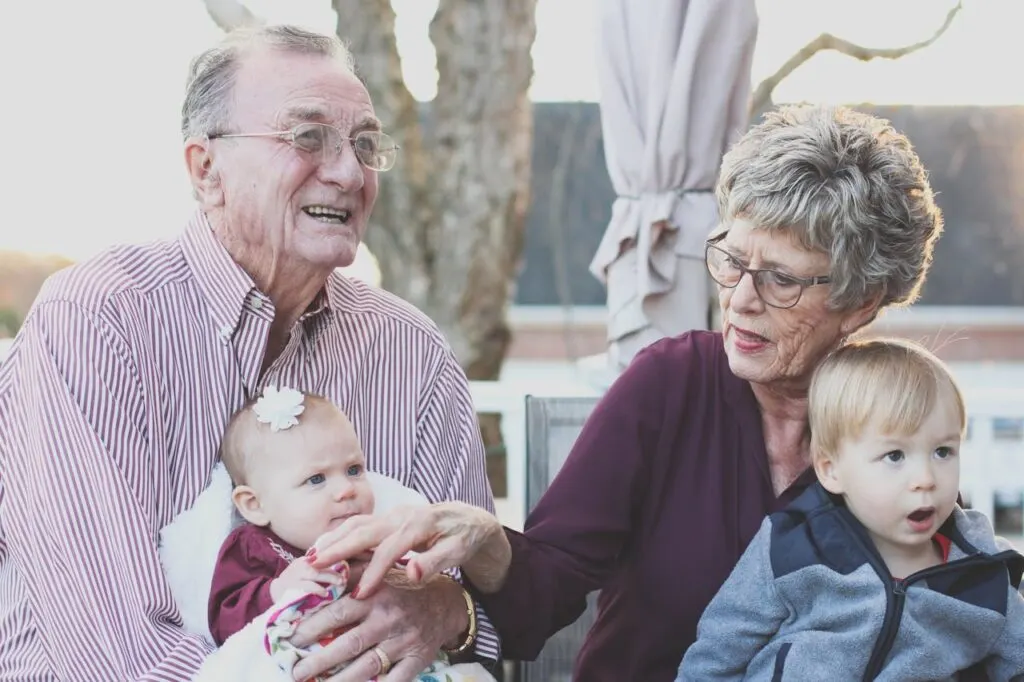
Let’s take a look at some practical ways to help your loved one retain their independence and dignity as they age, while also ensuring they stay safe, healthy, and happy.
1. Caregiving Services
One of the best ways to ensure your loved one remains independent is by utilizing caregiving services that provide support tailored to their needs. This can include a variety of services, such as assistance with daily tasks, personal care, and even companionship. By hiring professional caregivers, you can ensure your loved one gets the help they need, whether it’s assistance with cooking, cleaning, or medication management.
Options like in-home care Memphis services can be an excellent choice. This allows your loved one to receive personalized support in the comfort of their own home while maintaining their privacy and routines.
2. Promote Physical Activity
Maintaining physical health is key to maintaining independence as one age. Encouraging regular physical activity can help improve strength, balance, and overall well-being. Activities like walking, swimming, or yoga can enhance flexibility and reduce the risk of falls. You can work with healthcare providers to create a safe and effective exercise routine that is suited to your loved one’s abilities and preferences. This proactive approach helps keep them mobile and independent for longer.
3. Home Modifications for Safety
As we age, the risk of falls and accidents increases. One of the best ways to help your loved one maintain independence is by making their living environment safer. Home modifications such as installing grab bars in the bathroom, improving lighting, removing tripping hazards, and using non-slip mats can significantly reduce the risk of accidents. Making the home more accessible and comfortable ensures your loved one can continue to live independently without compromising their safety.
4. Encourage Social Engagement
Loneliness can be a serious issue for seniors, often leading to feelings of isolation and depression. To help with maintaining independence for seniors, encourage them to stay socially active. This could mean participating in community activities, joining a club, or simply maintaining regular communication with friends and family. Staying socially engaged helps improve emotional health, boosts cognitive function, and provides an ongoing support system, all of which contribute to maintaining independence.
5. Medication Management
Proper medication management is essential for seniors to stay healthy and independent. Many older adults take multiple medications, which can be challenging to manage. Setting up a medication schedule, using pill organizers, or even setting up reminders can help your loved one stay on track with their prescriptions. If necessary, you can enlist the help of a healthcare professional to ensure medications are being taken correctly, reducing the risk of complications and maintaining overall health.
6. Assistive Technology
Advancements in assistive technology have revolutionized the way older adults can maintain their independence. For seniors, these tools can play a critical role in enhancing safety, reducing daily struggles, and improving overall quality of life. From mobility aids to smart home devices, assistive technology offers a range of options that can help seniors perform everyday tasks more easily and safely, allowing them to stay in their own homes longer.
One of the most popular forms of assistive technology is medical alert systems, which provide a quick way for seniors to get help in the event of an emergency, such as a fall or medical issue. Many of these systems come with fall detection, allowing them to automatically alert emergency services if a fall is detected. This gives both seniors and their families peace of mind, knowing that help is always just a button away, even if the individual cannot reach out themselves.


7. Nutrition and Healthy Eating
Good nutrition is a cornerstone of independence, as a healthy diet helps seniors maintain strength, energy, and mental clarity. You can assist your loved one in maintaining their independence by helping them plan nutritious meals or arrange for meal delivery services if needed. Additionally, teaching them how to grocery shop for healthy foods or encouraging them to join social dining activities can promote independence in their daily life. Adequate hydration and balanced meals are key to ensuring they remain healthy and energetic.
8. Regular Health Check-Ups
Regular health check-ups are a vital part of maintaining independence for seniors. As we get older, the likelihood of developing chronic conditions such as hypertension, diabetes, arthritis, or heart disease increases. Routine medical visits allow healthcare providers to monitor these conditions, detect any early warning signs of potential issues, and adjust treatment plans accordingly. Encouraging your loved one to attend regular check-ups can lead to early intervention, preventing small health problems from becoming more serious.
These check-ups also provide an opportunity to review medications and ensure they are still effective or necessary. Sometimes, medications need to be adjusted as one age, and a healthcare provider can help with this. Additionally, regular health exams can assess cognitive function, and screen for any signs of dementia or memory loss, which are important to address early for better management.
Beyond just physical health, these check-ups are also an opportunity to check in on mental and emotional well-being. Depression and anxiety can affect seniors, particularly if they experience major life changes or the loss of loved ones. A healthcare provider can offer resources, therapy, or medication to address these concerns, which can significantly improve the quality of life and preserve independence.
Final Thoughts
Maintaining independence as we age is a complex but achievable goal. By making thoughtful adjustments to their environment, promoting physical and emotional well-being, and providing tailored support when needed, your loved one can continue to lead an active, fulfilling life. When maintaining independence for seniors, it’s important to stay proactive, offering assistance while respecting their need for autonomy. With the right resources, support, and planning, you can help ensure that your loved one’s aging process is as smooth and independent as possible.