
This post may contain affiliate links. I only recommend products I use and love. Read the full disclosure here
Updated on: August 23, 2025
Originally published on: August 23, 2025
Homeowners often dream of turning their backyard into a relaxing retreat or an entertainment-ready extension of their living space. A well-designed outdoor area can make that dream a reality, especially when you follow smart deck and patio design tips. Whether you’re working with a compact urban yard or an expansive suburban lot, the right design decisions can dramatically increase comfort, functionality, and home value.
Transforming an underutilized yard into a personalized outdoor escape requires thoughtful planning and a good sense of how space, materials, and features interact. From layout to lighting to furniture, every element contributes to how a deck or patio looks, feels, and performs.

Transforming an underutilized yard into a personalized outdoor escape requires thoughtful planning and a good sense of how space, materials, and features interact. From layout to lighting to furniture, every element contributes to how a deck or patio looks, feels, and performs.
Start With Purpose and Functionality
Before selecting wood types or outdoor furniture, homeowners should consider how the space will be used. A deck designed for family dinners will differ in structure and layout from one intended for quiet morning coffee or late-night gatherings.
Defining a primary function allows for smarter choices in layout, access, and amenities. If entertaining guests is a priority, the design may need room for a dining table, ample seating, and an outdoor kitchen setup. If relaxation is the main focus, features like built-in benches, privacy screens, or a pergola can help create a tranquil vibe.
Thinking about functionality at the start of the project makes later decisions easier and prevents costly design changes mid-build.
Evaluate the Shape and Size of Your Yard
Outdoor space varies dramatically from property to property, and a design that works beautifully on one site might not translate well to another. Factors such as lot shape, sun exposure, existing landscaping, and topography all influence how a deck or patio should be laid out.
Maximizing your yard means working with its natural features instead of against them. If your space includes slopes, for example, a tiered deck might take advantage of elevation to create distinct zones. If privacy is a concern, incorporating plantings or screen walls can help shield your seating area without closing off the yard entirely.
A good design adapts to the environment while improving usability. It should feel like an intentional part of the property rather than an afterthought.
Work With a Trusted Professional
While DIY projects offer creative freedom and cost savings, building a safe and lasting deck or patio often requires professional insight. Issues like grading, structural integrity, and code compliance are best handled by someone with experience. Working with a reliable deck builder, whether in complex or sloped yards, helps ensure the final result meets safety standards and aligns with local regulations. A skilled contractor can help bring your vision to life while offering practical solutions that preserve the aesthetic and improve usability.
This partnership streamlines the process, prevents costly mistakes, and often accelerates completion time.
Consider Long-Term Maintenance
The appeal of a beautiful deck can fade quickly if upkeep becomes a burden. Different materials require different levels of care, and making informed choices at the start saves time and frustration in the future.
Wood remains a popular option for its warmth and classic look, but it needs regular sealing, staining, or painting to stay in good condition. Composite materials require far less maintenance and offer durability with a variety of finishes. Natural stone patios add elegance but may need resealing depending on climate and use.
Homeowners should balance aesthetic goals with lifestyle realities. Choosing materials that match your commitment to upkeep makes the outdoor space more enjoyable year-round.
Plan for Lighting and Power Access
Lighting can transform how an outdoor space feels after dark. It adds safety, ambiance, and flexibility to your deck or patio. Without proper lighting, even the most stylish outdoor area becomes unusable once the sun sets.
Incorporate different types of lighting for different purposes. Recessed lights in stair treads or along pathways improve navigation. Overhead string lights or sconces provide a warm glow for gatherings. Accent lighting around plants or water features adds depth and visual interest.
Including power outlets in the design gives you options for appliances, speakers, or seasonal decorations. Thinking about electrical needs during the planning phase avoids messy workarounds and ensures a clean finish.
Select Furnishings That Withstand the Elements
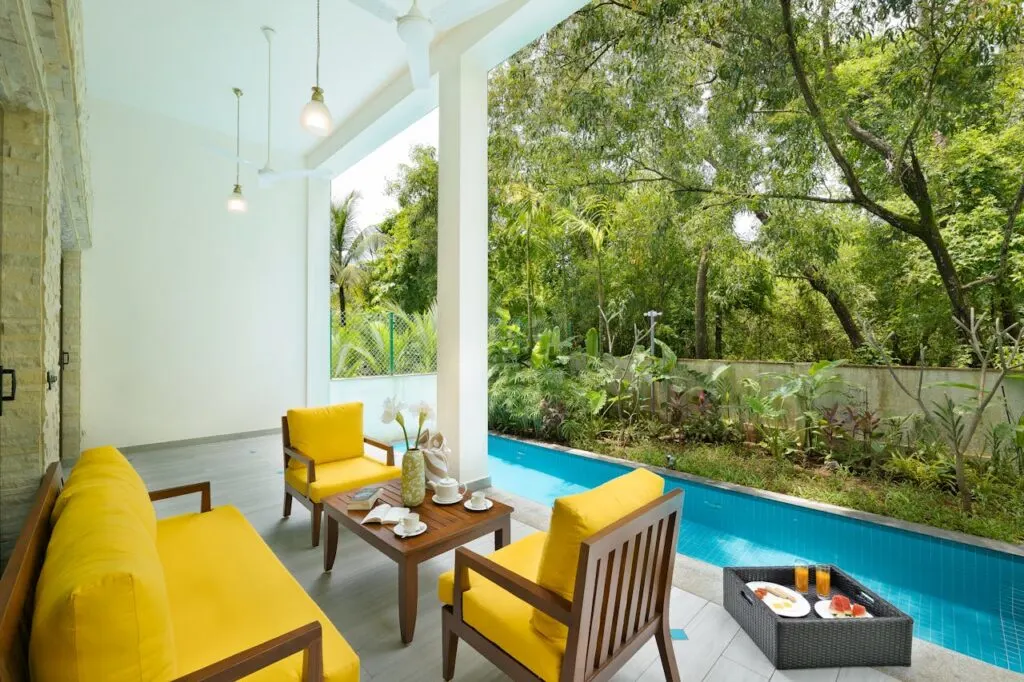
Furniture can elevate an outdoor space, but not all pieces hold up equally well outside. Homeowners should look for weather-resistant materials like teak, aluminum, and synthetic wicker, which can handle moisture, sun exposure, and temperature swings.
Cushions and fabrics should be made from outdoor-rated materials that resist fading and mildew. Removable covers and storage solutions make maintenance easier and extend the lifespan of these pieces.
When selecting furniture, keep circulation and layout in mind. Leave enough room for movement around chairs and tables. Creating defined zones helps the area feel more intentional and encourages use throughout the day.
Embrace Layers and Zones
Just as indoor spaces are organized into rooms or areas, outdoor environments benefit from the same approach. Creating zones on a deck or patio helps structure the space and makes it more adaptable to different uses.
A seating area anchored by a rug and fire feature feels cozy and welcoming. A dining section with a shade structure provides comfort during midday meals. A side zone with planters or garden boxes introduces greenery and texture.
Layering adds depth and personality. Mixing materials, varying elevation, or using built-in features contribute to a visually interesting space that invites people to linger.

Factor in Shade and Climate Protection
Sun exposure and weather can limit how much time you spend outdoors. Adding features that offer protection from the elements makes the space more versatile and comfortable.
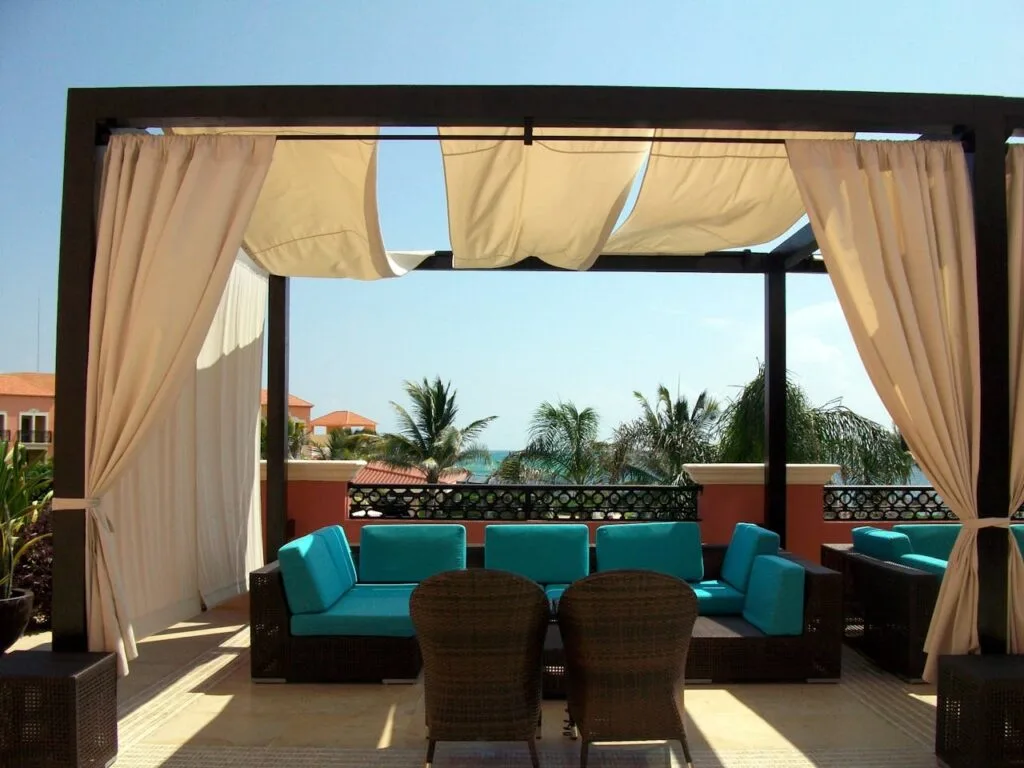
Pergolas, retractable awnings, umbrellas, or gazebos all offer shade while adding visual structure. In colder climates, features like fire pits, patio heaters, or outdoor curtains extend the season and create a cozy environment.
Thinking about climate doesn’t just improve comfort. It also preserves the life of your furniture and materials by reducing exposure to harsh conditions.
A well-designed deck or patio does more than add square footage. It creates an outdoor extension of your home that reflects your style, supports your lifestyle, and enhances the value of your property. By thinking carefully about layout, materials, climate, and function, homeowners can build spaces that feel effortless and inviting. With the right approach and a bit of planning, outdoor living becomes a year-round experience worth investing in.