
This post may contain affiliate links. I only recommend products I use and love. Read the full disclosure here
Updated on: April 28, 2026
Originally published on: April 28, 2026
Adaptable furniture ideas are changing the way we think about our homes. Homes aren’t longer static environments anymore. They shift with our routines, our families, and even our careers. A living room might double as a workspace during the day and transform into a place for relaxation in the evening. For many households, adaptability is no longer a luxury; it’s a necessity.
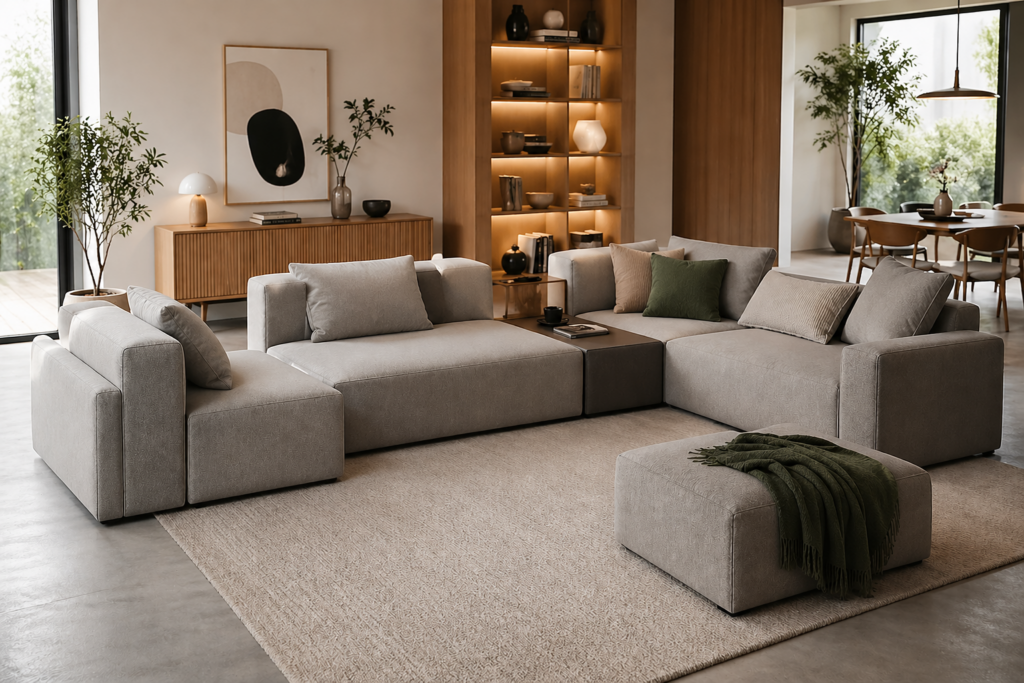
This shift has sparked a growing interest in furniture that evolves alongside its owners. Rather than replacing entire pieces every few years, more people are choosing flexible designs that can be rearranged, expanded, or repurposed. The result? Spaces that feel intentional, efficient, and ready for whatever comes next.
Why Adaptability Matters More Than Ever
Modern living comes with constant change. Remote work, urban living, and rising housing costs all influence how we use our homes. According to a 2023 report by the U.S. Census Bureau, the average size of new apartments has decreased over the past decade, while multi-functional living spaces have increased in popularity. Smaller footprints demand smarter solutions.
Architect and designer Frank Lloyd Wright once said, “The space within becomes the reality of the building.” Today, that idea extends beyond architecture to the furniture we choose. The way we furnish our homes shapes how we live within them.
Adaptable furniture allows homeowners to:
- Maximize limited space
- Reduce long-term costs
- Minimize waste
- Maintain a cohesive design even as needs evolve
This approach reflects a broader cultural shift toward thoughtful consumption: buying less, but buying better.
What Does “Furniture That Grows With You” Really Mean?
At its core, adaptable furniture is designed with change in mind. It can be reconfigured, expanded, or repurposed without compromising style or comfort.
This might include:
- Sectional seating that can be rearranged
- Extendable tables for hosting or daily use
- Storage solutions that scale with your needs
- Multi-functional pieces like sofa beds or nesting tables
One of the clearest examples of this shift is the growing popularity of modular seating. Instead of committing to a fixed layout, homeowners are turning to modular sofas online that can be rearranged to suit different spaces and routines.
A single setup might work as a compact sofa during the week, then expand into a larger seating area when friends or family visit. This kind of flexibility makes it easier to adapt your living room without replacing furniture every time your needs change.
The Psychology Behind Flexible Spaces
Our environments have a direct impact on our mental well-being. Research published in the Journal of Environmental Psychology suggests that people feel more comfortable and less stressed in spaces they can control and modify.
When your home adapts to your needs, rather than forcing you to adapt to it, it creates a sense of ease and ownership. This is particularly important in shared households, where different individuals may have competing needs for space.
Marie Kondo, a globally recognized organizing consultant, emphasizes this idea: “The objective of cleaning is not just to clean, but to feel happiness living within that environment.”
Flexible furniture contributes to this sense of happiness by allowing spaces to serve multiple purposes without feeling cluttered or chaotic.
Designing for Real Life, Not Just Aesthetics
While design trends often prioritize appearance, adaptable furniture focuses on function without sacrificing style. The best pieces strike a balance between the two.
Interior designer Nate Berkus puts it simply: “Your home should tell the story of who you are, and be a collection of what you love.” That story evolves, and your furniture should be able to keep up.
Here are a few practical ways to design with adaptability in mind:
1. Start With a Flexible Foundation
Choose larger pieces—like sofas or dining tables—that can be reconfigured or expanded. These anchor your space and set the tone for flexibility.
2. Think in Layers
Incorporate smaller, movable items such as ottomans, side tables, and floor seating. These can be added or removed as needed without disrupting the overall layout.
3. Prioritize Storage
Hidden or modular storage helps maintain a clean and organized space, especially in smaller homes.
4. Plan for Change
Consider how your needs might shift in the next few years. Will you need more seating? A workspace? Room for guests? Investing in adaptable furniture now can save time and money later.
Sustainability and Long-Term Value
Adaptable furniture is also more sustainable. The furniture industry contributes significantly to global waste, with millions of tons discarded each year, according to the Environmental Protection Agency (EPA).
By choosing pieces that evolve with your needs, you reduce the likelihood of having to replace them frequently. This not only lowers environmental impact but also offers better long-term value.
William McDonough, a pioneer in sustainable design, explains: “Design is the first signal of human intention.” When we choose adaptable furniture, we signal an intention to live more responsibly and thoughtfully.
Adapting to Life’s Milestones
Life rarely stays the same for long. From moving into a first apartment to expanding a family or transitioning to remote work, each stage brings new spatial challenges.
Adaptable furniture supports these transitions:
- Young professionals can create multifunctional living spaces that balance work and leisure.
- Growing families can expand seating and storage as needs increase.
- Empty nesters can downsize without sacrificing comfort or functionality.
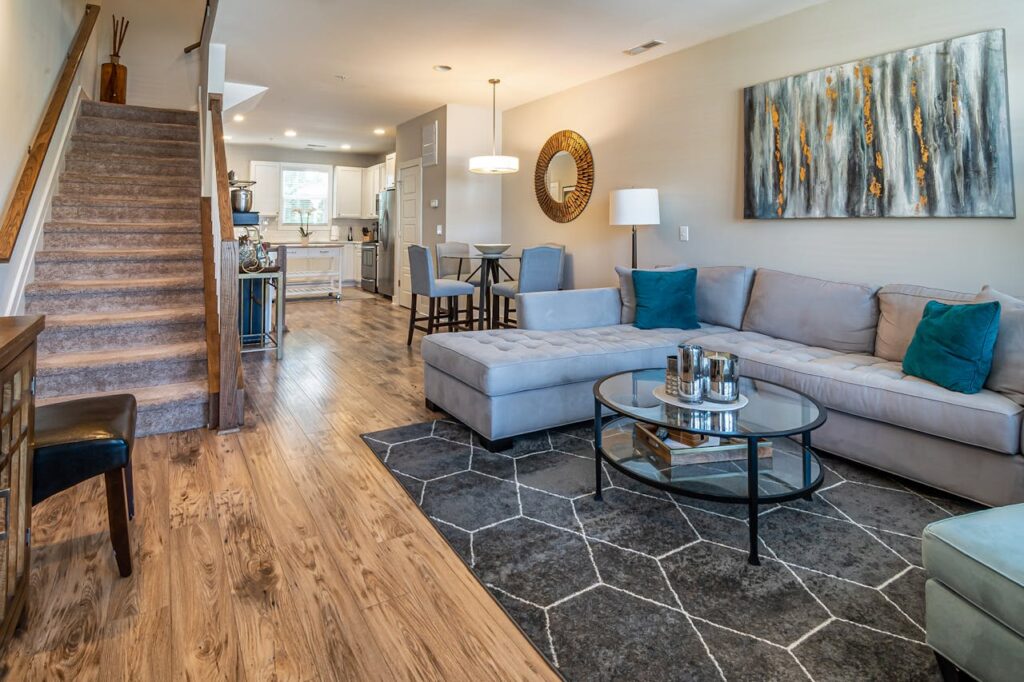
Instead of replacing furniture at every stage, adaptable pieces allow for gradual adjustments. This continuity helps maintain a sense of familiarity and comfort, even as circumstances change.
The Role of Technology and Innovation
Advancements in design and manufacturing have made adaptable furniture more accessible than ever. From precision engineering to sustainable materials, modern furniture is built to last.
Digital tools also play a role. Many retailers now offer online customization, allowing customers to visualize different configurations before making a purchase. This reduces uncertainty and ensures a better fit for individual spaces.
As technology continues to shape the way we live, furniture will likely become even more responsive to our needs, blending physical design with digital convenience.
Creating a Space That Works for You
Ultimately, the goal of adaptable furniture is simple: to create a home that works for you, not the other way around.
This doesn’t require a complete overhaul. Small, intentional changes can make a big difference. Start by evaluating your current space:
- What areas feel underutilized?
- Where do you need more flexibility?
- Which pieces could serve multiple purposes?
From there, focus on gradual improvements. Replace fixed, single-use items with flexible alternatives. Over time, these changes will transform your home into a space that feels both functional and personal.
Conclusion
The way we live is constantly evolving, and our homes should reflect that reality. Furniture that grows with you offers a practical, sustainable, and thoughtful solution to modern living challenges.
By prioritizing adaptability, you create a space that can handle life’s changes without sacrificing comfort or style. Whether it’s rearranging your living room for guests or adjusting your setup for a new routine, flexible furniture makes it possible.
As designer Charles Eames once said, “The details are not the details. They make the design.” Choosing furniture that adapts to your life is one of those details, one that can redefine how you experience your home every day.
References
- U.S. Census Bureau – Housing Characteristics Reports
- Journal of Environmental Psychology – Studies on spatial control and well-being
- Environmental Protection Agency (EPA) – Furniture waste statistics
- McDonough, W. – Cradle to Cradle: Remaking the Way We Make Things
- Kondo, M. – The Life-Changing Magic of Tidying Up