
This post may contain affiliate links. I only recommend products I use and love. Read the full disclosure here
Updated on: March 23, 2026
Originally published on: March 23, 2026
A living room is where conversations unfold, where you unwind after a long day, and guests gather, so it should feel like the heart of the home. If you’ve ever wondered how to make your living room feel warm and inviting, you’re not alone. Many spaces fall flat, feeling either too formal or lacking personality altogether.
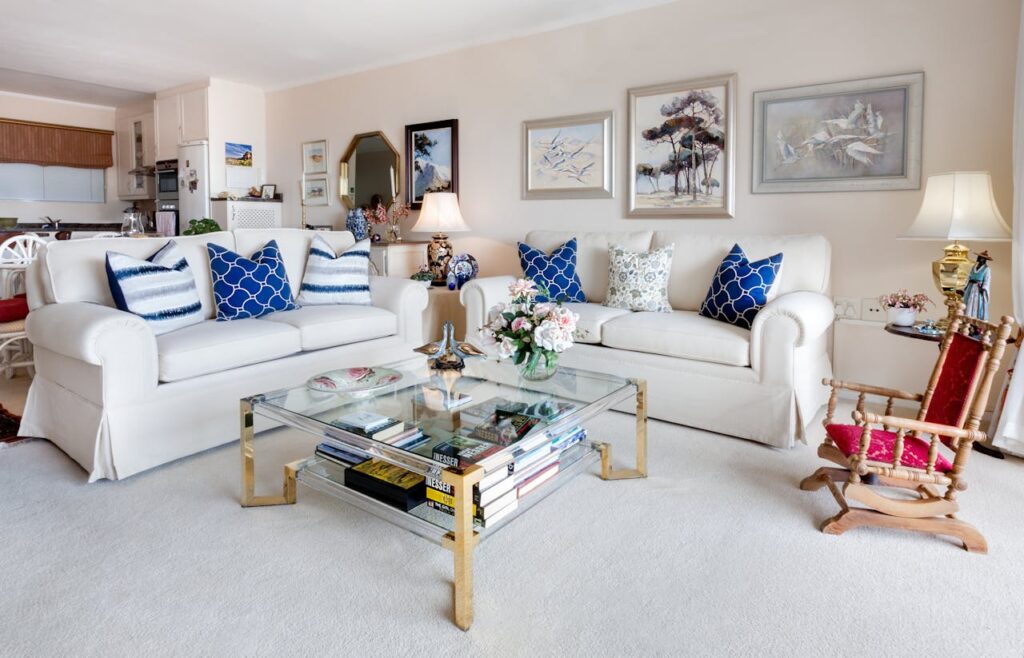
The good news is that you can create a warm and inviting living room without a full renovation or a big budget. Small, thoughtful changes can shift the entire mood of a space. By focusing on texture, lighting, layout, and personal touches, you can turn even the simplest room into one that feels comfortable, lived-in, and welcoming.
Below are practical, easy-to-implement ideas that can help you create a living room people naturally want to spend time in.
1. Start With a Strong Focal Point
Every inviting living room has a clear focal point. Without one, a space can feel scattered or unfinished. Your focal point draws the eye and sets the tone for the entire room.
This could be a fireplace, a large window, or even a statement piece of furniture. In many homes, however, the easiest and most effective focal point is the wall behind your sofa.
Thoughtfully chosen wall décor can anchor the room and give it character. Instead of leaving walls blank or overcrowding them with random pieces, opt for something intentional and cohesive. For example, modern canvas prints from The GOAT Wall Art can help define your space while adding visual warmth and personality.
When selecting wall art, think about scale and placement. A single oversized piece can feel calm and modern, while a small gallery arrangement can add depth and storytelling. Either way, your focal point should feel balanced with the rest of the room and not be overwhelming.
2. Layer Textures for Instant Warmth
Texture plays a major role in how a room feels. Even a beautifully designed space can feel cold if it lacks variety in materials.
Start by layering different textures throughout the room. Combine soft fabrics like cotton or linen with cozier elements such as knit throws or plush cushions. A textured rug can ground the space and make it feel more comfortable underfoot.
Wood accents, woven baskets, and even ceramic pieces can add subtle depth. These details don’t need to be expensive or elaborate. What matters is how they work together to create a sense of comfort.
Pay attention to contrast as well. Pairing smooth surfaces with rougher textures creates visual interest without clutter. For example, a sleek coffee table feels more inviting when styled with a woven tray or a stack of soft-bound books.
3. Use Lighting to Set the Mood
Lighting has a powerful impact on how a room feels. Harsh overhead lighting can make even a well-decorated space feel uninviting, while softer lighting creates a sense of calm.
Instead of relying on a single light source, layer your lighting. Combine floor lamps, table lamps, and wall lighting to create a warm, balanced glow throughout the room.
Warm-toned bulbs tend to feel more relaxing than cool, bright ones. Position lighting at different heights to avoid shadows and create a more natural ambiance.
Candles can also add warmth, especially in the evenings. Even unlit, they contribute to the overall aesthetic of the room. If your living room gets natural light, make the most of it. Use light, airy curtains that allow sunlight to filter through while still offering privacy.
4. Choose Colors That Feel Comfortable
Color has a direct effect on how a space is perceived. Warm, inviting living rooms often rely on soft, neutral tones paired with subtle accents.
Shades like beige, warm gray, soft white, and muted earth tones create a calming foundation. These colors make it easier to layer in other elements without overwhelming the space.
That said, a room doesn’t need to feel plain. Adding deeper tones through cushions, throws, or artwork can create contrast and interest. Think rich greens, warm browns, or even a touch of navy.
Too many bold colors can make a space feel chaotic, while too few can make it feel flat. Aim for a palette that feels cohesive and easy on the eyes.
5. Arrange Furniture for Conversation and Comfort
A common mistake in living room design is pushing all furniture against the walls. While it may seem to create more space, it often makes the room feel disconnected.
Instead, arrange seating in a way that encourages conversation. Sofas and chairs should face each other or form a natural grouping around a central point, like a coffee table or rug.
Make sure there’s enough space to move comfortably, but avoid leaving large empty gaps. Also, consider functionality. Side tables within reach, comfortable seating heights, and accessible surfaces all contribute to the room’s inviting feel.
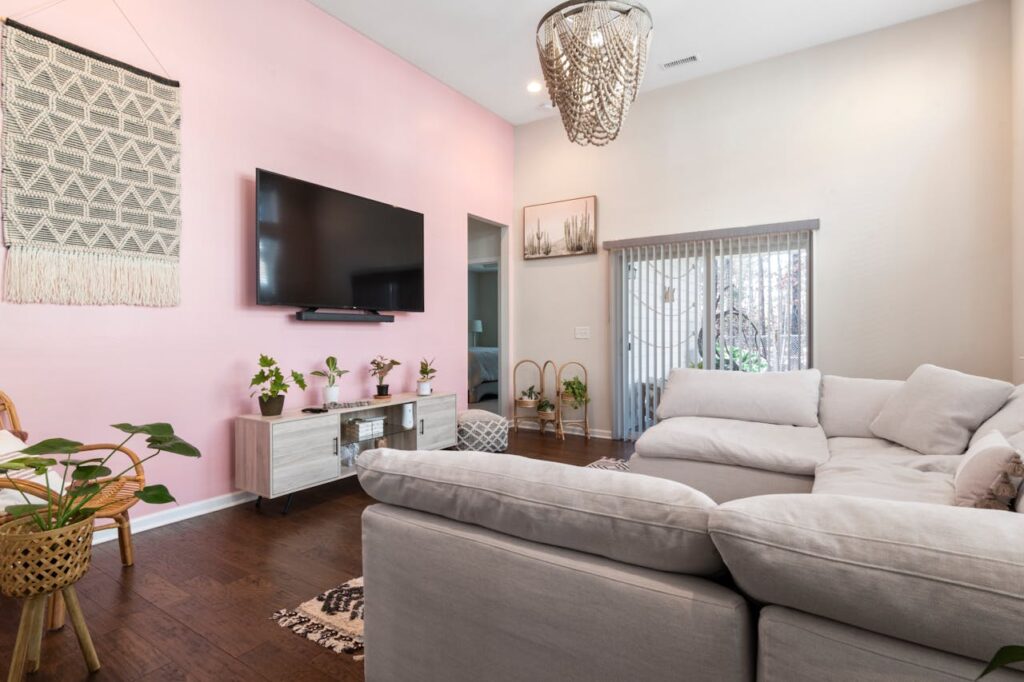
6. Add Personal Touches That Tell a Story
A truly inviting living room feels personal. It reflects the people who live there rather than looking like a showroom.
Incorporate items that have meaning to you. This could include family photos, travel souvenirs, or books you genuinely enjoy to create a sense of familiarity and comfort.
Be mindful not to overdo it, as too many personal items can feel cluttered. Instead, curate your selections so each piece has space to stand out.
7. Bring in Natural Elements
Nature has a calming effect, and incorporating it into your living room can instantly make the space feel more relaxed.
Houseplants are one of the easiest ways to do this. Even a single plant can add life and color to a room. If you prefer low-maintenance options, consider hardy varieties or even high-quality faux plants.
Natural materials also contribute to this effect. Wood, stone, and woven fibers help soften the overall look of a space and connect it to the outdoors. Fresh flowers, when available, can also make a subtle but meaningful difference.
Conclusion
Creating a warm and inviting living room doesn’t depend on one big change. It comes down to a series of thoughtful choices that work together to determine how your space feels.
Start with a clear focal point, then build around it with texture, lighting, and color. Arrange furniture with comfort in mind, and add personal details that reflect your lifestyle. Even small updates, when done intentionally, can transform the atmosphere of your home.
With a bit of care and attention, your living room can become a place that feels welcoming not just to guests, but to you every single day.