
This post may contain affiliate links. I only recommend products I use and love. Read the full disclosure here
Updated on: March 23, 2026
Originally published on: March 23, 2026
Healthcare is changing fast, and one of the biggest shifts is how care is delivered when there simply aren’t enough physicians to meet demand. Understanding the role of nurse practitioners in healthcare has never been more important, especially as patients look for accessible, consistent, and high-quality care.

Nurse practitioners are stepping into that space, helping bridge gaps while offering a more patient-focused approach that prioritizes prevention, education, and long-term wellness.
As these demands continue to grow, more aspiring professionals are exploring advanced training opportunities to enter the field. Programs like FNP programs in Florida and across the country are preparing nurse practitioners to meet these challenges head-on, equipping them with the skills needed to serve both urban and underserved communities.
The healthcare sector is experiencing dramatic shifts as the demand for medical services eclipses the supply of physicians. This trend places nurse practitioners (NPs) in a pivotal position to deliver primary and specialized care, which is a lifeline for patients across all communities.
In particular, those pursuing and other states are pursuing and training to meet these widespread needs, ensuring that healthcare remains accessible even amid ongoing shortages.
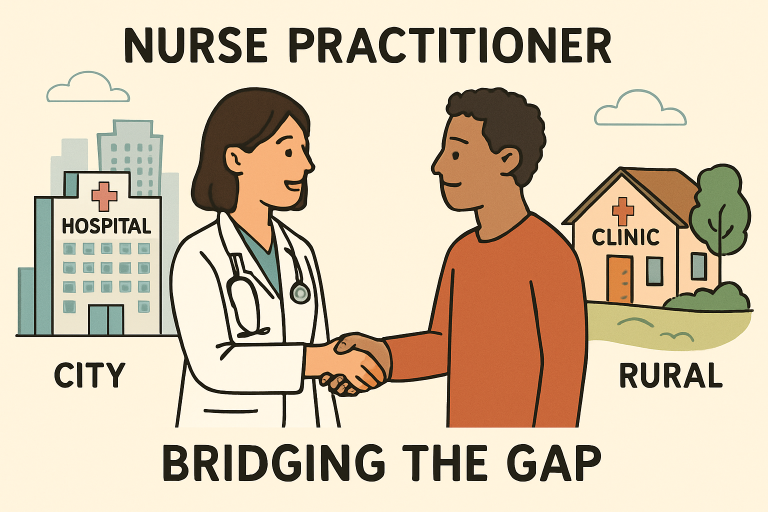
NPs not only fill these gaps but also bring a holistic model of care that prioritizes patient education, preventive measures, and compassionate treatment. As healthcare disparities become more visible, especially in rural and underserved populations, nurse practitioners are stepping up to lead innovative solutions and close these divides.
Rising Demand for Healthcare Services
The United States is on the brink of a healthcare provider shortage, with the Association of American Medical Colleges projecting a deficit of nearly 122,000 physicians by 2032. This gap is particularly severe in rural and economically disadvantaged regions, where residents already struggle to access basic health services. Factors such as a rapidly aging population and a rise in chronic diseases like diabetes, hypertension, and obesity further strain the capacity of the existing healthcare workforce.
Without sufficient primary care providers, patients often experience delays in care, reduced disease prevention, and poorer health outcomes. This trend not only affects individual patients but also increases the burden on the broader healthcare system through higher hospitalization rates and emergency department visits.
The growing demand highlights a systemic need for qualified professionals who can step into advanced roles and provide continuous, community-based care resources, as described by Health Affairs.
The Role of Nurse Practitioners
Nurse practitioners are advanced practice registered nurses who receive specialized graduate-level education, equipping them to independently diagnose illnesses, prescribe medications, and manage patients with complex needs. Their expanded scope of practice enables them to serve as primary and specialty care providers, filling critical gaps left by physician shortages.
NPs adopt a holistic, patient-centered approach. Alongside medical treatment, they emphasize disease prevention, education on healthy lifestyle choices, and the importance of regular screenings. Their ability to build ongoing relationships with patients positively influences adherence to treatment plans and improves long-term health outcomes.
Impact on Rural Healthcare
Physician shortages are most acutely felt in rural areas, where nurse practitioners often become the main, if not the only, providers of healthcare services. NPs in these communities are vital in providing a broad range of services typically reserved for physicians, including primary care, chronic disease management, and urgent care interventions. Their versatility and presence help reduce rates of preventable hospital visits and enhance the overall health of populations living far from urban centers.
By living and working within these communities, NPs also cultivate trust and familiarity. This reputation allows patients to receive consistent care close to home, sparing them the need to travel long distances for basic medical needs.
The contribution of NPs in these areas is so significant that their absence would mean significant lapses in care, particularly for vulnerable groups, including children and older people. More details on rural health access are available in reports from the Rural Health Information Hub.
Addressing Mental Health Needs
The U.S. is currently experiencing a mental health crisis, amplified by a scarcity of psychiatrists and therapists in many communities. Psychiatric-mental health nurse practitioners (PMHNPs) play a vital role by offering therapy services, medication management, and crisis intervention. Their training allows them to screen for mental health issues, provide both short-term and long-term interventions, and coordinate care with other providers.
PMHNPs are especially essential in underserved and rural areas, where access to mental health professionals is often limited or nonexistent. By being available locally, they help reduce stigma, increase follow-up rates, and enable early intervention that can prevent worsening of mental health conditions. Their dual focus on both medical and psychosocial elements is key to comprehensive mental health care.
Geriatric Care and Nurse Practitioners
A similar rise has not kept pace with the growth of the older adult population in the number of healthcare professionals specializing in geriatric care. NPs with geriatric expertise address medical, psychological, and social issues faced by seniors. They manage chronic conditions, oversee medication regimens, and assess for cognitive or functional decline.
Through their comprehensive assessments, nurse practitioners help seniors age with dignity, supporting independence and quality of life wherever possible. Their presence in nursing homes, assisted living facilities, and home-based care settings is invaluable for minimizing hospitalization and unnecessary emergency services.
Educational Pathways for Nurse Practitioners
Nurse practitioners must first be licensed registered nurses who go on to earn advanced degrees, such as a Master of Science in Nursing (MSN) or Doctor of Nursing Practice (DNP). Specialized tracks and concentrations, such as those in family or psychiatric-mental health, hone their skills in specific patient populations and conditions. Universities across the country, including Immaculata University, offer accredited programs to support aspiring NPs on this path.
Educational programs include a mix of classroom instruction and clinical placements, preparing graduates for real-world, complex clinical environments. The push for ongoing professional education is strong, reflecting both the dynamic nature of healthcare and the need for practitioners to remain current amid advances in science and technology, as well as in best practices.

Challenges and Opportunities
NPs must navigate a patchwork of state regulations that dictate their scope of practice. In some states, full practice authority permits NPs to operate independently, while others require physician supervision or limit prescriptive privileges. These inconsistencies create barriers to care in many regions and highlight the need for continued advocacy around expanded practice rights for NPs.
Besides regulatory challenges, NPs also confront issues such as reimbursement policies and the ongoing need to foster interprofessional collaboration. Nevertheless, with support and recognition, nurse practitioners are uniquely positioned to lead innovations that make healthcare more equitable, accessible, and effective for all.
Conclusion
Nurse practitioners are an essential force in today’s healthcare system, providing versatile, compassionate, and high-quality care across all settings. Their growing role is instrumental in overcoming provider shortages and addressing the needs of diverse and aging populations. As the healthcare environment continues to shift, the expertise and dedication of NPs will remain central to closing care gaps and driving better health outcomes for every patient.
Nurse
Monday 15th of June 2026
Nurse practitioners play an important role in improving access to healthcare and supporting better patient outcomes. Skilled medical guidance and timely care can make a real difference in overall health. Excellent insights shared.
Alaina
Tuesday 16th of June 2026
Thank you!