
This post may contain affiliate links. I only recommend products I use and love. Read the full disclosure here
Updated on: May 4, 2026
Originally published on: May 4, 2026
The way we view mental health has changed a lot lately. People are starting to realize that these issues are just as significant as physical ones. If you have been searching for treatment for anxiety and depression, you are not alone—and there are more options available today than ever before. Everyone deserves a life filled with peace and balance.

Modern life brings unique challenges that can impact your mood and stress levels. Finding ways to cope with these pressures is a journey that looks different for every person. You are not alone in seeking a path toward a healthier mind and a more stable future.
Finding Support in Local Communities
Community resources provide a foundation for those seeking to improve their mental health. Looking for psychiatric services in Gainesville can help you identify the specific tools you need to manage your symptoms effectively. Taking this step shows a commitment to your own health and future happiness.
Local clinics offer a variety of programs tailored to individual needs and lifestyles. Working with professionals in your area makes it easier to attend regular sessions and build a lasting relationship with your care team. Having a nearby support system is a huge advantage when you are navigating difficult times.
Understanding Current Mental Health Statistics
Understanding the numbers behind mental health helps put your own experiences into perspective. Data from a federal health protection agency indicates that 1 in 8 adults in the U.S. regularly deal with feelings of worry or nervousness. These figures represent a significant portion of the population facing similar hurdles.
Recognizing that millions of others share your struggles can make the path to recovery feel much less daunting. It proves that anxiety is a widespread issue rather than a personal failing. This awareness is a major part of reducing the stigma surrounding mood disorders.
The Growing Prevalence of Mental Illness
Recent reports from a national mental health non-profit show that over 60 million people in the U.S. experienced some form of mental illness in 2024. This number equals nearly a quarter of the entire adult population. It highlights the urgent need for accessible care across every state and city.
Common signs of mood disorders include:
- Persistent feelings of sadness or emptiness.
- Changes in sleep patterns or appetite levels.
- Difficulty concentrating on daily tasks.
- Loss of interest in hobbies you once enjoyed.
Large numbers like these suggest that our society is at a turning point regarding emotional wellness. People are becoming more open about their struggles and the help they require. This shift is leading to better resources and more understanding from employers and families.
Seeking Professional Medical Guidance
Statistics from a federal research institute reveal that less than half of the adults with mental illness received services last year. This gap suggests that many individuals are still struggling without the clinical support they need. Finding ways to connect more people with doctors is a top priority for health experts.
Barriers to care can range from high costs to a lack of available providers in certain regions. Overcoming these obstacles is necessary to help every person reach their full potential. Clinical guidance provides the structure and medical expertise that self-help methods sometimes lack.
Global Perspectives on Mental Health Investment
A global health organization recently stated that putting money into mental health is an investment in communities and economies. They suggest that no country can afford to ignore these needs if they want to thrive. Supporting mental wellness helps everyone lead more productive and fulfilling lives.
When people feel better mentally, they are more likely to participate in their local workforce and social circles. This creates a positive ripple effect that benefits everyone. Investing in these services is a smart choice for the long-term health of any nation.
Innovative Clinical Treatments for Depression
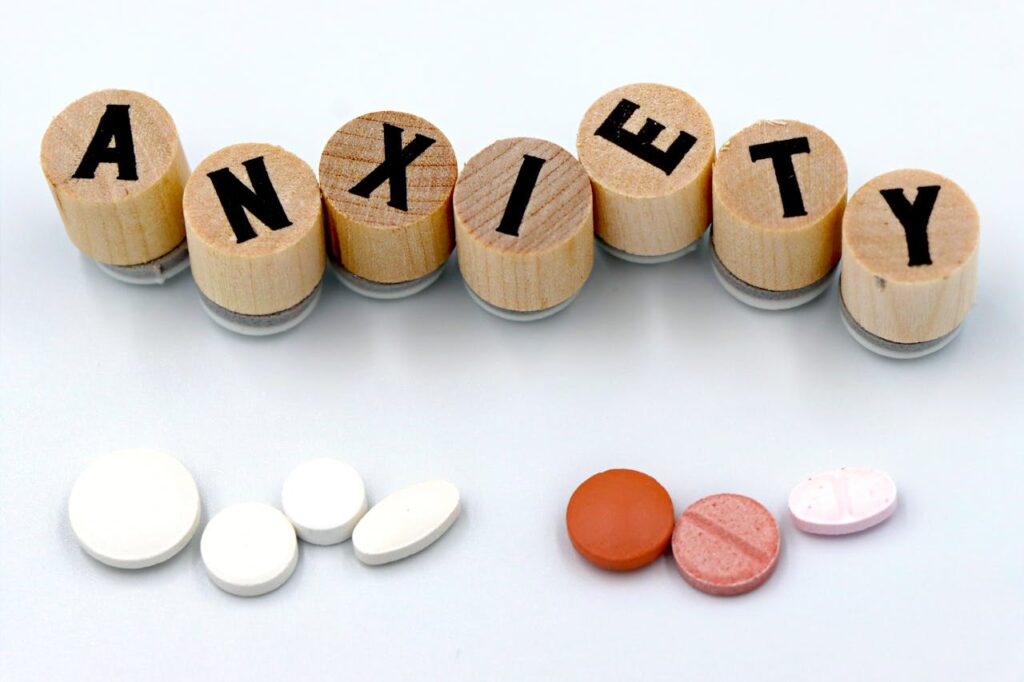
Medical science continues to find new ways to help those with treatment-resistant depression. A medical news outlet reported that a specific nasal spray treatment was recently approved as a stand-alone therapy for adults. This breakthrough offers hope to many who did not find relief through oral medications.
These advancements represent a new era in psychiatric care where options are expanding. Patients now have more choices than ever before when it comes to managing their brain chemistry. Discussing these new treatments with a doctor can open doors to recovery that were previously closed.
The Impact of Modern Technology on Care
Technology is changing the way doctors interact with their patients in the modern era. A university publication noted that digital psychiatry and AI-driven apps are becoming more important in the medical field. These tools can provide extra support and tracking between regular office visits.
Digital tools allow for real-time monitoring of symptoms and mood swings. This data helps physicians make more informed decisions about treatment adjustments. As these technologies improve, they will likely become a standard part of every mental health plan.
Physical Wellness and Cognitive Strength
Physical activity is another powerful tool for managing mood and brain function. An industry blog recently discussed how resistance training helps release a specific protein that aids in brain cell growth. This protein is a key part of how we learn and remember new information.
Benefits of regular physical movement:
- Improved blood flow to the brain and nervous system.
- Natural release of feel-good chemicals like endorphins.
- Reduced physical tension in the muscles and joints.
- Better sleep quality throughout the night.
Adding movement to your routine does not require hours at the gym. Even short walks or light weightlifting can make a noticeable difference in how you feel. It is an accessible way to boost your mood without any side effects.

How Gender Influences Mood Disorder Rates
Gender can play a role in how mood disorders manifest and are reported. A research study found that women experience depression at about twice the rate that men do. Understanding these differences helps providers create more tailored treatment plans for every patient.
Hormonal shifts and societal expectations often impact women in unique ways. Men may also face specific barriers – like the pressure to appear strong – that keep them from seeking help. Recognizing these patterns allows for more compassionate and effective care for everyone.
Taking the first step toward mental wellness is often the hardest part of the process. You have the power to change your story by reaching out for support today. A brighter and more peaceful life is possible with the right guidance and care.