
This post may contain affiliate links. I only recommend products I use and love. Read the full disclosure here
Updated on: May 6, 2026
Originally published on: May 5, 2026
Knee pain often starts as a small ache during a morning walk or climbing stairs. If you have been wondering how to relieve knee pain, you are not alone, as many people ignore the discomfort until it begins to limit daily movements or even interfere with sleep.
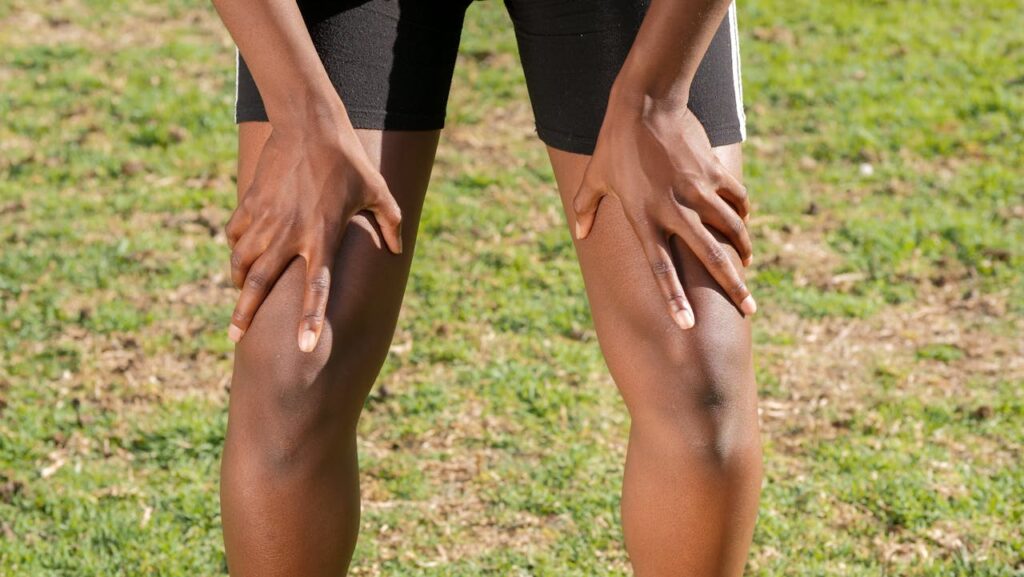
Over time, what feels like a minor issue can slowly turn into something that affects your daily routine, making simple tasks more challenging than they should be. Paying attention early and understanding what your body is telling you can make a big difference in how quickly you find relief and get back to feeling like yourself again.
Recognizing Early Warning Signs
Identifying the exact location of the ache is a smart step toward feeling better. Experts like Dr Jonathan Negus help patients understand the best path forward for their joint health. Guidance makes a big difference when deciding between physical therapy and more advanced procedures.
Small changes in how you move can sometimes prevent further damage to the area. Paying attention to early signs keeps you active for a longer period. You might notice that stiffness occurs after sitting for a long time or when you first wake up.
It is helpful to track when the pain occurs. Keeping a simple log of your activity levels and pain levels provides useful data for a doctor.
Modern Injection Therapies For Arthritis
Medical science continues to offer new ways to manage joint health without immediate surgery. Some patients find that localized treatments provide enough relief to return to their favorite hobbies. Modern options are becoming more popular as people seek ways to avoid long hospital stays.
One health study noted that platelet-rich plasma injections showed a 60% improvement in pain scores for mild-to-moderate knee arthritis. The method uses the body’s own components to support the healing process within the knee joint.
Patients often prefer this route since it avoids the risks of more invasive methods. Having many choices allows individuals to find a plan that fits their specific needs. You can discuss your options with a specialist to see if they are a good match for your situation.
Surgical Trends For Younger Patients
Timing is everything when it comes to major medical procedures for your joints. Many people now choose to address long-term damage earlier in life to stay active for years to come.
A report indicated that knee replacements are projected to increase significantly by 2030. The same data showed a rise in procedures for patients under age 55 who want to stay mobile. Younger patients are often looking to return to sports or physically demanding jobs.
Early intervention is key to avoiding more complex issues later on. Modern techniques allow for faster recovery times and better long-term outcomes for younger patients.
Innovations In Nerve Treatment
Managing chronic pain requires looking at how the body sends signals to the brain. If traditional methods fail, blocking signals can offer a fresh start for many sufferers. New technologies are making it possible to target pain at its source with great precision.
An article mentioned that specific nerve ablation techniques can provide relief for up to 12 months in non-surgical candidates. The technique is a non-invasive way to manage pain for those who are not ready for a major operation.
It is a helpful option for those who may have other health issues that prevent them from undergoing major surgery. Advancements give hope to people who have struggled with pain for years. Finding relief allows individuals to participate in physical therapy and other activities that improve joint function.
Lifestyle Shifts For Joint Pressure
Carrying extra weight puts a heavy load on the structures that support your legs. Even a small change in body mass can result in a massive difference in how your joints feel daily.
Low-impact exercises keep the joint lubricated and the supporting muscles strong. Movement is often the best medicine for stiffness and limited range of motion. You can start with simple activities that do not put too much stress on the bones.
- Swimming and water aerobics.
- Stationary cycling.
- Walking on flat surfaces.
- Strength training for legs.
Staying consistent with small actions builds a foundation for better mobility. Simple habits often lead to the most sustainable improvements over the years. You will find that regular movement helps reduce the frequency of painful flare-ups.
The Role Of Physical Therapy
Staying still might seem like the best way to avoid pain, but movement is often the best medicine. Professional guidance helps you move in ways that strengthen the area without causing more harm. A physical therapist can show you the correct form for every exercise.
Physical therapy keeps the joint flexible and prevents the muscles from weakening. A therapist creates a custom plan based on your unique physical needs and goals.
Following a set plan helps you track your progress and stay on the right path. Consistency is the key to maintaining flexibility and preventing the joint from locking up. Small improvements in strength and range of motion add up to a significant difference in your daily comfort.
Impact Of Proper Footwear Choice
The shoes you wear every day affect how your knees align with your ankles and hips. Poor support in your arches can lead to uneven wear on the knee joint surfaces. Choosing the right gear is a fundamental part of managing pain from the ground up.
- Arch support for flat feet.
- Cushioning for high impact.
- Proper sizing to avoid slipping.
- Replacing worn-out soles.
Replacing old shoes before they lose their structure is a simple way to protect your legs. You might notice less pain simply by switching to a pair with better shock absorption.
Professional advice on footwear can make a difference if you spend a lot of time on your feet. Small adjustments in your gear lead to big improvements in how you feel at the end of the day. Proper alignment starts at the feet and travels all the way up to your hips.
Long-Term Joint Maintenance
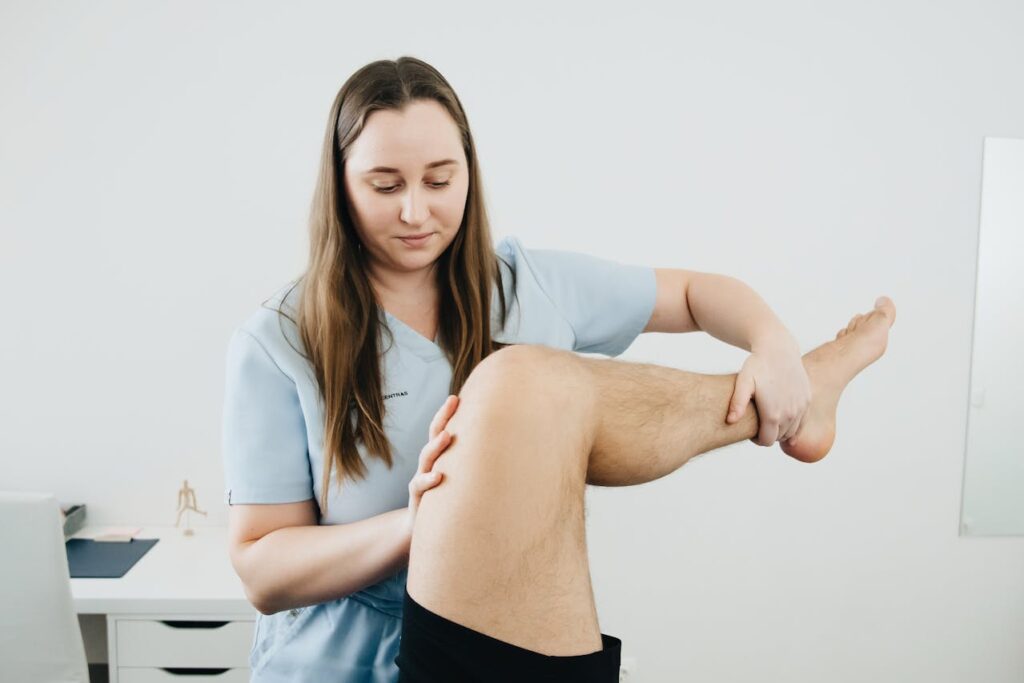
Consistency is the key to maintaining flexibility and preventing the joint from locking up. Following a set plan helps you track your progress and stay on the right path. It is better to do a little bit of movement every day than to overdo it once a week.
Knee health is a journey that involves medical care and daily habits. Taking small steps today can lead to a much more comfortable future. You have the power to influence how your joints feel by making healthy choices every day.
Focusing on long-term goals helps you stay motivated through the recovery process. You can regain your strength and enjoy the activities you love with the right support. Staying positive and active is the best way to keep your knees healthy for the long haul.