
This post may contain affiliate links. I only recommend products I use and love. Read the full disclosure here
Updated on: May 12, 2026
Originally published on: May 11, 2026
If you have pets, you already know a pet emergency can happen when you least expect it. One minute your dog is zooming around the house like a furry tornado, and the next he’s suddenly limping, coughing, or acting “off” in a way that sends your heart straight into panic mode.

The hard part is that our pets can’t tell us what hurts. They can’t explain whether they ate something toxic, twisted a leg, or just aren’t feeling right. That’s why knowing how to spot an emergency early and what to do next matters so much. Staying calm and acting quickly can make a huge difference in protecting your pet and helping them recover faster.
It’s also smart to know in advance where to go if something serious happens. Having information for Emergency Services Near Hebron CT, ready before an emergency pops up can save valuable time when every second feels important. Trust me, trying to Google emergency vets while holding a sick or injured pet is not something anyone wants to deal with.
Pet emergencies can happen fast, and sometimes the warning signs are subtle at first. Learning what to watch for, understanding basic first aid, and having a simple plan in place can help you feel far more prepared if the unexpected happens.
Common Signs of Pet Emergencies
Because pets can’t tell us what’s wrong, we have to pay attention to changes in and physical symptoms. Some emergencies are obvious, while others start with smaller warning signs that quickly become serious. Knowing the common signs of a pet emergency can help you act before things get worse.
Difficulty Breathing
Heavy panting, rapid breathing, wheezing, choking sounds, or constant coughing should never be ignored. If your pet seems to struggle to catch their breath, it’s time to seek veterinary help immediately.
Severe Bleeding
A small cut is one thing, but bleeding that won’t stop is another story entirely. Watch for excessive bleeding from wounds or bleeding from the mouth, nose, or rectum.
Sudden Collapse
If your pet suddenly faints, becomes weak, or can’t stand up normally, it could point to poisoning, heart problems, or another serious medical issue.
Seizures
Shaking, twitching, loss of body control, foaming at the mouth, or staring off into space can all be signs of a seizure and should be treated as an emergency.
Ingestion of Toxic Substances
Chocolate, grapes, xylitol, medications, cleaning products, and certain plants can all be dangerous for pets. Symptoms may include vomiting, drooling, tremors, or unusual behavior.
Sometimes the signs aren’t dramatic at first. Repeated vomiting, extreme lethargy, refusing food, or excessive drooling can also signal that something serious is going on. If your gut says something isn’t right, it’s always better to call your vet and ask.
Immediate Steps to Take During a Pet Emergency
When an emergency happens, your pet needs you to be calm and focused, even if you’re internally freaking out a little. Taking the right steps quickly can help stabilize your pet until professional care is available.
Assess the Situation
Take a quick look at what’s happening and determine how serious the situation is. Keep yourself safe too. Even the sweetest pets may bite or scratch when they’re scared or hurting.
Contact Your Veterinarian
Call your regular veterinarian right away. If it’s after hours, contact the nearest emergency animal hospital for guidance. They can often tell you what to do while you’re on the way.
Provide Basic First Aid
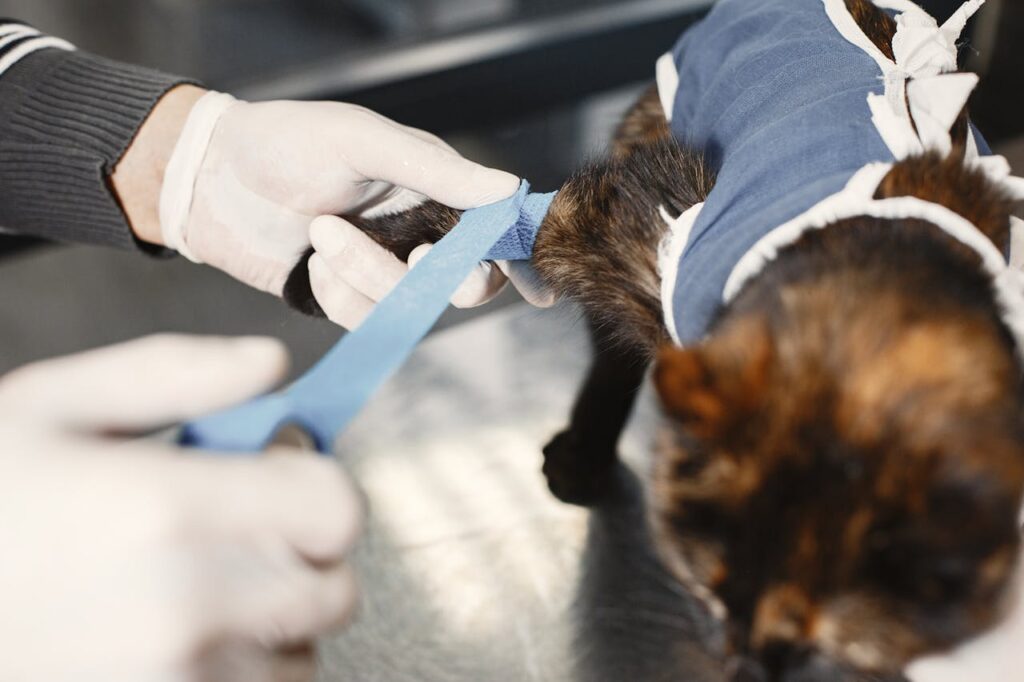
If you know basic pet first aid, you may be able to help temporarily by applying pressure to bleeding wounds or gently moving your pet away from danger. Just avoid doing anything that could accidentally make injuries worse.
Transport Your Pet Carefully
Move your pet slowly and carefully, especially if you suspect broken bones or spinal injuries. A thick blanket can work surprisingly well as a stretcher for larger pets.
One of the biggest things to remember is not to wait too long, hoping the issue will magically improve on its own. Quick action often leads to better outcomes. If poisoning is suspected, the ASPCA Animal Poison Control Center can provide 24/7 guidance during toxic exposure emergencies.
Preparing for Potential Pet Emergencies
Nobody likes thinking about emergencies, but being prepared ahead of time can make a stressful situation feel a little less overwhelming.
Put Together a Pet Emergency Kit
A simple emergency kit can be a lifesaver. Include things like:
- Gauze and bandages
- Antiseptic wipes
- Tweezers
- Disposable gloves
- A digital thermometer
- Your pet’s medical records
- Emergency contact numbers
Keeping everything together in one easy-to-grab container saves precious time during an emergency.
Keep Important Numbers Handy
Store your vet’s number in your phone and keep emergency clinic information posted somewhere visible at home, too. During stressful moments, even simple things can become hard to remember.
Learn Basic Pet First Aid
Pet first-aid classes are honestly worth considering. Many local organizations and online programs teach valuable skills that can help you stay calmer and respond more effectively during emergencies.
Even taking a few small steps now can make a huge difference later.
Understanding Emergency Veterinary Services
Emergency veterinary clinics are not all the same, and availability can vary depending on where you live. Some areas have full 24/7 emergency hospitals, while others may only offer limited after-hours care.
Before an emergency ever happens, take a few minutes to research nearby emergency clinics and animal hospitals. Find out:
- Their hours of operation
- What services do they offer
- Whether they handle overnight monitoring
- If they have specialists on staff
- How they handle emergencies after normal business hours
Having a plan in place ahead of time removes a lot of panic when emotions are running high.
When to Seek Immediate Veterinary Care
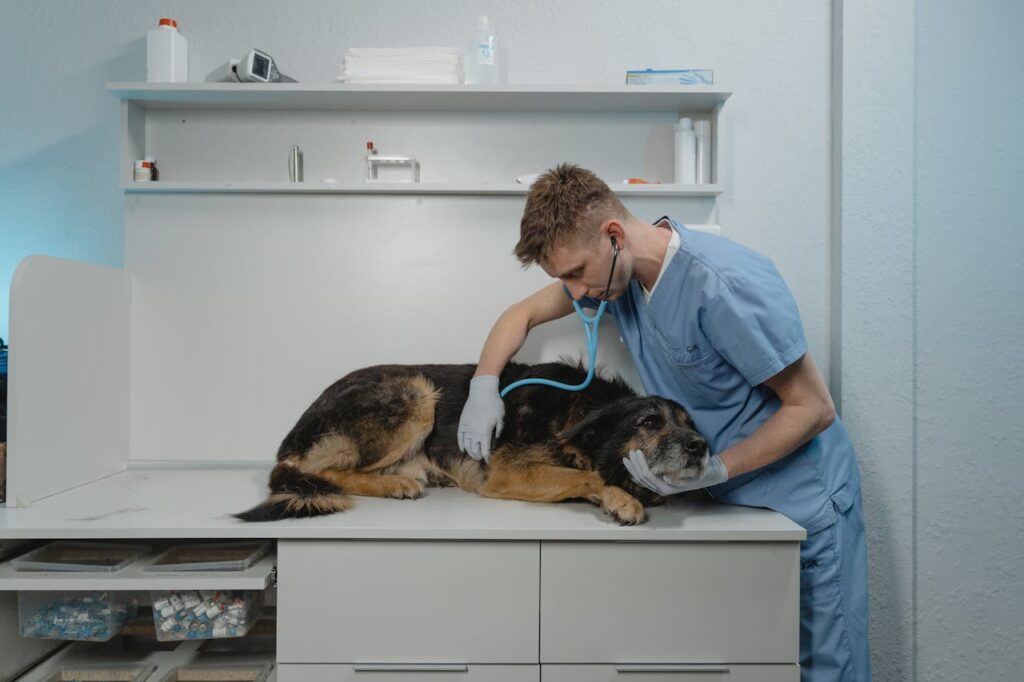
Some situations should never be treated as “wait and see” problems. Your pet needs immediate veterinary attention if they experience:
- Being hit by a car or suffering major trauma
- Difficulty breathing or choking
- Suspected poisoning
- Seizures
- Severe or uncontrolled bleeding
- Sudden collapse or loss of consciousness
- Persistent vomiting combined with weakness or lethargy
One thing I’ve learned over the years is that pet owners usually know when something feels wrong. Trust that instinct. It’s always better to make a cautious vet visit than to wish you had gone sooner.
Final Thoughts
Being a pet parent comes with plenty of happy moments, but it also comes with responsibility during the scary ones, too. Knowing how to recognize emergency warning signs, respond quickly, and prepare ahead of time can help protect your furry family members when they need you most.
Hopefully, you never have to deal with a serious pet emergency. But if you do, having a plan already in place can help you stay calmer, act faster, and give your pet the best possible chance at a full recovery.
Emergencies can strike at any time, and pets are often unable to communicate their pain or distress in