
This post may contain affiliate links. I only recommend products I use and love. Read the full disclosure here
Updated on: February 10, 2026
Originally published on: February 10, 2026
A cat’s slow blink at you from across the room is a good indicator that your cat trusts and feels comfortable with you, but it can also be one of many cat behavior and health clues that reveal what’s happening beneath the surface. Understanding what these behaviors mean can help you better recognize your cat’s emotional state, identify how stressed they may be feeling, and spot potential issues related to their physical health before they become serious.

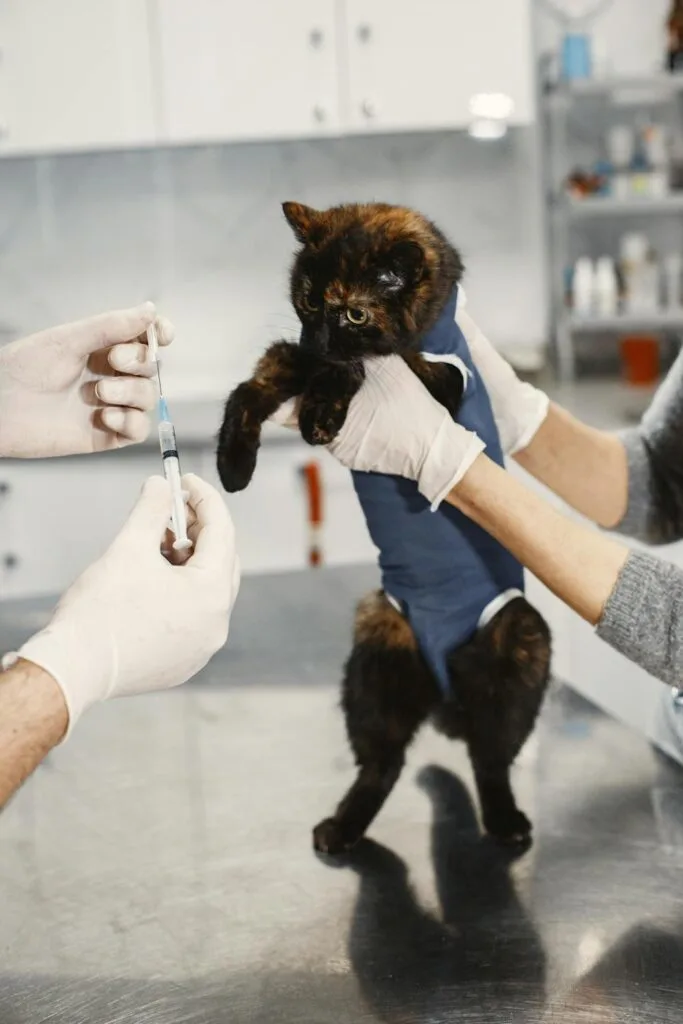
A strong relationship between an owner and pet can serve as a valuable diagnostic tool and a form of preventative medicine, helping support long-term feline wellness by making subtle changes easier to notice and address early.
The Science of Bonding
Attachments in Cats
Secure attachment in cats is developed through the use of positive, gentle interactions. When two animals engage in mutual grooming sessions, oxytocin (the hormone responsible for bonding) increases, the immune system strengthens, and cortisol levels decrease. Fearful cats will cling when anxious, but run away or become aggressive when handled. Avoidant cats will create distance and display elevated levels of cortisol as well.
Health Benefits of Strong Relationships Between Owners and Pets
Stronger bonds between owners and pets allow owners to identify subtle signs of illness prior to significant decline – such as decreased appetite, changes in grooming habits, etc. Additionally, weak relationships may cause owners to seek medical attention once their pets have significantly deteriorated to the point where they are hiding advanced stages of disease.
When owners establish a trusting relationship with their pets, they can provide a calming influence on them during veterinary examinations and dramatically increase the likelihood of the pet accepting medical treatment.
Stress in Feline Health
Common Environmental Triggers
Common environmental stimuli that lead to stress in cats include litter box overcrowding, furniture changes, and new people living in the house. Overwhelming stress responses cause many cats to exhibit excessive grooming, resulting in hair loss (bald spots), urine spraying, and redirected aggression toward people or other pets.
Once chronically elevated levels of cortisol are present in a cat’s body, it can invite the onset of feline lower urinary tract disease (FLUTD), including cystitis, inflammatory bowel disease, and skin collapse.
The FLUTD connection
Lower urinary tract disease in cats is an extremely common reason for veterinary visits; almost 90 percent of cases are idiopathic (there is no identifiable medical cause), but most often the result of stress.
As crystals develop in a cat’s urine, they can clog a cat’s bladder, leading to inflammation, which can ultimately lead to death for male cats if left untreated, because they cannot urinate quickly enough to prevent severe blood loss.
In multi-cat households that are under stress, the presence of increased conflict has been found to increase the rate at which cats will experience recurrent episodes of lower urinary tract disease by three times.
Reducing the impact of stress on bonding
Cats who have developed strong bonds with their owners have shown a decrease of approximately 35% in exhibiting fearful behaviors when visiting the cat veterinarian. If owners allow their cats to establish clear boundaries about physical contact while maintaining a trusting relationship, cats may feel less anxiety when being boarded or moved. Interactive play daily and slow blinking can help reduce the likelihood of aggressive behavior related to territorial disputes and food/resource guarding.
Behavior Reveals Hidden Medical Issues
Selective Human Preference
Cats that show a preference for just one person in a multi-person household may be experiencing mobility issues due to arthritis or hip dysplasia, which makes it difficult to climb stairs and get to their favorite person.
The selective lap use of cats can be indicative of arthritis that is causing them to limit how they interact with you. Oral health problems can also cause cats to avoid being touched or petted on specific areas of their body.
Weight loss and bad breath (halitosis), along with changes in appetite and elimination habits, are often a result of these types of bonding changes.
Appetite & Elimination Changes
A cat that stops eating suddenly may have dental problems such as an abscess or pancreatitis. A cat that stops using the litter box, but continues to eliminate at home, may have kidney failure or constipation.
Many times, a cat’s owner will recognize the sudden onset of this type of behavior before a vet visit. This allows the owner to begin hydrating the cat to prevent dehydration and other complications associated with this type of crisis.
Sleep Patterns
A cat that sleeps excessively (over 18 hours per day) may be suffering from hyperthyroidism or anemia. A cat that is pacing at night may have high blood pressure or cognitive decline. As the most intimate caregiver for your cat, you are able to identify when normal “senior cat” behaviors are hiding underlying medical conditions.
Creating Therapeutic Environments
Vertical Space Design
Multilevel cat trees, scratching posts, and window perches are effective in decreasing territorial behavior in cats 60% of the time. The use of synthetic pheromone products has been shown to decrease the number of times a multi-cat household will spray down 75%. A separate feeding station is used to prevent bullies from preventing other cats from eating, which can mask illness in a timid cat.
Optimization of Litter Boxes
One rule for litter boxes is to have one litter box per cat plus one extra. It is important to clean the litter box twice a day, and also to keep it in a quiet location of the house, and away from food. If a cat develops diarrhea due to stress, it may respond to the regular cleaning of the litter box before medication failure.
When bonded owners notice an immediate pattern of their cat avoiding them, it is best to have their cat examined by a veterinarian as soon as possible for potential underlying medical reasons.
Nutritional and Wellness Protocols
Dietary Stresses
The use of Stress Formula Diets is effective in reducing stress dermatitis inflammation caused by Omega-3 supplements. Probiotic supplements help to restore disrupted gut bacteria when antibiotics have been prescribed.
Diet formulas made with hydrolyzed proteins can help to alleviate food allergy symptoms that mimic behavioral problems in cats. The act of hand feeding helps to build trust in your cat and ensures they are receiving proper nutrition.
Annual Examination Requirements
- Complete Blood Chemistry Test
- Urinalysis for Subclinical Infections
- Blood Pressure Measurement
- Dental Radiographs
- Abdominal Ultrasound Screening
When using bonded cats for examination purposes, there is typically no need for heavy restraint. This reduces the amount of sedation required during examination procedures.
Conclusion
Your cat’s behavior is an indication of both their overall physical and emotional wellbeing. The strength of the relationship that you have with your cat allows you to be aware of subtle changes as they happen which are often indicative of potential serious illnesses before the symptoms become apparent.
There are many medical conditions that mimic “personality changes” without the observant owner knowing it; therefore, your active participation in providing proper care, nutrition, and routine veterinary visits will provide you with the tools to help keep your cat a happy and thriving pet.