
This post may contain affiliate links. I only recommend products I use and love. Read the full disclosure here
Updated on: July 7, 2026
Originally published on: July 7, 2026
Electric butter churns have totally transformed how home cooks and small-scale dairy producers handle butter making. Ever wondered what you can actually make with an electric butter churn? The answer stretches far beyond that simple yellow block sitting in your grocery store dairy case.
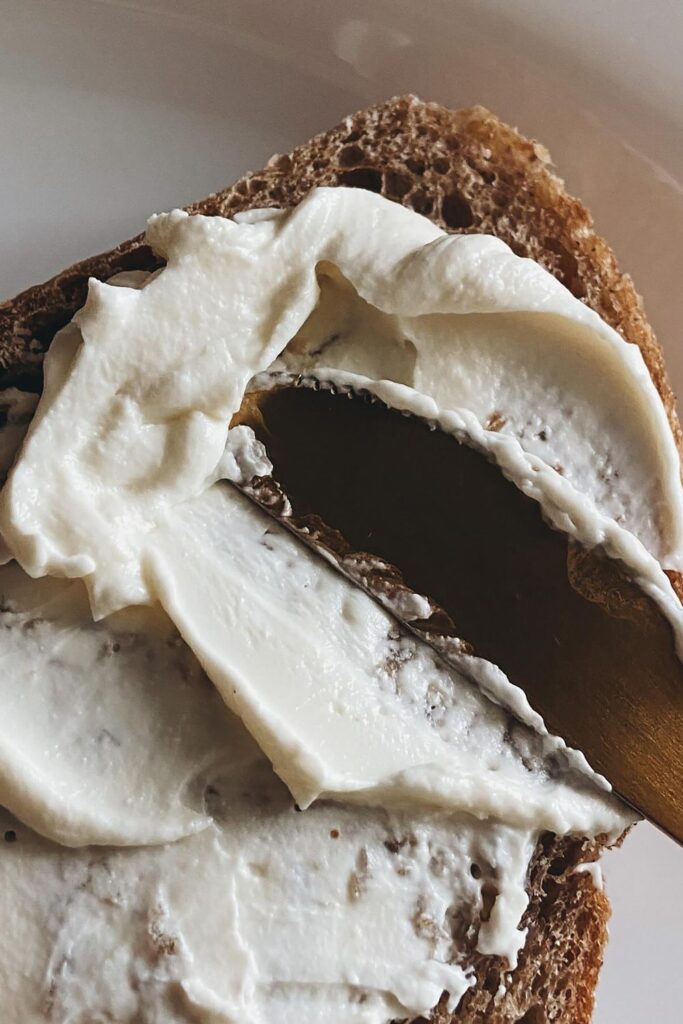
You’ve got silky cultured butter, aromatic herb-infused spreads, clarified butter for high-heat cooking, rich ghee, and European-style butter. The range is honestly wider than most people realize.
A solid electric butter churn yanks the exhausting hand-cranking out of the picture and hands you consistent, repeatable results across dozens of butter styles. Whether you’re keeping a few dairy animals or sourcing fresh cream from a local farm, an electric butter churn opens up options that’d take hours by hand.
Classic Butter Varieties You Can Make With an Electric Churn
Electric churns tackle a broader range of classic butter styles than most beginners assume, and Milky Day, electric churn models give you a solid reference point for understanding what speed and capacity settings support each variety.
Here’s the thing: the main difference between classic butter types boils down to your starting cream and how you treat it before churning. Sweet cream butter? That needs fresh, unpasteurized cream. Cultured butter, which develops its signature tangy flavor through fermentation, is made by adding live bacterial cultures to the cream before churning.
Get these starting points right, and you’ll set up your churn correctly from day one, dodge common texture problems, and nail consistent results each time.
Fat content in your cream matters too. Aim for around 35 to 40 percent butterfat; that’s where you’ll squeeze out the highest yields and get the cleanest flavor separation from buttermilk. Source quality cream before you start.
Sweet Cream Butter and Cultured Butter
Sweet cream butter’s the most straightforward style you can produce in an electric churn. Start with fresh, pasteurized heavy cream at room temperature, roughly 60 to 65 degrees Fahrenheit, and let the machine do its thing.
The cream whips through a stage, then suddenly breaks and separates into solid butter and liquid buttermilk. Drain the buttermilk. Rinse the butter under cold water to wash out any remaining liquid, then work in salt if you like it salted. Modern electric churns knock this out in around 20 to 30 minutes; by hand, you’re looking at an hour or more.
Cultured butter follows identical churning steps, but you’re adding a bacterial culture to the cream first and letting it ripen at room temperature for 12 to 24 hours before you churn. This fermentation builds lactic acid, giving the finished butter a noticeably tangy, complex flavor, exactly what you find in French and Scandinavian dairy traditions.
The electric churn handles cultured cream just as smoothly as fresh cream; the extra fermentation prep doesn’t complicate the mechanical side at all. Both styles freeze nicely and can be stored as blocks or rolled into logs.
Clarified Butter and Ghee
Clarified butter and ghee both start with churned sweet cream butter. And that means your electric churn’s still doing the foundational work. After you produce a batch of unsalted sweet cream butter, transfer it to a heavy saucepan and melt it slowly over low heat.
Clarified butter’s ready once you skim the foam off the top and carefully pour the golden liquid fat away from the white milk solids at the bottom. You get pure butterfat with a higher smoke point than regular butter; that’s why it’s the preferred fat for sautéing and high-heat cooking.
Ghee goes further. Keep cooking the butter past the clarification point until the milk solids turn lightly brown and the water fully evaporates; this deepens the flavor into something nutty and rich. It’s a staple in South Asian and Middle Eastern cooking, and home production gives you control over cream quality from the start.
Both products store at room temperature for weeks without spoiling; removing the milk solids eliminates the main source of bacterial activity.
Flavored and Specialty Butters for Modern Cooking
Electric churns give you a solid base butter that accepts added flavors cleanly, making them a natural starting point for flavored and specialty styles. The key is starting with well-made, well-rinsed base butter. Any residual buttermilk left before you add herbs or spices can shorten shelf life and muddy the flavors you’re trying to build.
Rinse your churned butter thoroughly in cold water, knead out any remaining liquid, and let the butter firm up slightly in the refrigerator before mixing in your additions. Working with cold butter is easier because it holds its shape and doesn’t absorb flavors unevenly.
Most flavored butters come together in under 10 minutes once the base is ready; the electric churn does the hard work upfront and leaves you with a clean canvas.
Herb-Infused and Compound Butters
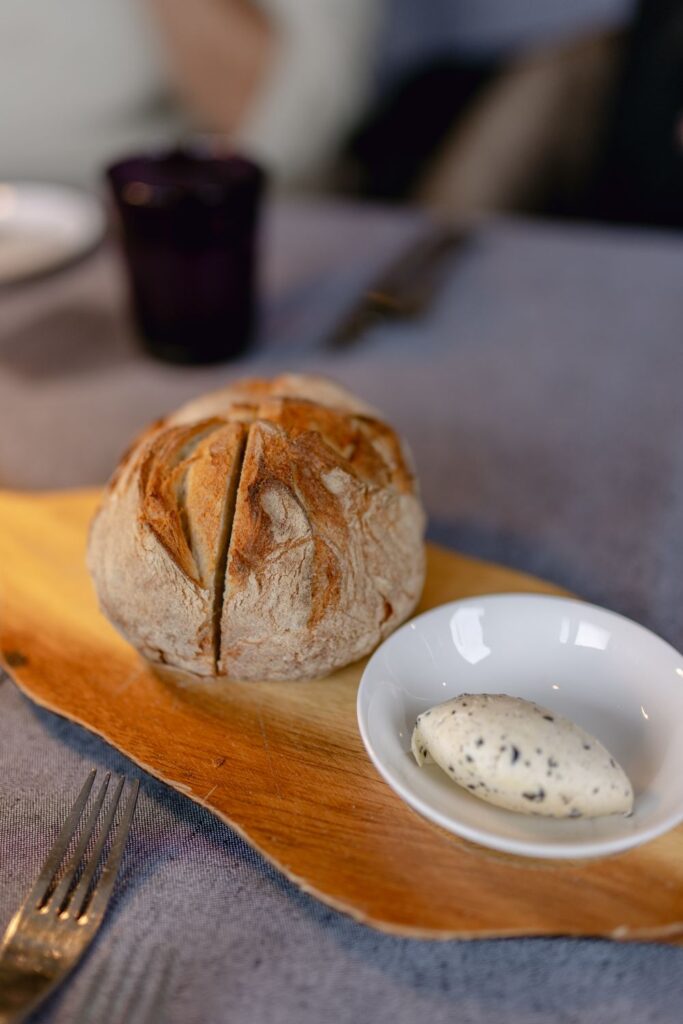
Herb-infused butter and compound butter are basically the same category, with compound butter being the broader term covering any mix of butter and flavorings pressed into a log or molded into portions. You soften your churned base butter slightly, then fold in fresh or dried herbs by hand. Common combinations? Garlic and parsley, tarragon and lemon zest, or rosemary and thyme. But flavor possibilities extend past herbs entirely:
- Roasted garlic and sea salt
- Blue cheese and cracked black pepper
- Honey and cinnamon for a sweet spread
- Miso paste and scallions for an umami-forward profile
- Sun-dried tomato and basil for a Mediterranean style
Each one starts from the same electric churn base; differences come entirely from what you fold in. On a piece of parchment paper, roll the finished mixture into a log, refrigerate until firm, then slice into rounds to melt over steaks, vegetables, or pasta. Compound butters also freeze for up to three months, making batch production practical if you’ve got regular cream access from a farm share or dairy animal.
Brown Butter and European-Style Butter
Brown butter, beurre noisette in French, is another post-churn style you can produce from your electric-churned base. Melt unsalted butter in a light-colored pan over medium heat and watch it carefully as the milk solids toast from white to golden brown.
When the butter smells nutty and the solids look amber, pull it off the heat and pour it immediately into a cool bowl to stop the cooking. Brown butter transforms the flavor profile dramatically; you’re adding a deep, toasty quality that works in both savory dishes and baked goods.
European-style butter differs in origin rather than technique. It’s made from cream with higher fat content, typically 82 to 84 percent butterfat compared to the 80 percent standard in American butter, and it uses cultured cream fermented longer.
So if you source cream with fat content above 38 percent and extend your fermentation time to 24 hours, your electric churn can produce butter meeting European standards. The texture’s noticeably richer and more pliable than standard American sweet cream butter; it performs better in laminated pastry doughs because it doesn’t crack or crumble under pressure.
Choosing the Right Electric Churn Model for Your Butter Projects
The type of butter you want to make does influence which electric churn model suits you best. Not every churn handles small experimental batches and large continuous production runs equally well; your intended use should guide your choice.
Capacity and Speed Settings for Different Butter Types
Capacity and speed control are the two most practical specs to evaluate. A churn with 1 to 3 liters works well for household production of sweet cream butter, compound butters, and small cultured batches. For ghee production or European-style butter, where you’re processing more cream to achieve higher fat yields, a model in the 5 to 10 liter range fits better.
Speed control matters because cultured cream and high-fat cream can break faster than standard sweet cream; a churn that lets you reduce agitation speed gives you more control over texture and prevents over-churning.
Variable speed settings give you the flexibility to handle every butter type in this article without buying separate equipment.
Conclusion
An electric butter churn puts a wide variety of butter styles within reach for anyone with access to quality cream. You can produce everyday sweet cream and salted butter, fermented cultured butter, clarified butter, ghee, compound butters, brown butter, and European-style high-fat butter with one machine.
The differences between these types of butter come down to how you prepare your cream, how long you ferment it, and what you add after churning. Match your churn’s capacity and speed range to the styles you plan to make most often; the process becomes straightforward from your first batch.