
This post may contain affiliate links. I only recommend products I use and love. Read the full disclosure here
Updated on: August 10, 2026
Originally published on: August 10, 2026
Learning something new is one of the easiest ways to add variety, creativity and a sense of accomplishment to your everyday life. If you’re looking for fun things to learn, shaping clay, planting herbs or baking your first loaf of bread can help you explore new interests, build confidence and enjoy creating something with your own hands.

The best hobbies make room for curiosity and growth. Some become lifelong passions, others turn into side businesses and many simply bring more enjoyment to your daily routine. If you’re ready to explore a fresh interest, these fun skills and hobbies are great places to start.
1. Learn Pottery
Working with clay offers a refreshing, hands-on change of pace in a world filled with keyboards and touch screens. Every pinch, fingerprint, and tool mark becomes part of the finished piece, making each bowl, mug or sculpture unique. That connection encourages you to focus on the present moment while expressing your creativity.
Pottery also teaches patience. Preparing the clay, shaping it and waiting for it to dry before firing all take time, and every step brings opportunities to learn. It’s also challenging, as air bubbles trapped in the clay often contain moisture that explodes during firing. However, this is also how you develop character when under pressure. Ceramic work encourages mindfulness, self-expression, emotional well-being and social connection.
2. Try Homemade Crafts
Crafting at home lets you explore your creativity while making practical or decorative items that you can use, give as gifts or even sell. Whether you enjoy pouring candles, crocheting blankets, creating resin art, painting signs or making seasonal decorations, each project helps you develop new skills while producing something that’s uniquely yours. It’s also an ideal way to involve the whole family.
Working together on handmade products can become a fun weekend activity that teaches your children about teamwork and the value of earning money through their own efforts. Selling finished items at local craft fairs, holiday markets, or through online marketplaces can help fund a family vacation or contribute to your children’s college savings account. You can set up and name your shop and establish a payment system, adding items that draw interest.
3. Bake Something in Your Spare Time
Baking turns everyday ingredients into something comforting and delicious. Whether you try making artisan bread, cookies, pizza dough or muffins, each recipe builds your confidence while you learn new techniques. You’ll quickly master combining ingredients and experiment with adjustments that can change the final result.
The process is just as rewarding as the finished product. Measuring ingredients, kneading dough, rolling pastry and decorating treats all involve steady, repetitive movements that help you slow down and focus on one task at a time. These rhythmic actions can help regulate your nervous system while creating a sense of calm and accomplishment.
4. Take up Gardening and Enjoy Nature
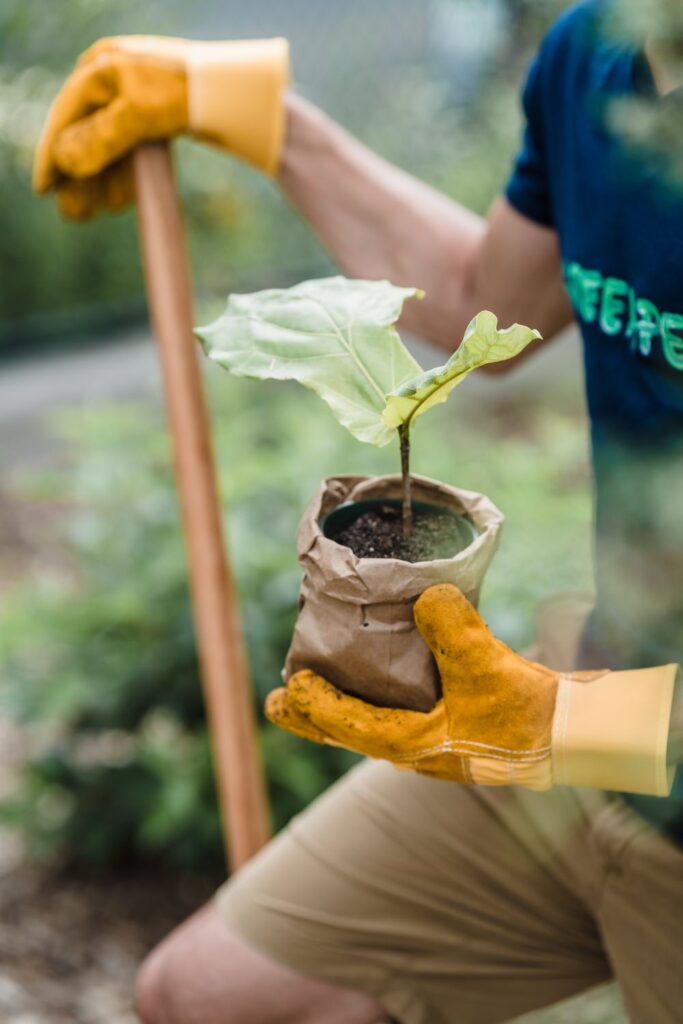
Gardening brings nature into your daily routine in a way that few hobbies can. Whether you plant fresh herbs on a windowsill, grow tomatoes in raised beds or fill containers with colorful flowers, caring for living plants gives you something to nurture and enjoy every day. Even a small outdoor space, balcony or sunny windowsill offers plenty of opportunity to get started.
Spending time in the garden also supports your overall well-being. Research suggests that regular contact with soil and plants through digging and trimming can diversify your skin microbiome, playing an important role in supporting your immune system. Gardening connects you with the natural world, making it easier to appreciate the changing seasons and time spent outdoors.
5. Listen to Music or Play an Instrument
Music lifts your mood while helping you stay engaged in the present moment. Whether you pick up a ukulele or learn a few chords on the piano, every practice session introduces new challenges and opportunities for small victories that keep it enjoyable.
Listening to music sharpens your attention while expanding your appreciation of different sounds. Science supports these feel-good moments, which stimulate the release of dopamine, a neurotransmitter linked to pleasure and motivation. Music also activates brain regions involved in movement, which helps explain why swaying or dancing along to a beat feels so natural.
6. Explore Other Fun Skills
If you’re looking for even more ways to add variety to your routine, plenty of hobbies are easy to pick up and rewarding to practice. You might discover a new passion, strengthen an existing interest or simply enjoy learning something different.
Consider these options:
- Photography: Learn how to capture better photos with your smartphone or camera by experimenting with lighting, composition, color and perspective.
- Birdwatching: Spend time outdoors identifying local birds while sharpening your observation skills and learning more about your area’s wildlife.
- Woodworking: Start with simple projects like shelves, birdhouses, planters or toy boxes and build your practical DIY skills and confidence.
- Chess: Strengthen your strategic thinking, concentration and problem-solving skills with a friendly game.
- Astronomy: Identify constellations, planets and meteor showers with the help of a stargazing app or a beginner’s telescope.
Keep Exploring One New Skill at a Time
Learning something new adds fresh experiences to your routine while giving you opportunities to connect with the world around you. Whichever hobby you choose, focus on building confidence through small, rewarding moments.
Start with something that genuinely sparks your interest. Set aside a little time each week, enjoy the learning process and let your curiosity guide you to try new things that make everyday life more engaging.