
This post may contain affiliate links. I only recommend products I use and love. Read the full disclosure here
Updated on: March 27, 2026
Originally published on: March 27, 2026
Designing a family-friendly backyard design that grows with your family takes a little planning so it can meet your needs now and later. A backyard can serve many purposes, from giving kids a place to play to creating a relaxing spot for adults to unwind or entertain guests.
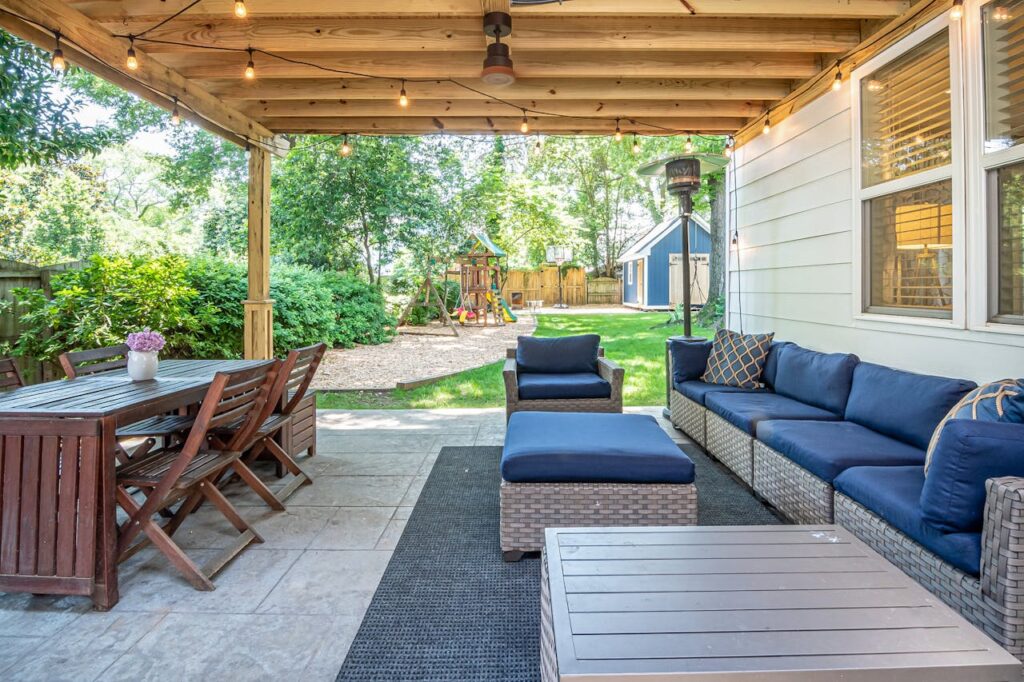
Thinking ahead helps keep the space useful and enjoyable as your family’s lifestyle changes. Flexibility is key, allowing your yard to adapt without needing major renovations every year.
Incorporating outdoor structures can help define areas for different activities, like dining, relaxing, or playing. These structures give your yard a sense of structure that still works as your kids grow and your needs change.
Open spaces can be paired with these features to allow for gardening, sports, or quiet downtime, making your outdoor area functional through every stage of family life. With a little thoughtful planning, your yard can grow right along with your family and continue to work for everyone over time.
Flexible Planning for a Family-Friendly Backyard Design
Start with a well-thought-out plan that covers what you need now while leaving room for changes later. If you have young kids, you may want space for play equipment or open play areas, while older kids might prefer space for sports or a cozy spot to relax.
Designing in phases makes it easier to expand or adjust areas without constantly spending money on major updates. Modular furniture, moveable planters, and flexible patio setups make it simple to refresh your space as your needs change.
When mapping things out, think ahead by adding power sources and water access where you might want future upgrades. That sandpit your kids love now could easily turn into a hot tub or outdoor kitchen later on. Planning for these possibilities now can save you time, money, and stress down the road.
Prioritizing Safety for All Ages
Safety should always come first in a family-friendly outdoor space, especially if you have younger children or host guests often. Start with non-slip surfaces for patios and walkways to help prevent falls. Add secure, lockable gates around pools, ponds, or other water features. For play areas, softer surfaces like rubber mulch or engineered wood fiber can help reduce the risk of injuries.
Shaded areas are also important, giving everyone a break from the sun while still enjoying the outdoors. Make sure fencing is sturdy and well-maintained, especially if your yard is near a road or open area. As your kids grow, you can adjust safety features, but it’s still important to keep some boundaries in place for privacy and peace of mind.
Creating Multi-Functional Areas
When you’re working on a family-friendly backyard design, flexibility is everything. Instead of creating areas that only serve one purpose, think about how each space can grow and change over time. A raised garden bed might start as a vegetable patch and later become a flower garden or a fun family project area. A playhouse could eventually turn into a quiet reading nook or even a small outdoor office.
Open lawn space is always a win. It can be used for games, picnics, or even movie nights, and you can switch things up with seasonal decorations. Keeping activity areas grouped together also makes it easier to keep an eye on kids while still enjoying the space yourself. Built-in seating, storage benches, and flexible layouts help keep everything functional without feeling cluttered.
Selecting Durable and Low-Maintenance Materials
If you want your outdoor space to last, choosing the right materials makes a big difference. Go for durable options like composite decking, powder-coated metals, and all-weather fabrics that can handle changing seasons without fading or wearing down quickly. Stone pathways, brick edging, and sturdy outdoor furniture also hold up well over time with very little upkeep.
Using long-lasting materials means fewer repairs and replacements, which saves both time and money. It’s also a good idea to choose products that are safe for kids and pets, so your space works for everyone in the family.
Incorporating Natural Elements
Bringing natural elements into your outdoor space adds warmth and makes everything feel more inviting. Planting shade trees can help keep things cooler in the summer while also shaping your yard over time. Adding native flowers creates a space that supports pollinators like bees and butterflies, while also adding color and life.
Water features, whether it’s a small fountain or a pond, can create a calming atmosphere with gentle sounds and movement. Choosing native plants helps cut down on watering and maintenance while attracting birds and helpful insects. Spending time in a space filled with greenery is good for both kids and adults, offering a chance to connect with nature and enjoy being outside.
Designing Entertainment Zones
Outdoor spaces often become the go-to spot for family time and gatherings. Creating designated entertainment areas makes it easier to host everything from casual dinners to birthday parties. A patio with comfortable seating, a grill, or even a fire pit can quickly become a favorite hangout spot.
Adding lounge chairs, umbrellas, or pergolas helps create cozy areas for relaxing or chatting. If you often have guests, look for flexible seating options or extendable tables so everyone has a place to sit. Keeping these areas close to the kitchen or play spaces also makes things more convenient and keeps everything flowing smoothly.
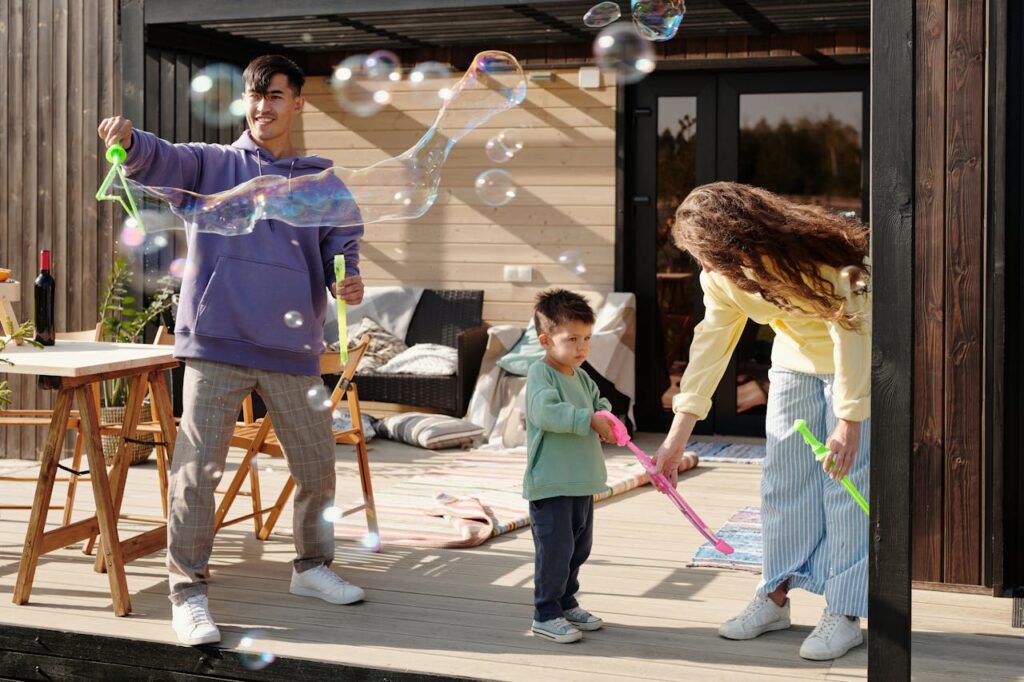
Implementing Effective Lighting
Good lighting can completely change how you use your outdoor space. With the right setup, you can enjoy your yard long after the sun goes down. String lights and lanterns create a warm, inviting feel, while task lighting near cooking or seating areas helps you see clearly and stay safe.
Accent lighting along pathways or around landscaping adds both style and function, making it easier to move around at night. Well-placed lighting can also improve security and help deter unwanted visitors. Solar lights, LED options, and smart lighting systems are great choices if you want to keep energy use and costs low.
Embracing Sustainable Practices
Adding eco-friendly features to your outdoor space helps both your family and the environment. Permeable paving allows rainwater to soak into the ground instead of running off, which helps prevent drainage issues. Rain gardens and similar features can also help manage excess water and keep your yard looking great.
Using drought-tolerant plants, collecting rainwater, and composting yard waste are all simple ways to reduce maintenance while being more environmentally conscious. Choosing recycled decor, solar lighting, and natural lawn care options can also make your backyard more sustainable without adding extra work.
Conclusion
Creating a family-friendly backyard design that grows with your family doesn’t have to be overwhelming. With a little planning, some flexible design choices, and a focus on what really works for your lifestyle, you can build a backyard that adapts as your needs change. By thinking ahead and making smart choices now, your outdoor space can continue to bring comfort, fun, and lasting memories for years to come.