
This post may contain affiliate links. I only recommend products I use and love. Read the full disclosure here
Updated on: July 2, 2026
Originally published on: July 2, 2026
The bathroom is one of the busiest rooms in any home, yet it is often one of the most overlooked when it comes to maintenance. Following a few simple bathroom plumbing tips can help you avoid common problems before they turn into expensive repairs. Most people only think about their plumbing after something goes wrong, whether it’s a slow drain, a leaking toilet, or a faucet that suddenly won’t stop dripping.
The good news is that many plumbing issues don’t appear overnight. They often begin with small habits that seem harmless at first but gradually put extra strain on pipes, drains, fixtures, and seals. By making a few simple changes to your daily routine, you can help your bathroom plumbing stay in better condition and reduce the likelihood of expensive repairs in the future.
Here are some easy bathroom plumbing tips worth adopting.
Don’t Treat the Toilet Like a Trash Can
One of the most common causes of clogged toilets is flushing items that were never designed to travel through a plumbing system.
Even products labelled as “flushable” can create problems because they do not break down as quickly as regular toilet paper. Cotton balls, paper towels, dental floss, wipes, feminine hygiene products, and other personal care items should always go into a waste bin instead.
Keeping only toilet paper and human waste going down the toilet is one of the simplest ways to protect your plumbing.
Pay Attention to Slow Drains
A sink or shower that drains a little slower than usual might not seem like an urgent concern. Many homeowners simply ignore it until the water begins pooling around their feet.
In reality, slow drainage is often an early warning sign that hair, soap residue, or other debris is beginning to build up inside the drain.
Cleaning the drain regularly or removing visible hair before it accumulates can help prevent larger blockages from forming later.
Use Less Product Than You Think
Modern bathrooms are filled with shampoos, conditioners, body washes, lotions, bath oils, and beauty products. While these products make daily routines more enjoyable, they can also contribute to the buildup inside your plumbing.
Soap scum combines with minerals found in water, while oily products cling to pipe walls and trap other debris passing through the drain.
Using products in moderation and occasionally rinsing drains with hot water can help reduce buildup over time.
Fix Small Leaks Early
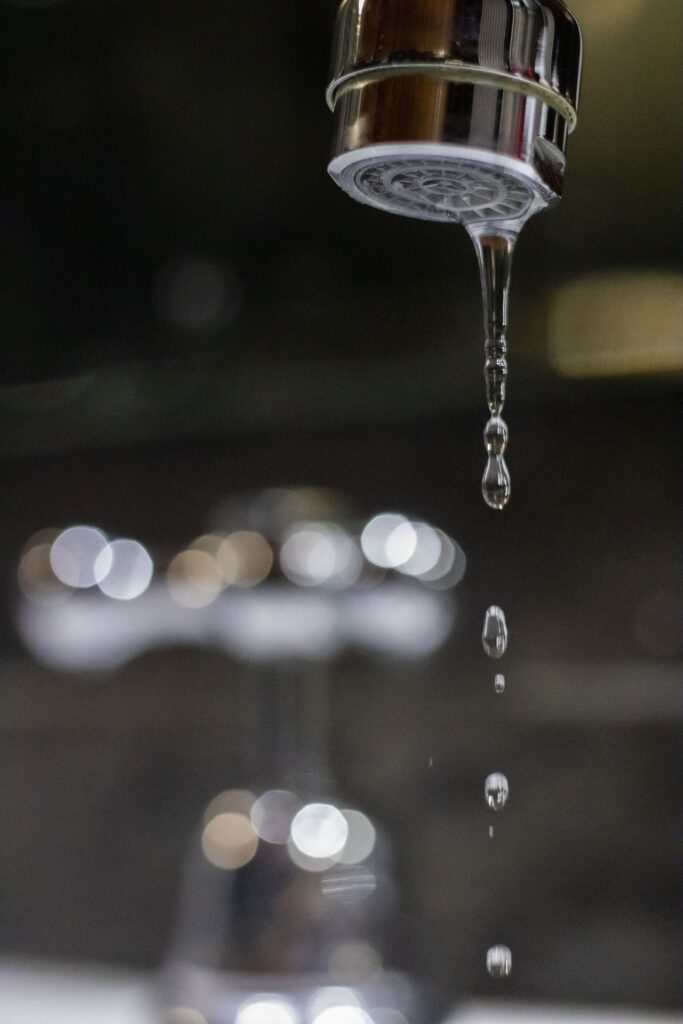
That tiny drip from the faucet or slight leak around the toilet base may not seem worth worrying about today.
However, even small leaks waste water continuously and can slowly damage surrounding flooring, cabinets, drywall, or subfloors if left unnoticed.
Taking care of minor leaks promptly is often far less expensive than repairing the damage they eventually cause.
Keep Hair Out of the Drain
Hair is one of the biggest contributors to clogged shower and bathtub drains.
Instead of waiting until water begins backing up, install an inexpensive drain cover that catches loose hair before it enters the plumbing.
Cleaning the drain cover after each shower takes only a few seconds but can save a great deal of frustration later.
Avoid Overusing Chemical Drain Cleaners
When a drain begins slowing down, many people immediately reach for a bottle of chemical drain cleaner.
While these products can sometimes clear minor clogs, repeated use may expose pipes, seals, and plumbing components to harsh chemicals that are not ideal over the long term.
A drain snake, plunger, or simple mechanical cleaning method is often a gentler first option. If the blockage continues to return, it may be time to seek common plumbing repairs before a minor issue develops into something more complicated.
Check for Moisture Once in a While
Most homeowners clean mirrors, wipe countertops, and scrub showers regularly, but very few spend a few extra seconds looking underneath the sink.
Every now and then, open the cabinet doors and check for dampness, water stains, mould, or unusual odours.
Finding a small leak early can prevent significant water damage and may save both time and money in the future.
Don’t Ignore Unusual Sounds
Bathrooms should generally be quiet after the water stops running.
If you hear constant dripping, gurgling, whistling, or running water long after using the sink or toilet, it’s worth investigating.
Unusual noises can sometimes indicate developing problems that are much easier to solve when caught early rather than after they become emergencies.
Teach Good Bathroom Habits to Everyone
A home’s plumbing system serves everyone who lives there, so good habits should be shared by the entire household.
Children, guests, and even adults may not always realize what should or shouldn’t go down the drain or toilet.
Simple reminders about proper bathroom use can help prevent unnecessary plumbing problems and reduce wear on your home’s plumbing system over time.
Bathroom Plumbing Tips That Make a Big Difference
These bathroom plumbing tips don’t require expensive tools or major renovations. In many cases, they simply involve paying attention to the small things that happen every day.
Keeping drains clear, fixing leaks promptly, watching for early warning signs, and treating your plumbing with care can all contribute to a healthier bathroom and fewer unexpected surprises.
While no plumbing system lasts forever, thoughtful daily habits can go a long way toward extending its lifespan. And when something doesn’t seem quite right, addressing the issue sooner rather than later is often the best way to avoid larger repairs down the road.