
This post may contain affiliate links. I only recommend products I use and love. Read the full disclosure here
Updated on: August 4, 2025
Originally published on: August 4, 2025
When purchasing a vehicle, going used can be a smarter financial move than buying new. You’ll save money upfront and avoid the steep depreciation that hits the moment a new car leaves the lot. With so many options available, asking the right questions to ask before buying a used vehicle can help you avoid regret and find one that truly fits your needs.

Know the Vehicle’s History
Before purchasing a used car, understand its full history first. A comprehensive vehicle history report from trusted providers will give you insight into any past accidents, service records, title status, and ownership changes. These details can alert you to repeated repairs or damage that might affect the car’s performance and value.
Request maintenance documentation from the seller. Regular oil changes and timely servicing are signs of a well-maintained vehicle. And be sure to verify the title status. A vehicle marked as salvage, flood-damaged, or rebuilt may bring future complications and reduce resale value.
Ask specific questions about major repairs, part replacements, and previous owners. Understand the car’s past to inform your purchase decision and give you negotiating leverage. It’s all about increased transparency and minimized risk.
What Are the Advantages of Certified Pre-owned Models?
Certified pre-owned (CPO) vehicles offer higher affordability, a popular choice for used SUV buyers. These vehicles go through a detailed inspection process set by the manufacturer or certified dealership so that they meet specific quality standards. In most cases, CPO models come with extended warranties that cover the powertrain, basic repairs, and sometimes even free maintenance or roadside assistance.
Always ask the dealer for the certification details. Each brand has different standards for age, mileage, and reconditioning requirements. If you are looking for certified pre-owned 3-row SUVs, CPO vehicles present a safer, well-documented, and worry-free alternative. Before making a commitment, verify what’s included and excluded in the warranty.
What Is the Current Condition of the Car?
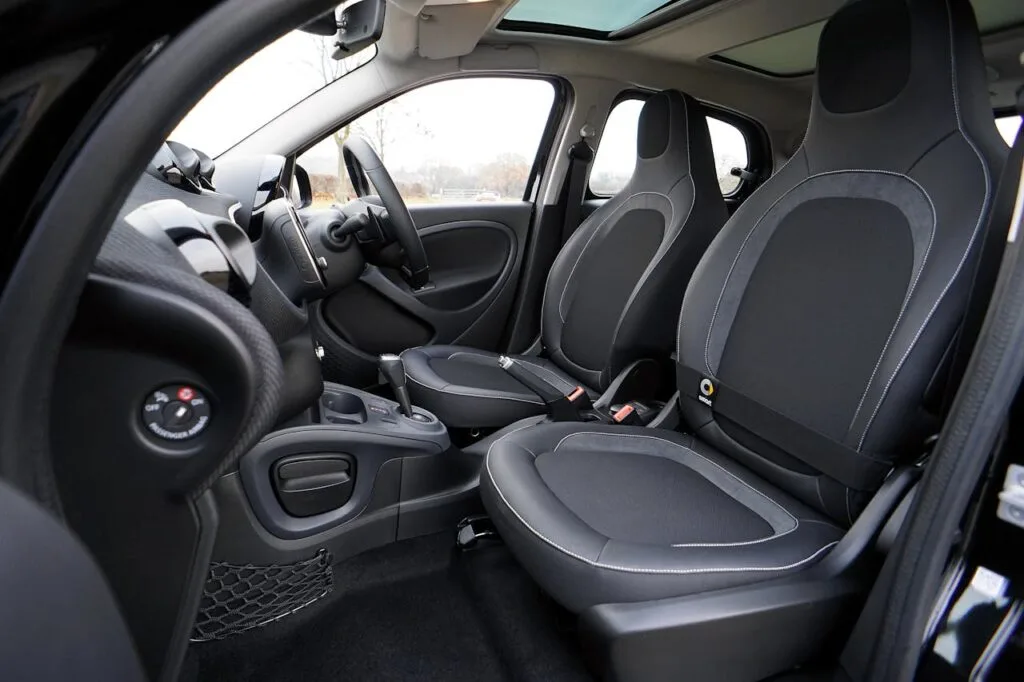
Evaluating a used car’s current condition requires more than just a visual inspection. Start from the exterior: look for dents, scratches, rust, and mismatched paint, all of which could indicate previous accidents or poor upkeep. Check the tires for even tread wear. Uneven patterns could suggest alignment issues or suspension problems. The interior should be in good condition, too. Test the seats, dashboard electronics, power windows, and infotainment system. A fully functional interior speaks to the owner’s care for the vehicle.
Now, it’s time to take it for a test drive. Listen for unusual noises when accelerating or braking, and pay attention to how smoothly it shifts gears. Watch how the car handles turns, braking distances, and how it responds to throttle input. If you’re not confident in assessing these elements yourself, hire a trusted mechanic for a pre-purchase inspection to uncover any issues on the spot.
What Is the Asking Price and How Does It Compare?
Knowing how the asking price compares to market value can make a fair deal. Check pricing guides like Kelley Blue Book (KBB), Edmunds, or NADA, which provide estimated values based on the vehicle’s make, model, year, mileage, condition, and location. Ask the seller how they arrived at their asking price and if there’s any room for negotiation.
Research similar listings in your area to see how the price stacks up against comparable models. If the price seems inflated, bring your data to the table as part of your negotiation strategy. If the price appears unusually low, investigate why: there may be mechanical or title issues involved.
Knowledge is power in these discussions. Being prepared with numbers gives you an advantage and knowing you’re not overpaying. Negotiate confidently, but respectfully, and be ready to walk away if needed.
Are There Any Recalls on This Model?
Manufacturers issue recalls to address defects that could pose serious risks, such as faulty airbags, braking systems, or electrical components. You can check a vehicle’s recall status by entering its Vehicle Identification Number (VIN) on the NHTSA website.
Check with the seller if any recalls were issued and whether the necessary repairs have been completed. Reputable sellers will have documentation to verify that all recall work has been performed. If a recall is still outstanding, clarify whether it will be addressed before the sale or if you’ll be responsible for scheduling the service.
Addressing this early helps you avoid unexpected downtime so that the car is safe to drive. Don’t assume all recalls are minor. The truth is that some of them might be life-threatening. Verifying recall completion shows you’re buying from a responsible party and protecting yourself.
What Are the Vehicle’s Fuel Efficiency and Maintenance Costs?
Fuel efficiency and maintenance costs are a part of your total cost of ownership. Research the vehicle’s miles-per-gallon (MPG) ratings for city and highway driving. High-MPG vehicles are valuable if you have a long daily commute or live in an area with fluctuating gas prices. Inquire about average maintenance expenses for that model. Some vehicles require premium parts or specialized service, which can drive up repair costs.
Look into common issues associated with the make and model you’re considering. Knowing whether it’s prone to certain mechanical failures can help you estimate long-term reliability. Check if any portion of the manufacturer’s warranty is still active, or whether an extended warranty is available. Understanding these aspects will give you a clearer picture of affordability and long-term satisfaction with your purchase.


What Financing Options Are Available?
Any car-buying decision needs financing, and knowing your options upfront can help avoid surprises. Ask the dealer if they offer in-house financing or partner with banks and credit unions. Compare interest rates, loan terms, and down payment requirements from different sources before committing. Pre-approval from your own bank or credit union can give you negotiating power and set a firm budget.
Even a small change in interest rate can add up to thousands of dollars. If you’re trading in a vehicle, inquire how it affects your loan terms and whether it can be applied as a down payment. Some dealerships may offer promotional rates or cash-back incentives for qualified buyers. Take your time to review the terms thoroughly so you can make the most informed decision.
Purchasing a car requires careful consideration and thorough inspection. By knowing the key questions to ask before buying a used vehicle, you can avoid potential pitfalls and find a vehicle that meets your needs. Greater awareness regarding the vehicle’s condition, history, and the market can lead to a more fruitful buying experience.