
This post may contain affiliate links. I only recommend products I use and love. Read the full disclosure here
Updated on: August 4, 2025
Originally published on: August 4, 2025
Healthy teeth and gums are critical to a child’s early development. Understanding how oral health affects child development reveals that it impacts more than just a smile; it influences how kids eat, speak, and feel about themselves. Unfortunately, many parents overlook this aspect until a problem arises. Neglect in early dental care can lead to complications far beyond cavities and gingivitis.


How Dental Health Impacts Daily Function
Cavities, for instance, are the most common chronic disease among children aged six to eleven, according to the CDC. Pain from untreated dental issues can disrupt sleep, limit food intake, and impair concentration in school.
These consequences reveal just how connected oral health is to a child’s total well-being. That connection is key when exploring how oral health affects child development, especially in terms of school performance and physical growth.
Beyond that, toothache can lead to increased irritability and decreased physical activity. Children may avoid playing or socializing when they feel discomfort. Some even experience appetite loss, further reducing essential nutrient intake. When these factors converge, the result can be slower weight gain and delayed physical development.
The Role of Oral Structures in Growth
During early childhood, jaw development plays a vital role in speech, chewing, and even breathing. Poor oral habits, like thumb sucking or prolonged pacifier use, can misalign teeth or narrow the jaw. This, in turn, affects breathing patterns and speech clarity. Malocclusion, or bad bite, can require orthodontic treatment later on.
Early visits to the local dentist help identify and correct these habits. Oakland County residents concerned about their child’s dental development should look for a pediatric dentist in Lake Orion, who can provide evaluations tailored to children’s growth stages. Identifying issues early can minimize the need for major interventions later.
Jaw growth also impacts facial symmetry. When oral health is neglected, uneven development may occur, which can subtly influence facial aesthetics. Speech therapists often collaborate with dentists to manage these issues in young children.
Systemic Effects of Oral Infections
Oral infections, like abscesses, can cause systemic inflammation. When bacteria from untreated gum disease enter the bloodstream, they can trigger immune responses elsewhere in the body. This systemic stress impacts metabolic efficiency and nutrient absorption, both of which are essential for physical growth.
Research has found links between gum disease and insulin resistance in adolescents. Chronic inflammation disrupts hormonal balance, which may interfere with puberty and overall energy levels. It’s another clear example of how oral health affects child development beyond the mouth.
Moreover, infections can weaken the body’s defenses, making children more susceptible to colds, flu, or more severe conditions.
The Underrated Importance of Saliva
Saliva plays an unsung role in children’s health. It helps regulate pH levels in the mouth, supports digestion, and acts as a natural antibacterial agent. Children who suffer from chronic dry mouth may struggle with food breakdown and swallowing, which can affect nutritional uptake and development.
Saliva also strengthens teeth through natural remineralization. Minerals such as calcium and phosphate are delivered to the enamel via saliva. Without this function, enamel erodes more quickly, exposing children to faster cavity formation. Additionally, a lack of saliva can affect taste perception, which may reduce appetite or cause picky eating habits.
Confidence and Social Growth
Dental health influences social confidence, too. A child with visibly decayed or misaligned teeth may experience bullying or withdraw socially. Psychological effects like low self-esteem and anxiety can emerge, which often lead to behavioral problems or academic decline.
Children often become self-conscious as early as age five. When their peers tease them for bad breath or missing teeth, they may become reluctant to participate in class or group play. These early setbacks can influence how children view themselves well into adolescence.
Building self-esteem starts with feeling physically well. Addressing dental concerns not only improves appearance but also empowers children to speak, smile, and express themselves without fear.
Sleep and Cognitive Development
Sleep-disordered breathing, such as sleep apnea in children, is often linked to enlarged tonsils or oral structure issues. These can be traced back to dental development problems. Poor sleep quality from these disorders has been associated with behavioral challenges and attention deficits.
Children who snore or breathe through their mouths at night may not reach deep sleep stages, essential for memory and learning. Studies show that sleep apnea can mimic symptoms of ADHD. By correcting oral structural issues, many children experience both better sleep and improved behavior.
Orthodontic appliances or dental surgery sometimes help realign the airway. Dentists trained in pediatric sleep assessment play a key role in early diagnosis and management.
Family Routines and Lifelong Habits
Good oral hygiene routines start at home. When families make brushing and flossing a shared daily activity, children are more likely to maintain these habits into adolescence. Modeling positive behavior and explaining its importance lays a strong foundation for lifelong health.
Children who grow up in households where dental visits are normalized tend to view dental care as part of their general well-being. On the other hand, if parents show fear or neglect of dental health, children absorb the same attitudes. Making brushing fun—through music, games, or special toothbrushes—helps reinforce the habit.
Consistency is key. Even busy mornings should include oral care, as skipping days reduces the long-term benefits of building strong routines.
Nutrition’s Role in Dental and Physical Health
Access to fluoridated water and healthy nutrition supports enamel development. Parents should limit sugary snacks and encourage consumption of vegetables and dairy. Vitamin D and calcium are critical in tooth mineralization, which strengthens resistance to decay.
The American Academy of Pediatrics recommends limiting juice intake and choosing whole fruits instead. Crunchy fruits and vegetables like apples and carrots help clean teeth naturally. Cheese and yogurt provide calcium and promote saliva flow, offering dual benefits for dental and digestive health.
Poor dietary choices not only cause cavities but can reduce energy, immune strength, and attention span in children. Nutrition truly ties oral and overall development together.
Preventive Care and Growth Monitoring
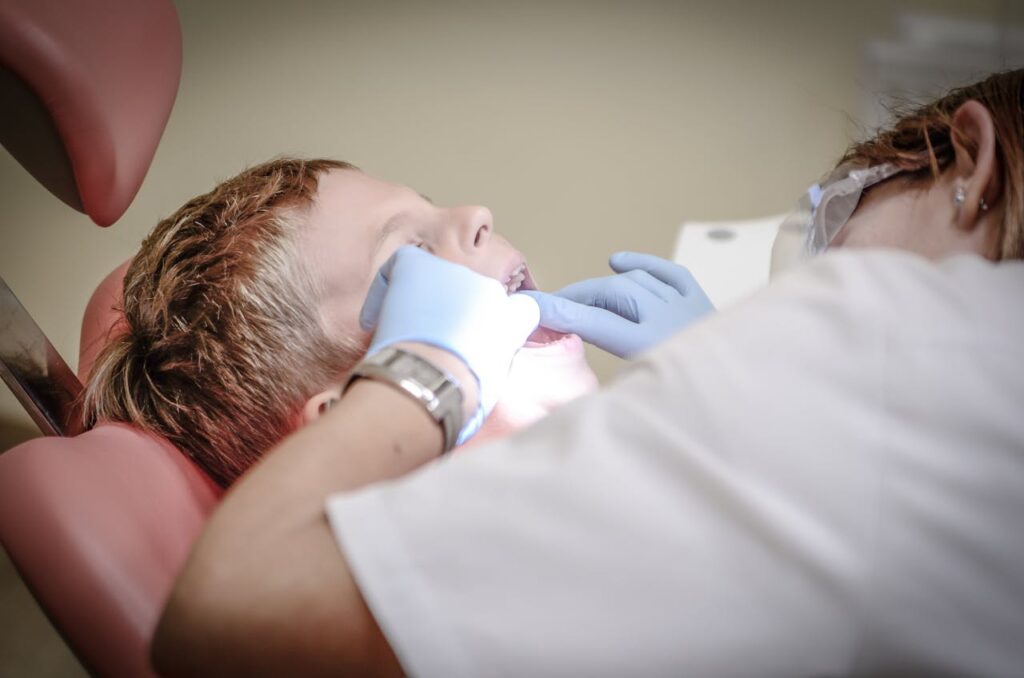
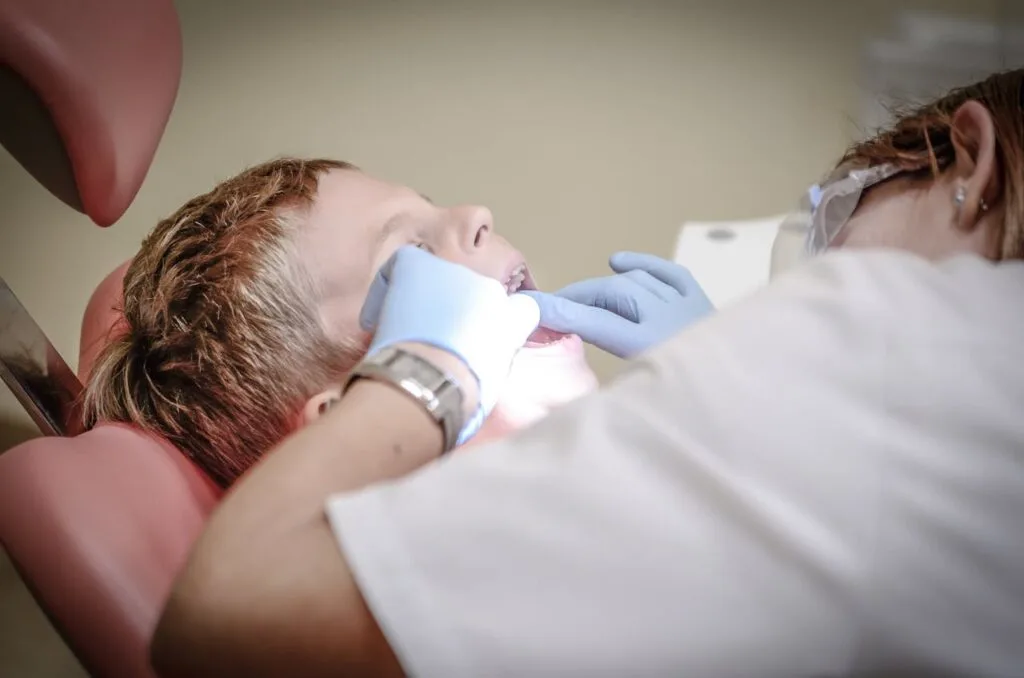
Regular dental check-ups every six months help maintain health and track growth patterns. These visits aren’t just for cleaning, they’re educational. Dentists teach children the value of caring for their teeth, which translates to improved habits over time.
Dentists also monitor how baby teeth are replaced by adult teeth, tracking for crowding or delays. Early detection of enamel hypoplasia or unusual growth patterns allows for timely interventions. Some conditions, like early childhood caries, can indicate nutritional deficiencies or developmental disorders.
Parents should treat dental appointments as they would pediatric checkups – essential, not optional.
By recognizing how oral health affects child development, families can make more informed choices that support lifelong wellness.
Investing in early dental care promotes more than oral hygiene, it safeguards a child’s emotional, physical, and cognitive development. When oral health is prioritized from the start, children grow up with better tools for success, both inside and outside the classroom.