
This post may contain affiliate links. I only recommend products I use and love. Read the full disclosure here
Updated on: July 15, 2026
Originally published on: July 15, 2026
Growing food at home is a rewarding way to learn how to start a family vegetable garden while bringing everyone closer to their meals and each other. Gathering in the backyard to plant seeds offers a refreshing break from daily screen time and teaches valuable lessons. This shared journey from soil to dinner plate transforms how children view fresh ingredients and builds a lasting appreciation for nature.
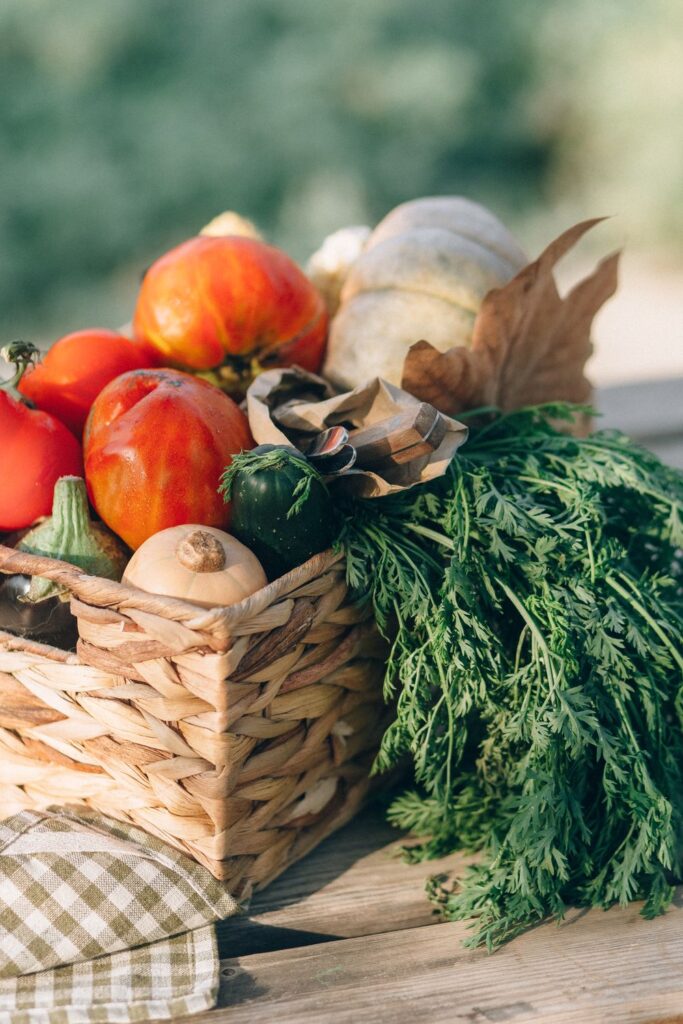
Working together in the dirt builds teamwork and communication skills across different generations. Little kids learn about biology by watching tiny sprouts push through the dark earth. Parents get a chance to slow down and enjoy quiet moments with their children outside.
Mapping Out Your Family Garden Plot
Deciding where to build your beds is the first step toward a successful growing season. Many families find that utilizing structures from https://rimol.com helps protect young shoots from unpredictable spring weather. Placing your beds in a sunny spot guarantees your plants get the light they need.
Draw a simple map of your yard to track sun patterns throughout the day. Leafy greens prefer partial shade, whereas tomatoes demand full sunlight. Involving kids in this planning stage teaches them about natural light cycles.
Choosing Between Containers and Raised Beds
Raised beds provide excellent drainage and make it easier to control soil quality. Container gardening is another wonderful option if you have limited backyard space. This setup makes watering and weeding a simple part of the daily family routine.
Soil Health and Preparation
Healthy dirt is the start of a thriving garden plot. A homestead blog explains that living soil serves as the true foundation for any productive growing space. Feeding your ground with compost gives young roots the nutrients they crave.
Preparing the ground requires some patience and teamwork. Educational workshops on permaculture teach families how to build up and nourish the ground so cool season crops can truly thrive. Working organic matter into the beds creates a loose texture that lets roots expand easily.
Selecting Your Crops
Picking what to grow is the most exciting part for kids. A Clemson University extension guide suggests writing down your family’s favorite vegetables and ranking them by preference. This strategy guarantees you spend time growing foods everyone actually wants to eat.
Next, think about how much effort each plant requires. A family healing organization recommends starting with simple crops that match your local climate and soil conditions. Selecting hardy varieties helps build confidence for first-time gardeners.
Mixing annuals with crops that return year after year saves time. A popular garden site lists 38 perennial plants that return every season with minimal effort. Here are some great low-maintenance choices for your backyard:
- Asparagus shoots that emerge early every spring
- Sunchokes, which produce edible tubers underground
- Artichokes that add unique shapes to your beds
Fast-growing crops like radishes and spinach provide quick rewards for impatient young minds. Spending just $10 on seeds can yield fresh salads for weeks. Balancing these quick wins with slow-growing crops teaches the value of long-term patience.
Establishing a Watering Routine
Water is key to keeping your plants green and productive. An agricultural guide from North Carolina State University notes that vegetables need about 1 inch of water weekly, counting rainfall. Keeping track of local rain levels helps you avoid overwatering.
Deep watering encourages roots to grow deep into the soil. Shallow sprinkling only wets the top layer, which dries out quickly in the sun. Teaching children to water the soil instead of the leaves keeps fungal diseases away.
Simple Tools for Small Hands
Using child-sized watering cans makes garden chores feel like playtime. Setting a specific time each day for watering creates a reliable routine. Early morning is the best time since the air is cool and evaporation is low.
Natural Plant Protection
Protecting your hard work from pests and heat does not require harsh chemicals. A Texas master gardener guide advises keeping a thick layer of mulch around your plants to shield them from high temperatures. Mulching offers several benefits for your growing beds:
- Conserves moisture in the soil by slowing down evaporation
- Suppresses weeds from growing and stealing nutrients
- Keeps plant roots cooler during hot summer days
Kids can help hand-pick larger bugs off leaves as a fun outdoor game. Placing physical barriers like row covers can defend young greens from hungry insects. Working with nature instead of fighting it makes the garden a safe playground.
Friendly Garden Helpers
Attracting beneficial insects like ladybugs helps control harmful pest populations naturally. Planting colorful flowers alongside your vegetables draws these helpful helpers into your yard. This companion planting technique reduces the need for any chemical interventions.
Harvesting at the Perfect Moment
Knowing when to pick your produce determines the flavor of your meals. A West Virginia University extension resource states that summer squash and zucchini taste best when they reach 6 to 8 inches in length. Picking them before they get too large prevents them from becoming woody.
Daily checks on the garden turn into a fun morning ritual for the family. Tomatoes should feel slightly soft when gently squeezed, and herbs are ready as soon as they have plenty of leaves. Regular harvesting encourages the plants to keep producing more food.
Teaching Kids How to Harvest Safely
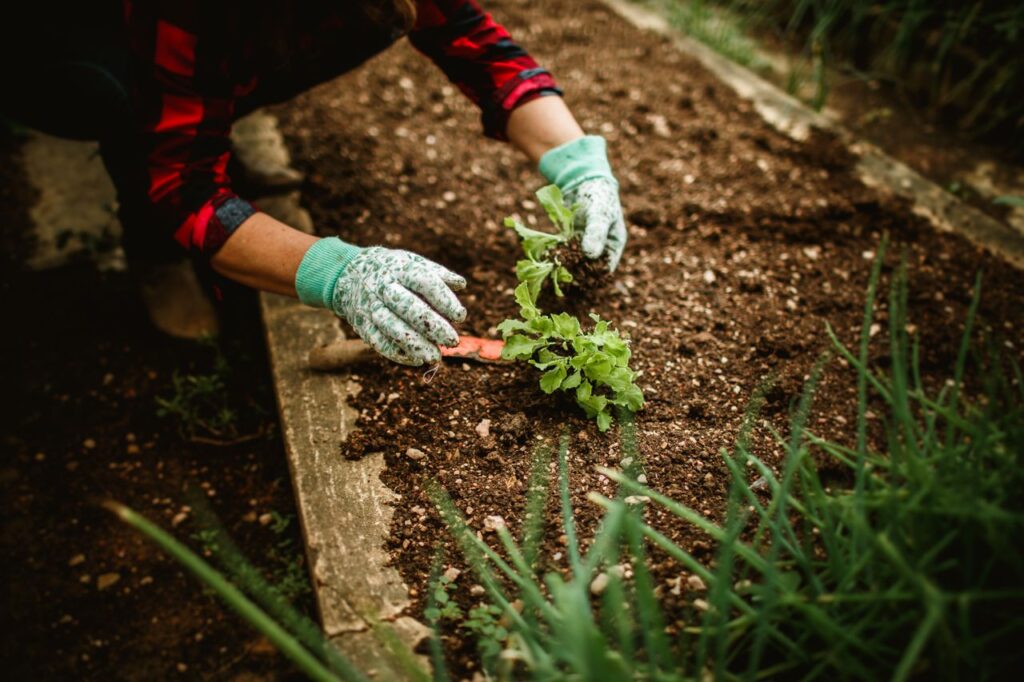
Showing children how to gently twist or snip vegetables prevents damage to the main plant. Gathering the harvest in small wicker baskets adds a sense of ceremony to the chore. Kids love showing off the colorful bounty they gathered with their own hands.
Reaping Health Benefits Together
Eating fresh food right from the vine has massive benefits for the body. An article by the University of California suggests prioritizing family wellness by reviving traditions of scratch cooking and unhurried shared meals. Connecting kids with the growing process makes them excited to eat greens.
Stepping away from packaged snacks in favor of fresh garden snacks changes eating habits. Children love eating sweet cherry tomatoes they picked themselves. These simple habits build a foundation for lifelong wellness.
Cooking the harvested food together completes the garden-to-table cycle. Simple recipes like homemade salsa or fresh pesto allow even the youngest kids to participate safely. These moments in the kitchen solidify the connection between hard work and delicious rewards.
Growing your own food is a journey filled with learning, patience, and tasty rewards. Spending time together in the dirt strengthens family bonds and makes beautiful memories. As your plants grow, your shared appreciation for fresh meals will grow along with them.