
This post may contain affiliate links. I only recommend products I use and love. Read the full disclosure here
Updated on: January 6, 2026
Originally published on: January 6, 2026
Academic confidence plays a powerful role in how children experience school, learning, and even themselves. When kids feel capable and supported, they’re far more likely to raise their hand, try something new, and keep going when things get tricky.

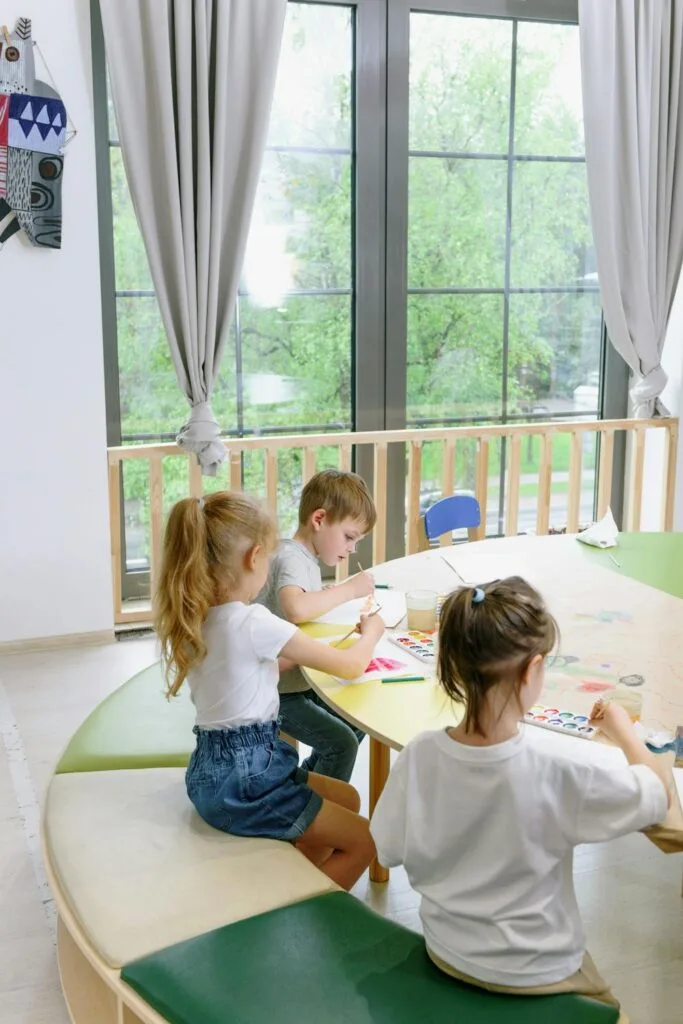
Academic confidence in children doesn’t come from being perfect. It grows through encouragement, patience, and environments that make learning feel safe and achievable.
For many families, choosing to enroll in Manchester daycare provides an early environment where children are encouraged to explore, ask questions, and develop positive learning habits that support this confidence from a young age.
A confident learner approaches school with curiosity instead of fear. They’re more willing to participate, ask questions, and take responsibility for their work. Over time, this confidence shapes not only academic success but also emotional resilience, problem-solving skills, and a healthy attitude toward challenges that extends well beyond the classroom.
Identifying Barriers to Academic Confidence
Despite its importance, academic confidence can be fragile. Negative feedback, even when unintentional, can linger longer than praise. Constant comparison to peers, pressure to perform flawlessly, or unrealistic expectations can quietly chip away at a child’s self-belief. When children feel they’re always falling short, learning can begin to feel stressful rather than exciting.
Lack of consistent emotional or academic support can also be a major obstacle. Children who don’t feel understood or encouraged may internalize setbacks as personal failures. Identifying these barriers early gives parents and educators the opportunity to step in with reassurance, structure, and positive reinforcement before discouragement takes root.
Strategies for Parents to Boost Academic Confidence
Parents play a huge role in shaping how children view learning. One of the most effective approaches is offering feedback that focuses on effort, growth, and improvement instead of just results. When kids hear that persistence matters, they learn to value progress rather than perfection.
Setting realistic, achievable goals together also makes a difference. Small wins help children feel capable and motivated, reinforcing the idea that learning happens step by step. Encouraging a growth mindset is key here.
Remind children that skills develop over time and that mistakes are part of learning, not something to be embarrassed by. Modeling positive self-talk at home helps reinforce this message in everyday moments.
The Role of Educators in Building Confidence
Teachers are uniquely positioned to nurture academic confidence. By creating classrooms where effort is acknowledged and individuality is respected, educators help students feel seen and supported. Personalized guidance allows teachers to address learning challenges without discouragement, helping students navigate obstacles with confidence.
Effective strategies include offering differentiated instruction that plays to individual strengths, encouraging collaboration to build peer support, and recognizing progress privately rather than relying on public comparisons.
A safe and inclusive classroom environment empowers children to take academic risks without fear. Research highlighted by Psychology Today supports the idea that positive reinforcement and celebrating perseverance are essential to developing confident learners.
Peer Influence on Academic Self-Esteem
As children grow, peers become increasingly influential. Positive peer relationships can significantly boost academic self-esteem, especially in settings that promote teamwork and shared success. Group projects and peer mentoring programs create spaces where children feel comfortable exchanging ideas, asking questions, and learning together.
When children feel accepted and valued by their peers, their sense of belonging strengthens. That social support acts as a cushion during academic setbacks, helping children bounce back more easily and maintain confidence even when learning feels challenging.
Incorporating Extracurricular Activities
Confidence doesn’t develop in the classroom alone. Extracurricular activities give children opportunities to shine in different ways, whether through sports, music, art, or community involvement. These experiences help children discover talents, build discipline, and develop perseverance.
Success outside academics often carries over into schoolwork. Skills like teamwork, goal-setting, and resilience translate naturally into academic settings.

Monitoring Progress and Adjusting Strategies
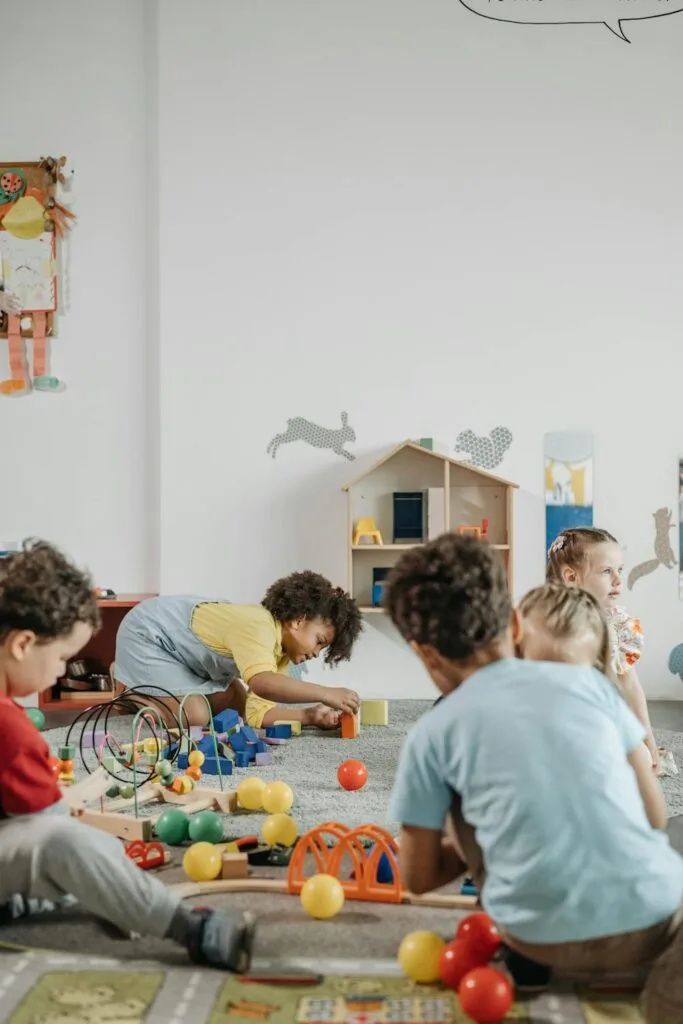
Supporting academic confidence isn’t a one-and-done effort. Regularly checking in on a child’s progress helps identify what’s working and where adjustments are needed. This process works best when parents and educators collaborate openly and remain flexible as children grow and face new challenges.
Celebrating improvement, even in small doses, reinforces motivation and self-belief. Redefining success as personal growth rather than comparison keeps children focused on their own journey. Consistent encouragement and communication ensure children feel supported every step of the way.
Helping Kids Grow Into Confident Learners
Building academic confidence is a shared effort between parents, educators, and peers. When children are surrounded by encouragement, understanding, and realistic expectations, they learn to trust themselves and approach learning with confidence. Through supportive environments at home and school, children can develop the resilience and self-belief they need to embrace challenges and reach their full potential.