
This post may contain affiliate links. I only recommend products I use and love. Read the full disclosure here
Updated on: March 26, 2026
Originally published on: January 5, 2026
Nobody plans on being involved in a crash, but you can plan your response. Knowing what to do after a car accident helps you stay focused during a stressful moment and protects both your health and your legal interests. The first few hours are crucial for your body and how your case is documented.
Quick choices at the scene can shape what doctors find, what insurers accept, and what the official report shows. Focus on safety first, then document what happened in a way that stays accurate and easy to share later. Staying calm, informed, and organized from the outset can make a lasting difference later.


Secure The Scene And Check For Injuries
Safety comes first. Move to a safe spot if vehicles can roll or catch fire. Turn on hazards and set out triangles if you have them.
Look for pain, dizziness, or confusion. These are common after a jolt and may hide bigger issues. If someone looks dazed, do not move them unless you must for safety.
Scan for leaking fluids or broken glass. Photograph skid marks and road hazards before they change. If traffic is heavy, take quick wide shots and zoomed details.
Call 911 And Create A Clean Record
Call for police and medical help even if injuries seem minor. A formal incident number anchors your timeline and supports later reports. When officers arrive, stick to facts and avoid guesses.
You can ask questions on next steps. A trusted legal team like Malloy Law Offices, LLC can explain how reports and medical notes work together. Do not apologize or accept blame mid-scene, because your view may be incomplete. Let professionals document the scene while you focus on care.
Keep your statements short. Provide licenses, registration, and insurance. Save the officer’s name, badge number, and report number for your files.
Swap Information The Right Way
Exchange full names, phone numbers, license plate numbers, and insurance details with the other driver. With consent, take clear photos of driver’s licenses and insurance cards. If the other driver refuses, write down what you can and tell the responding officer.
Collect witness names and phone numbers before anyone leaves. Ask witnesses to send a quick text describing what they saw. A time-stamped message can help support the timeline later.
Keep the conversation calm and factual. Skip arguments about blame and avoid talking about speed, distraction, or medical conditions. Save those points for the police report and for your insurer when you give your statement.
Document Everything That Matters
Your memory will fade. Your photos and notes will not. Capture the whole scene from multiple angles, then take close-ups of damage and injuries.
Photos And Notes
Add context to each image. Note the time, weather, and lane positions. Mark locations for debris, stop signs, or broken signals.
Use a single folder for the crash. Label files by date and subject. This makes it easy to share with adjusters or doctors later.
- Wide shots of cars and the roadway.
- Close-ups of damage, plates, VIN, and interior airbags.
- Injuries, bruising, and medical devices like splints.
- Traffic controls, skid marks, and any road hazards.
Report The Crash Properly
Rules vary by state, but thresholds matter. Many places require a police report for injury crashes or property damage over a set amount, often $500 to $1,000. A consumer guide noted these reporting triggers and reminded drivers to check local law.
Ask the officer how and when the report will be available. Some departments upload within days, while others mail copies. Keep the incident number handy for follow-up.
If your state requires a DMV or online report, file it on time. Late filings can create gaps that insurers may question later.
Get Evaluated For Hidden Injuries
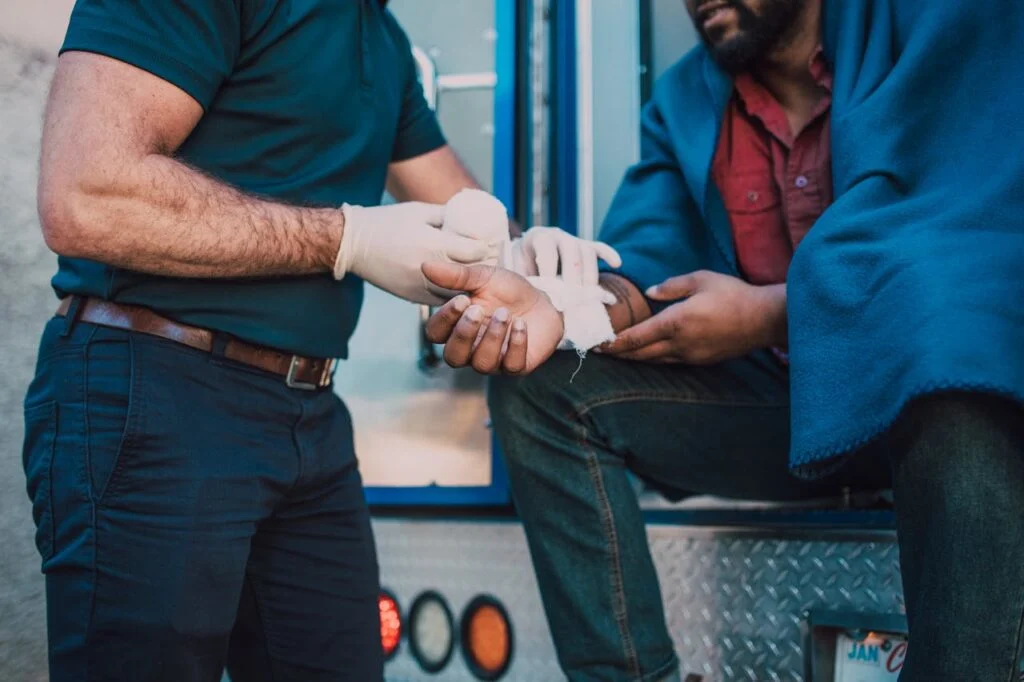
Adrenaline masks symptoms. Mild headaches, fogginess, or neck pain can signal a brain or spine issue. Go to urgent care or the ER if you notice changes in balance, vision, or speech.
Public health guidance explains that many people recover from mild traumatic brain injury with proper care, often returning to school or work within days or weeks. Early evaluation guides rest, a gradual return to activity, and monitoring.
Share crash details with the clinician. Describe the impact, head position, and any loss of consciousness. Ask for a written plan and follow-up dates.
Follow Doctors’ Orders And Track Symptoms
Healing takes structure. A clinical checklist stresses strict follow-through with treatment, medications, and documentation as a key part of a strong claim. Keep every instruction sheet and discharge summary.
Start a pain and function journal. Note sleep quality, missed work, and what tasks now hurt. Consistent entries show how the injury changes daily life.
Collect bills, receipts, and mileage to appointments. Save over-the-counter costs, copays, braces, and home aids. Small expenses add up and can be part ofthe damages.

Protect Your Claim With Smart Communication
What you say can echo. Keep messages short, factual, and polite. Assume every text or email can be read later.
Do not post about the crash on social media. Photos of workouts or trips can be misread. If you must update friends, keep it simple and avoid details.
Use one channel for each contact. Store adjuster voicemails and emails in your crash folder. A clean trail reduces confusion.
- One notebook or notes app for all call logs.
- Separate subfolders for medical, vehicle, and work documents.
- A running list of questions for your next clinic visit.
Know The First Moves With Insurance
Call your insurer to open a claim. Provide the basics and your report number. If the other driver’s carrier calls, confirm identities and claim numbers before talking.
Avoid recorded statements until you feel ready. Ask for questions in writing. You can pause a call to check your notes, then respond.
Do not accept early offers before you understand injuries and car damage. Many costs surface later, from imaging to rental extensions. Take time to see the full picture.
No matter how careful you are, crashes bring stress. A steady checklist keeps you focused on safety, documentation, and follow-through. These habits support recovery and a clean paper trail.
Protect your body like you protect your rights. Get care fast, write everything down, and keep your records tight. Step by step, you can move from chaos to control.