
This post may contain affiliate links. I only recommend products I use and love. Read the full disclosure here
Updated on: March 24, 2026
Originally published on: March 24, 2026
Luxury fashion has long held a special place in culture. From red carpet gowns to museum exhibitions, couture pieces represent more than clothing; they reflect craftsmanship, artistry, and identity. Looking at branding lessons from luxury brands reveals that these same principles can apply far beyond high-end ateliers.
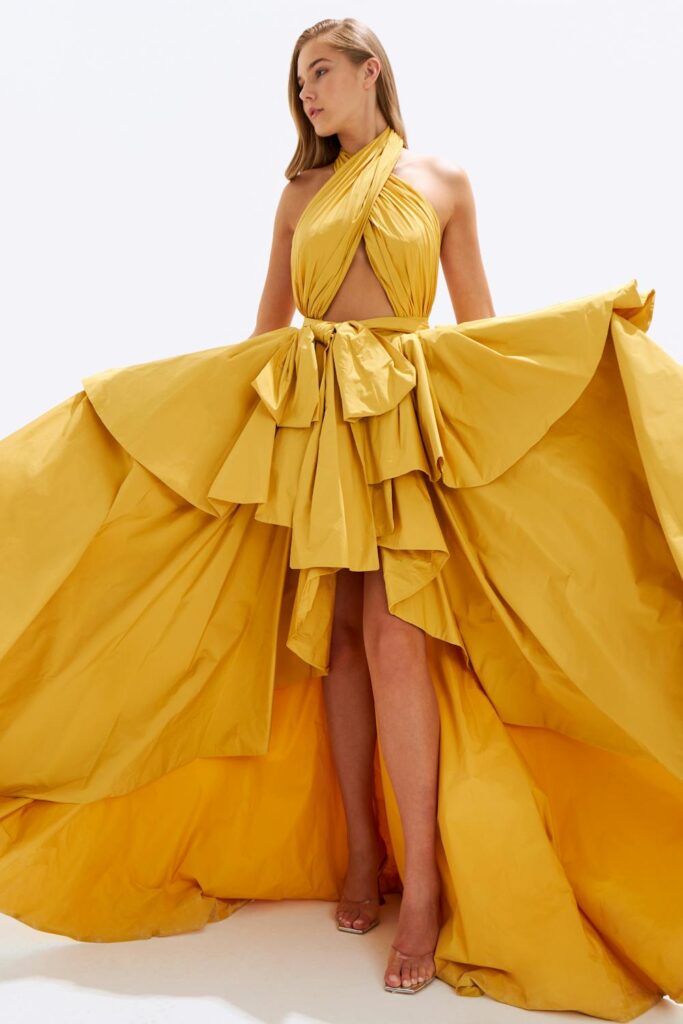
Small fashion labels often assume luxury houses operate in a completely different space. In truth, many of the principles behind couture can guide brands at any level. Strong storytelling, commitment to quality, and thoughtful customer experiences shape successful companies of every size.
Below are several lessons smaller brands can borrow from couture fashion houses.
What Couture Really Means
Before looking at the lessons, it helps to understand what couture actually is. The term “haute couture” comes from French and means “high dressmaking.” It refers to exclusive garments made to order for individual clients, often crafted by hand using high-quality fabrics.
The designation is strictly regulated in France. Fashion houses must comply with the rules set by the Fédération de la Haute Couture et de la Mode. These include creating made-to-measure pieces for private clients, employing skilled artisans in Paris ateliers, and presenting seasonal collections with dozens of original designs.
This level of craftsmanship and exclusivity places couture at the peak of the fashion industry. A single garment can take hundreds of hours of work and cost tens of thousands of dollars. For small brands, this may seem far out of reach. Yet many of the ideas behind couture can apply to companies at any scale.
Craftsmanship Still Matters
One of the strongest lessons from couture is the value of craftsmanship. Luxury houses rely on skilled artisans who spend years perfecting techniques such as embroidery, tailoring, and fabric manipulation.
Couture garments are often sewn largely by hand. Designers choose fabrics with care and focus on details that most people may never notice. The result is clothing that feels special, personal, and enduring.
Small brands can apply this principle by prioritizing quality over volume. That might mean fewer collections each year or smaller production runs. Customers often notice thoughtful stitching, better fabrics, and stronger construction.
A Real Example of Accessible Luxury
Some contemporary labels show how smaller companies can blend high-end style with a more accessible approach. One example is Ellaé Lisqué, known for elegant women’s suits, eveningwear, and talk-of-the-town gowns designed with a modern edge.
Their pieces often focus on flattering silhouettes and statement details that echo couture influences without the extreme price tags associated with Paris ateliers. Brands like this demonstrate that luxury inspiration does not require a couture-level budget. What matters most is a clear design vision and attention to detail.
Tell a Story With Every Collection
Couture houses rarely release clothing without a narrative behind it. Designers often build collections around themes, emotions, or cultural references. Fashion shows then present those ideas through styling, music, and set design. That storytelling helps audiences remember the brand.
For example, couture collections often draw inspiration from art, architecture, or history. Designers transform those influences into shapes, textures, and colors that carry meaning beyond simple clothing.
Small brands can adopt the same approach. Instead of launching products without context, they can build a story around each release. A collection might reflect travel experiences, local culture, or seasonal moods. This gives customers something to connect with emotionally.
Focus on Identity
Luxury fashion houses rarely chase every passing trend. Instead, they develop a recognizable identity that stays consistent across decades. Think about iconic designers. Their pieces often carry distinct silhouettes, color palettes, or design signatures. Customers recognize them instantly.
This consistency helps luxury brands build trust. Buyers know what to expect from the label. Smaller brands sometimes struggle with this because they try to follow many trends at once. That approach can dilute identity.
A clearer path is to define a brand aesthetic and refine it over time. This might involve certain fabrics, shapes, or design themes that appear in every collection. Consistency builds recognition.
Create Both a Product and an Experience
Luxury houses understand that buying clothing is often about the experience. Couture clients usually receive personal fittings and consultations. The process can take several visits and detailed adjustments before a garment is complete. That attention makes the customer feel valued.
Small brands may not offer custom fittings for every piece. Still, they can create memorable experiences through packaging, customer service, and communication. Simple steps like handwritten notes, thoughtful packaging, or personalized emails can leave lasting impressions. Many shoppers remember how a brand made them feel more than the product itself.
Exclusivity Can Be Powerful
Couture thrives on exclusivity. Pieces are created for specific clients and rarely duplicated. This makes them rare and highly desirable. Small brands can adapt this idea through limited releases. Short production runs can create excitement around new launches.
Limited availability also encourages customers to act quickly. They know the item may not return once it sells out. That strategy works especially well for online brands where demand can build quickly through social media.
Invest in Presentation
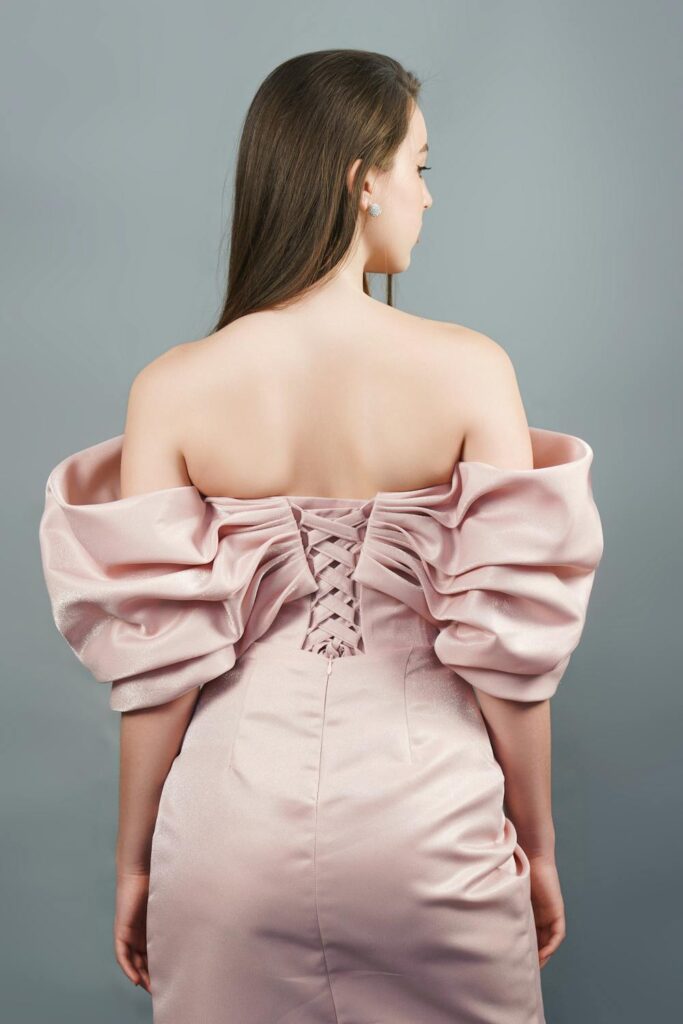
Luxury fashion houses treat presentation as seriously as design. Runway shows, lookbooks, and editorial photography all help communicate the vision behind a collection. Visual storytelling plays a huge role in fashion.
Small brands can benefit from strong visuals too. High-quality photos, cohesive branding, and thoughtful styling make products look more compelling. Even on a smaller budget, good lighting, clear composition, and consistent aesthetics can improve how customers perceive the brand.
Build Long-Term Relationships With Customers
Couture designers often work with clients for years. Some customers return season after season for custom pieces. Over time, designers learn their preferences, body shapes, and style personalities. This relationship becomes part of the brand experience.
Smaller labels can build similar loyalty through strong communication. Responding to customer questions, sharing behind-the-scenes content, and asking for feedback helps strengthen those connections. When customers feel connected to a brand, they often become repeat buyers and advocates.
Conclusion
Couture represents the highest tier of fashion craftsmanship. Yet the biggest takeaway for small brands is not price or exclusivity. The real lesson lies in mindset. Luxury houses focus on quality, storytelling, identity, and experience. Those values create brands that feel meaningful rather than disposable.
Small fashion companies that adopt these ideas often stand out in crowded markets. They build trust, attract loyal customers, and develop lasting identities. Couture may exist at the peak of fashion, but its principles can inspire brands at every