
This post may contain affiliate links. I only recommend products I use and love. Read the full disclosure here
Updated on: January 12, 2026
Originally published on: July 7, 2025
Living in a small space doesn’t mean you have to settle for clutter or compromise your style. With a little creativity and intention, it’s totally possible to create a home that’s beautiful, livable, and makes everyday life easier. If you’ve been wondering how to make a small home more functional, it starts with the right mix of layout, furniture, and a few clever design tricks.

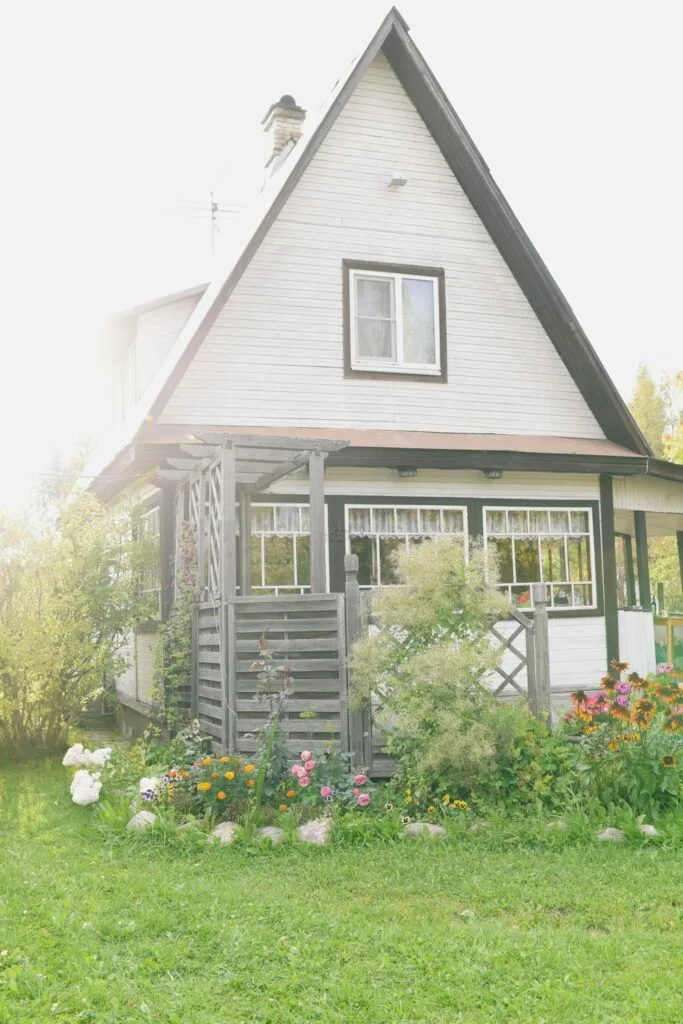
Small homes don’t have to feel cramped or chaotic. When every piece serves a purpose, and does it with style, you’re left with a space that feels open, warm, and truly yours. It’s all about letting form and function work together.
Thoughtful design choices like Los Angeles Murphy beds offer a comfy place to sleep at night and fold out of the way during the day, making room for everything else life throws your way. Add in smart storage, simple color palettes, and flexible furniture, and you’ve got a setup that works hard without feeling overstuffed.
Multipurpose Furniture That Does More Than Just Sit There
When space is tight, furniture that pulls double (or even triple) duty becomes a must-have. Pull-out beds, storage ottomans, extendable dining tables, and fold-away desks are total lifesavers in smaller homes. These pieces make it easy to turn one room into several without constantly rearranging your life.
A guest room can be your home office during the day and a cozy sleep space at night. A living room can be a movie zone, homework station, or workout area, just by swapping out a few clever pieces. The trick is to look for furniture that adapts to your lifestyle instead of forcing you to adapt to the furniture.
Practical Space Planning Tips That Actually Work
Before you buy a single thing, start by measuring everything. Use an app or even a pencil and paper to sketch your space and plan around the dimensions. It’s way easier to get things right before the heavy lifting starts.
Choose furniture with visible legs rather than pieces that sit flat on the floor. That little bit of space underneath helps light pass through and creates the illusion of more room. And don’t forget about hidden storage such as benches, beds with drawers, and even lift-top coffee tables can hide clutter without sacrificing style.
Also, try planning around natural walkways and creating zones for work, play, and relaxing. Leaving a few clear spots, like an open corner or an empty space beside a window, gives your eyes and brain a breather, and helps the whole place feel less chaotic.
Don’t Forget to Look Up!
One of the most overlooked areas in any home? The walls! Vertical space is your best friend when floor space is tight. Mount shelves above doorways, hang baskets or pegboards in your kitchen, and add tall bookcases to draw the eye up. Scandinavian-style homes are known for using innovative vertical storage solutions to open up small spaces, and there’s a reason that trend keeps going strong.
Even hanging art or mirrors higher on the wall can make ceilings feel taller. And don’t be afraid to get a little bold with your vertical storage, racks that go up to the ceiling or baskets that hang from the ceiling beams can give you so much more breathing room.
Storage That Blends Right In
Storage doesn’t have to be ugly or hidden away. You can absolutely stay organized while still keeping your style intact. Woven baskets, fabric bins, and sleek leather boxes are perfect for tucking away everyday items like blankets, mail, or craft supplies while still looking like part of your decor.
Think outside the box with your furniture, too. For example, Toulouse bookcases can store all your regular reading books, along with recipe books, plants, and trinkets that deserve to be displayed. A storage bench by the entryway can hold shoes and double as seating.

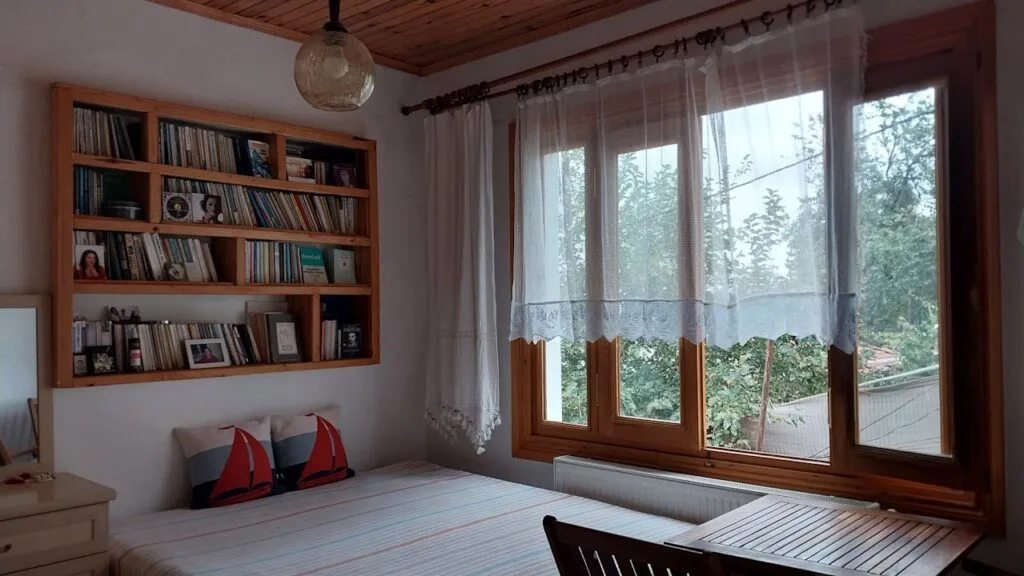
Under-bed drawers are perfect for extra linens. Floating shelves above a desk or dresser can hold candles, decor, and even lighting. I love mixing pretty and practical so it doesn’t look like you’re storing stuff, but you really are.
Rooms That Work Overtime
Small homes work best when they’re flexible. One room might need to pull double (or triple) duty depending on the time of day. In the morning it’s your workspace, by night it’s the family movie zone, and on the weekend it’s your guest bedroom. The key to pulling that off? Furniture and layout choices that are easy to adapt.
That could be a Murphy bed that folds into the wall, a rolling desk you can tuck away, or even a bookcase that doubles as a room divider. The idea is to create zones that shift as your day does—without a ton of effort or bulky furniture moving marathons.
Smart Organizing (That Actually Lasts)
Organization isn’t a one-and-done job, it’s about building habits that stick. And the more you keep it simple, the more likely you are to keep it going. Start by editing what you own. If something doesn’t serve a purpose or bring you joy, pass it on.
Group similar items together, use clear bins or labeled containers, and keep everyday essentials within easy reach. Open shelving is great for seeing what you have, and it also keeps things from getting buried behind cabinet doors.
Get the whole family or household involved. When everyone knows where things go, it’s easier to stay on top of messes without constant reminders. Little routines like this can turn organizing from a weekend project into something that just naturally happens every day.
At the end of the day, creating a functional and stylish home isn’t about how much space you have, it’s about how you use it. With thoughtful planning, multi-use furniture, and a few smart design tricks, you can turn even the smallest space into one that feels spacious, inviting, and totally you.