
This post may contain affiliate links. I only recommend products I use and love. Read the full disclosure here
Updated on: November 13, 2025
Originally published on: November 13, 2025
While it can be upsetting, postpartum hair loss is a completely normal result of hormonal shifts after childbirth. Many new moms notice more hair shedding a few months after delivery, which can be alarming at first, but it’s a natural part of your body’s recovery.

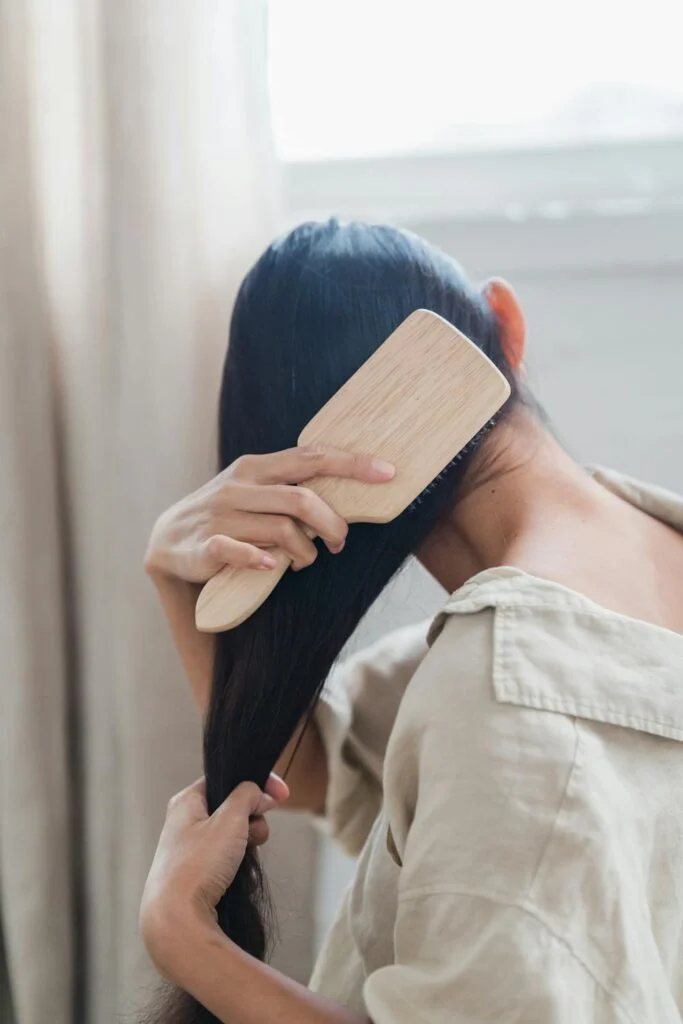
If you’re a new mother, this guide offers practical ways to manage postpartum hair loss, care for your scalp and strands, and protect your confidence as your body finds balance again. With patience, gentle care, and the right habits, you can get through this temporary stage feeling more like yourself.
Acknowledge That It Is Temporary
Most women experience postpartum hair loss, and for the vast majority, it’s not permanent. Shedding generally begins a few months postpartum, peaks around four to six months, and should return to normal by your little one’s first birthday. Understanding this timeline can help you manage your expectations well.
Also, learn to reframe your perspective. Instead of seeing postpartum as something negative, view it as a normal part of your body’s healing process. Your body is simply re-balancing itself after the immense changes of pregnancy.
Focus on Your Overall Well-Being
Self-care during this time is not a luxury; it’s non-negotiable for your overall well-being. Learn ways to manage your stress, as it can worsen hair loss. Even short relaxation techniques, such as deep breathing or a 10-minute walk, can help lower your cortisol levels.
Since the lack of sleep can intensify hair shedding, make it a point to rest whenever possible. Strive to sleep when the baby sleeps, and accept help with night feedings if you can. In addition, remember to stay connected with trusted loved ones, as feeling isolated can amplify distress.
Modify Your Hair Care Routine
While you can’t stop the hormonal shifts, being gentle with your hair can prevent additional damage. Make sure to use a mild, volumizing shampoo and conditioner to add body without stripping your hair.
Give your hair a break from the harsh heat of blow-dryers, curling irons, and straighteners, as they can weaken already fragile hair. Consider getting a new hairstyle, as a shorter haircut can make your hair appear fuller and is more manageable, especially when you’re short on time.
Talk to your hairstylist, or if you don’t have one yet, find a competent professional in your area. For Colorado residents, read online reviews discussing the best hairstylist in Denver or ask referrals from friends, family, and trusted neighbors.

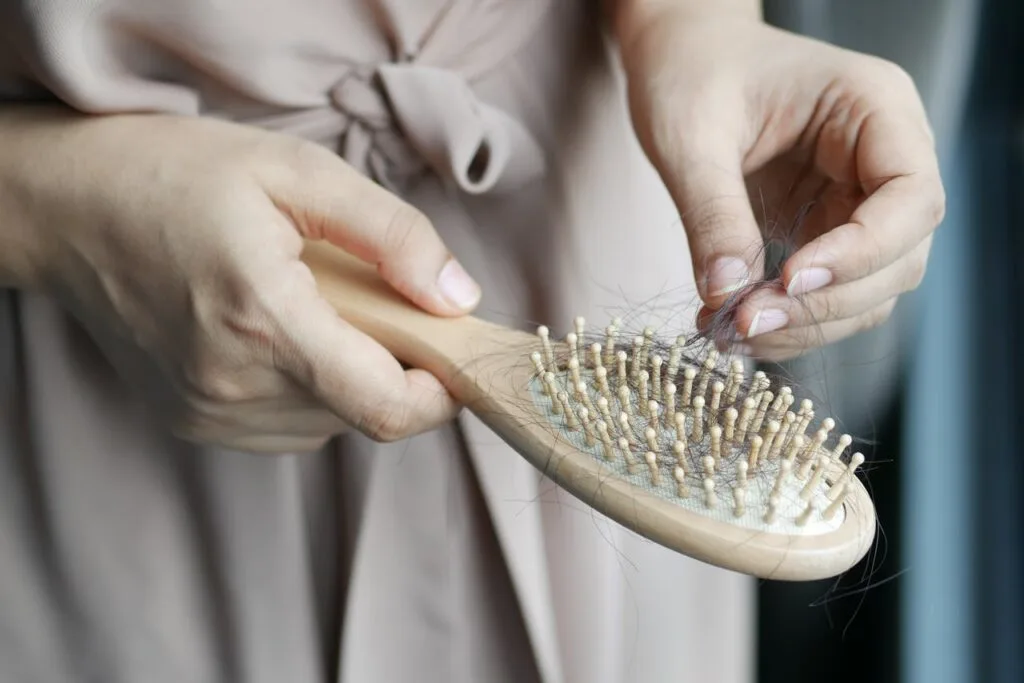
Nourish Your Body
Your hair needs nutrients to grow back healthy and strong. Prioritize nutrient-dense foods, including iron-rich greens, nuts, healthy fats like omega-3s, and lean proteins. Consult with your doctor on continuing your prenatal vitamins, especially if you’re breastfeeding.
This can help ensure you maintain the levels of iron, zinc, and vitamin D needed for healthy hair regrowth. Stay hydrated, as drinking plenty of water is vital for overall health, including the health of your scalp.
Seek Professional Support
If your hair loss is causing you significant emotional distress, or if it doesn’t resolve by your child’s first birthday, it’s best to consult a professional. Your healthcare provider can identify other underlying issues and provide expert guidance.
Endnote
While preventing postpartum hair loss is impossible, you can manage this condition with gentle hair care, proper nutrition, and a positive mindset. Remember that this is just a phase, and your focus should be on caring for your baby and yourself.