
This post may contain affiliate links. I only recommend products I use and love. Read the full disclosure here
Updated on: March 12, 2025
Originally published on: March 12, 2025
Most family members of people with disabilities go through a process that makes them think about what actions to take to best support their loved ones. Especially when dealing with older parents with limited mobility.

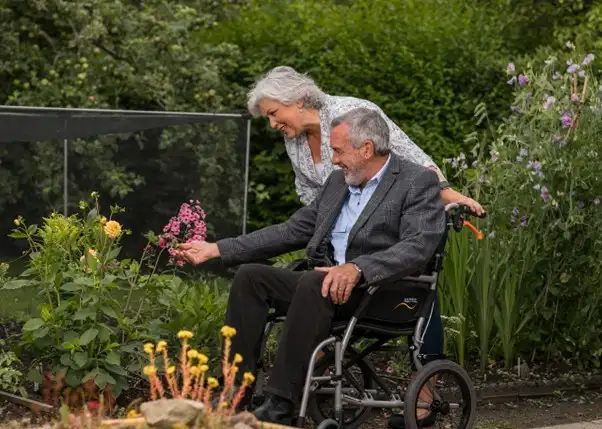
For older adults, the need for support and guidance is evident because they must deal with aspects that they were likely to ignore before talking about the presence of the disability. These include the lack of knowledge of the disability itself and how to adjust the care protocol in this case.
Here are some tips on how to care for older parents with limited mobility to provide maximum comfort in their home.
Pay Attention to Parents’ Needs
As in many other scenarios, having a family member with a disability nearby requires more attention. In this case, we advise you to focus on making their life easier and being attentive to their requests.
If the house does not have the necessary accessories or tools for moving around, it is recommended to keep an eye on them. Some practices can be: leaving frequently used objects within reach and having an intercom communication system.
Make the Right Choices
Here, we are referring to a wheelchair or any other mobility device that provides older parents with independence and a better quality of life. There are different types of medical aids, including walkers, wheelchairs, and mobility scooters, and each of them comes with some pros and cons.
Whether you choose a chair that can be adjusted for height or even reclined, or a super portable mobility scooter perfect for traveling, the choice of a chair should be made with the help of the person who will be sitting in it. Test different models before buying one. Find out what features these models boast, which ones would serve your parent well, and which ones they don’t need at all.
Adapt the Environment
As we have already mentioned, when caring for older parents with limited mobility, we must be attentive to them. One of the things we can do to make them feel freer is to adapt the environment to them. This may involve installing a ramp or home elevators so that they can be easily transported.
The home should include wider door openings for wheelchair or walker access. The bathroom and hallways must have grab bars as well as slip-resistant floors to minimize accident risks. Safe pathways through the home become possible when you rearrange furniture and lower storage spaces. The lighting situation should receive attention because well-lit staircases with hallways and other areas help create better visibility, which improves safety.
Constant Availability
Availability towards your family member with reduced mobility must be constant. In this case, get an intercom or an extra mobile phone in order to ensure flawless communication from any corner of your house.
For some elderly people, having reduced mobility will create a conflict in their minds, as they will want to do things on their own, but getting a helping hand from a family member will always be a plus. For those who need help with senior care, you can hire a nurse for a couple of hours a day who will help you deal with feeding, bathing, taking meds, transportation, and others.
Make Them Feel Comfortable
At this point, we are emphasizing seniors’ emotional well-being. Giving them tasks that they can do or making them feel useful is a top-notch way to support elderly parents. It is not only about the tools we can give them but also about including them in chores like other family members. You can ask for a little help, like packing/unpacking bags, cutting veggies, or something else that you know they are capable of doing.
When routines include personal choices and physical capabilities of the person, they develop both purposefulness and a sense of belonging. Make space for hobbies that bring them joy by providing suitable tools such as reading materials or knitting tools.
Spend meaningful time together while talking to them and schedule family and friend gatherings to help prevent their feelings of isolation. Through caring for their emotional and social requirements, you enable senior parents to preserve a favorable perspective and satisfaction in their everyday existence.
Conclusion
Without a doubt, caring for an older parent with limited mobility represents solid challenges, but technology is always on our side to provide senior adults with a better life.
It doesn’t matter if you choose a home elevator, a suitable wheelchair, or access ramps, or if you include them in daily chores, the most important thing will be to make them know they are still a loved family member.