
This post may contain affiliate links. I only recommend products I use and love. Read the full disclosure here
Updated on: August 7, 2025
Originally published on: August 7, 2025
Living with bipolar disorder means navigating dramatic shifts in mood, energy, and activity levels that can deeply impact day-to-day life. It’s not just about the highs of mania and the lows of depression—it’s a complex condition that touches every aspect of a person’s emotional, psychological, and social well-being. Gaining a better understanding of bipolar disorder can help individuals, families, and friends offer meaningful support and build a more compassionate, informed community.

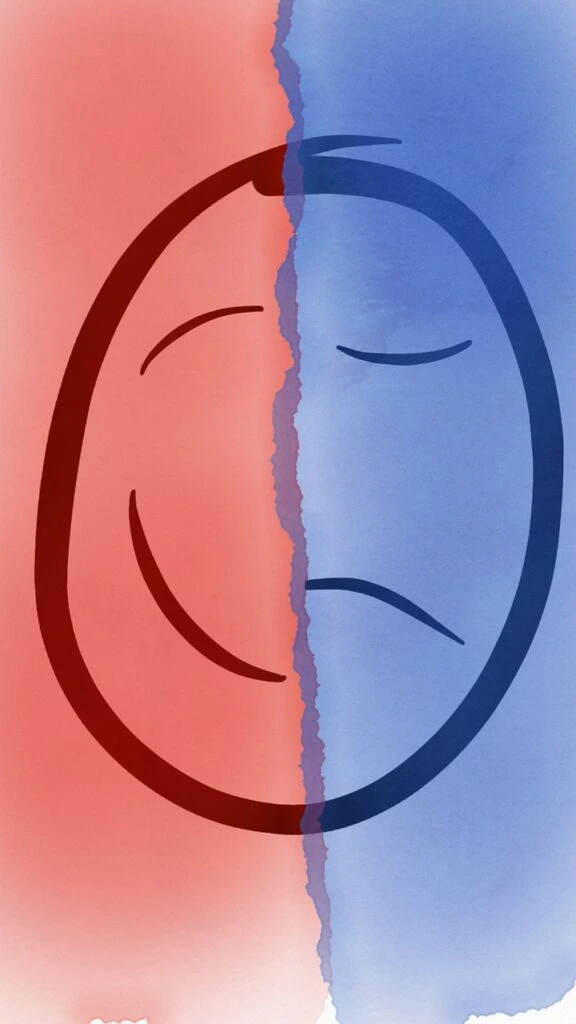
Defining Bipolar Disorder
Bipolar disorder, previously known as manic-depressive illness, has multiple forms, including Bipolar I, Bipolar II, and Cyclothymic Disorder. Each type varies in severity and duration of mood episodes. Those diagnosed with Bipolar I experience severe manic episodes, often requiring hospitalization, while individuals with Bipolar II endure less intense high periods, known as hypomania, alongside major depressive episodes.
Understanding these distinctions is imperative for appropriate management. The National Institute of Mental Health estimates that bipolar disorder affects approximately 2.8% of adults in the United States. Such prevalence underscores the need for comprehensive education and accessible resources.
The Importance of Support
Having a robust support system is vital for anyone with bipolar disorder. Friends and family play a pivotal role in recognizing symptoms, encouraging treatment adherence, and providing emotional stability.
Education about the disorder allows those close to the individual to respond with empathy rather than confusion or frustration. Reach out to resources such as a free 24/7 bipolar hotline, which can offer immediate guidance and support to both those who suffer from the disorder and their loved ones. Knowing there’s proactive help available can alleviate some of the isolation that often accompanies mental health challenges.
Regular check-ins, even simple texts or phone calls, can make a meaningful difference during periods of instability. Support groups, both online and in person, provide a safe space to share experiences and coping strategies. Employers and schools can contribute by fostering a more inclusive environment with flexible accommodations. Encouragement to follow through with medication and therapy plans is often more successful when reinforced by trusted individuals. Consistent support can improve treatment outcomes and foster a greater sense of hope and resilience.
The Emotional Rollercoaster of Bipolar Disorder
Living with bipolar disorder can resemble a tumultuous emotional journey, where one’s feelings can shift rapidly from exhilaration to despair. These mood changes can impact daily functioning, relationships, and decision-making.
The manic phases often bring heightened creativity and ambition, leading to productivity surges; yet, they can result in impulsive behavior that disrupts personal and professional relationships. During depressive episodes, individuals may grapple with feelings of hopelessness, fatigue, and a loss of interest in activities they once loved.
This debilitating reality can lead to a cycle of despair that affects the individual and their loved ones. Support from friends and family becomes important, and engaging with professional help can make a significant difference.
Identifying Triggers
People with bipolar disorder can benefit significantly from understanding their mood triggers. Identifying these can prevent episodes or at least mitigate their intensity. Triggers might include significant life changes, stress, sleep disruptions, or substance use.
Working with mental health professionals can help develop strategies to manage and anticipate these triggers. For some individuals, maintaining a mood diary to track fluctuations and potential triggers proves beneficial in recognizing patterns.
Even small lifestyle adjustments, like keeping a consistent sleep schedule or limiting caffeine, can make a noticeable difference in mood stability. Recognizing early warning signs, such as racing thoughts or sudden shifts in energy levels, allows for quicker intervention. Loved ones can be instrumental in spotting changes that the person may not immediately recognize. Building self-awareness and having a personalized plan in place can lead to a more consistent and manageable daily life.
Treatment Options for Bipolar Disorder
Managing bipolar disorder typically involves a combination of medication, therapy, and lifestyle adjustments. Mood stabilizers such as lithium and anticonvulsants represent primary treatments, and mood-stabilizing medications may help diminish the frequency and severity of mood swings.
Therapeutic approaches like Cognitive Behavioral Therapy (CBT) can empower individuals to reframe negative thoughts and develop effective coping strategies. Regular therapy sessions can create a sense of accountability and foster a collaborative approach to managing one’s symptoms.
Lifestyle changes such as maintaining a consistent sleep schedule, engaging in regular physical activity, and practicing mindfulness or yoga can play key roles in stabilizing mood. Support groups that connect individuals facing similar challenges create a community of understanding and shared experiences.
The Impact on Relationships
Bipolar disorder can strain relationships due to the unpredictability of moods and behaviors. Loved ones might struggle to understand the person’s experience, leading to frustration, withdrawal, or miscommunication. Families may benefit from therapy as a group to enhance communication practices and establish healthier dynamics.
Building open lines of communication allows all parties to express feelings and experiences related to bipolar disorder. Partners of individuals with this condition should proactively educate themselves, advocating for patience and empathy to navigate difficult days further.
Consistency and setting clear boundaries can help manage expectations and prevent emotional burnout. Emotional support is most effective when both parties feel safe discussing challenges without fear of judgment.
Support groups for family members or partners can be instrumental in sharing experiences and learning practical coping tools. Recognizing that bipolar disorder affects everyone in a relationship, not just the individual diagnosed, can encourage a more collaborative and compassionate approach. Nurturing trust and understanding is key to maintaining strong and healthy bonds.


Living Well with Bipolar Disorder
Many individuals with a bipolar diagnosis lead fulfilling and productive lives. Adopting a proactive approach toward mental health is imperative. Consistent therapy, medication adherence, and robust support networks create pathways to increase stability.
Continuing education about the condition and participating in mental health literacy programs are fruitful strategies. The journey involves recognizing that difficulties might arise, but that support and effective management strategies can yield a balanced lifestyle. Creating routines to manage stress and emotion can improve resilience to life’s challenges.
Engaging in regular physical activity, maintaining a healthy sleep schedule, and practicing mindfulness techniques can contribute to emotional balance. Setting realistic goals and celebrating progress helps reinforce a sense of achievement and motivation. Social engagement, whether through hobbies, volunteering, or peer groups, can foster a sense of purpose. Staying in regular contact with healthcare providers ensures early intervention when needed.
Having a thoughtful comprehension of bipolar disorder allows individuals and communities to champion compassion and support those affected. The complexities of mental health require ongoing dialogue and understanding, emphasizing proactive measures to encourage healing and live a satisfying life.